
A cluster of sickness has hit Delta 1 in Greater Noida, where more than thirty people got sick overnight. Officials are pointing fingers at dirty tap water as the likely cause. Unease is spreading through the neighborhood while officials scramble to test samples. What started as scattered complaints turned into a full-blown alert by midweek. Water tankers arrived late Tuesday near housing blocks amid growing frustration. Some families now rely on bottled supplies until results come back clear.
The issue was first reported by moneycontrol, which said residents complained of stomach pain, vomiting, diarrhoea, and fever after consuming tap water supplied to their homes.
Residents Report Discoloured, Foul-Smelling Water
Folks told media reporters the liquid coming out of taps looked murky and carried a bad odor. Soon after drinking it, people started feeling unwell.
Folks living nearby say old pipes could let waste seep into tap water. Media reports on this appeared, drawing from words of those hit hard and community advocates.
Medical Camps Set Up, Patients Stable
After people spoke up, a temporary clinic opened close to the Dankaur Primary Health Centre. Some of those unwell were checked by physicians there. Most showed signs of minor stomach issues. Treatment began on site for these patients.
Fewer injuries than expected, according to media reports. Doctors noted everyone’s condition remains steady, though close watch still matters to avoid worsening situations.
GNIDA Responds, Denies Major Contamination
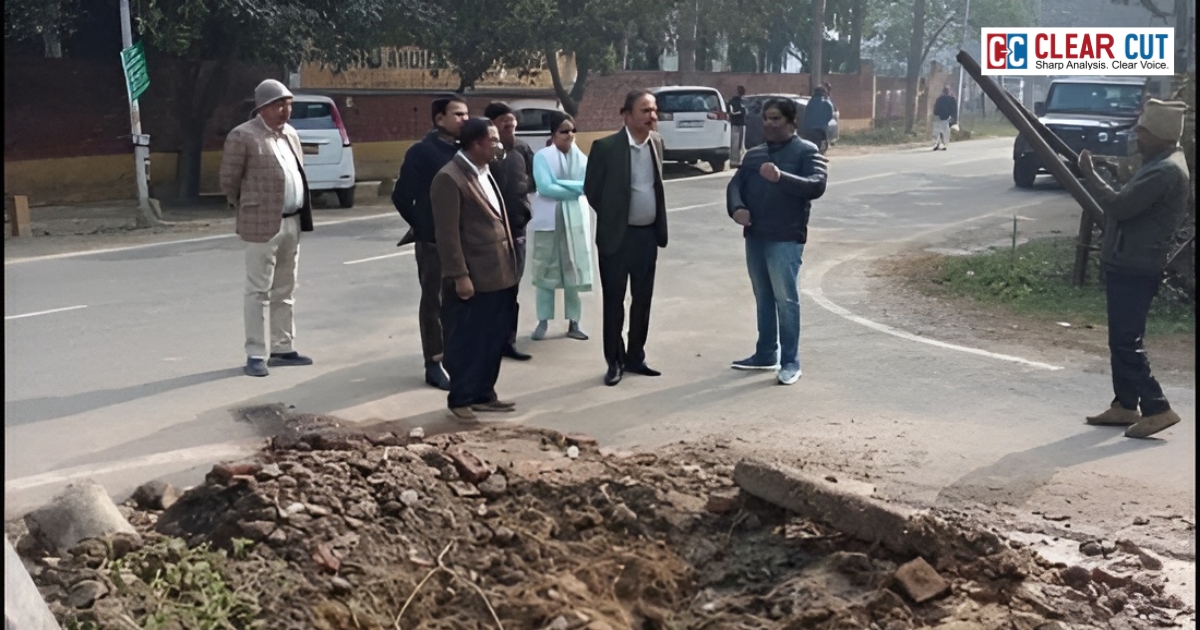
The Greater Noida Industrial Development Authority (GNIDA) inspected the water supply lines after receiving multiple complaints.
According to official statements cited by many media reports, a leak in one of the pipelines was repaired. Water samples were collected and sent for laboratory testing. GNIDA denied any confirmed large-scale sewage contamination but ordered additional testing as a precaution.
Incident Follows Similar Crises Across India
The Greater Noida episode comes close on the heels of severe water contamination incidents in other Indian cities.
In Indore, a major outbreak linked to sewage-mixed drinking water was reported by The Indian Express, prompting administrative action and public outrage.
Water-borne disease cases in Gandhinagar were covered by The Times of India, which highlighted corroded pipelines and infrastructure gaps.
Meanwhile, long-term risks linked to urban water systems have been highlighted by The Hindu, which has published investigative reports on contamination caused by leaking pipelines and weak monitoring.
Experts Warn of Systemic Urban Risks
Public health experts quoted in The Hindu warn that ageing pipelines, low water pressure, and close proximity between sewage and drinking water lines pose serious health risks in expanding urban regions.
Global safety benchmarks outlined by the World Health Organization state that even short-term exposure to contaminated water can trigger outbreaks of water-borne diseases if not addressed promptly.
What Authorities Are Doing Next
As stated by officials quoted in media reports, GNIDA has promised to release final water test reports soon and conduct random water quality testing across neighbouring sectors.
Residents have been advised to boil drinking water and immediately report any change in colour, smell or taste.
A Larger Urban Challenge
The Greater Noida incident once again highlights the growing challenge of maintaining water safety in rapidly urbanising Indian cities. Experts warn that without sustained infrastructure upgrades and routine monitoring, such incidents may become more frequent.
Clear Cut Health Desk
New Delhi, UPDATED: Jan 09, 2026 05:00 IST
Written By: Ayushman Meena