
Clear Cut Magazine

Support Clear Cut—the only magazine focused solely on social issues—to keep independent, data-driven journalism alive.

Support Clear Cut—the only magazine focused solely on social issues—to keep independent, data-driven journalism alive.

The Supreme Court Said Protecting the Environment Is a Fundamental Duty. Corporate India Filed a CSR Report Instead.

India’s corporate environmental responsibility debate is shifting from voluntary CSR to a constitutional duty under Articles 21 and 51A(g), backed by decades of Supreme Court rulings. The real challenge now is whether regulators and companies will move beyond symbolic green projects toward measurable environmental accountability. There’s a constitutional argument about corporate environmental responsibility in India…

Read More

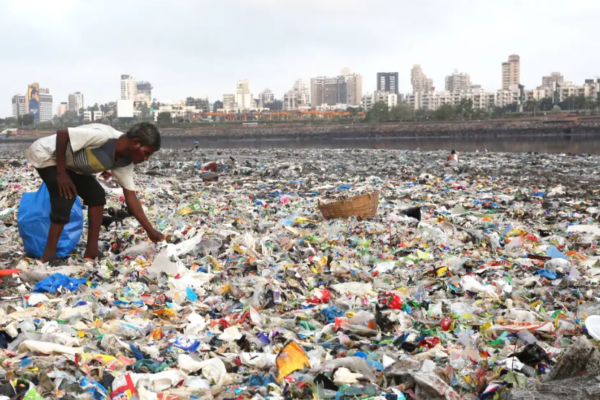
The Plastic Treaty Is Failing in Real Time. The Industry Wrote That Into the Negotiating Text.

The global plastics treaty is at risk of becoming a waste management agreement that ignores the root cause: rising plastic production. Without binding caps, pollution will continue to grow despite improved recycling efforts. What Was Promised and What Is Happening In March 2022, the UN Environment Assembly in Nairobi agreed to negotiate a legally binding…

Read More

The Monsoon Might Not Come On Time. Forty Percent of India’s Farmers Are Already Managing Last Year’s Debt.

India’s 2026 monsoon is expected to be below normal at 94%, raising concerns about uneven rainfall and stress on rainfed agriculture. With El Niño and rising farmer debt, a weak monsoon could deepen India’s agrarian crisis if early support isn’t mobilized. Skymet Weather, a leading private meteorological agency in India, expects the 2026 Southwest Monsoon…

Read More

19 of the World’s 20 Hottest Cities Are in India Right Now. Is It the New Normal?

India’s extreme 2026 heatwave is exposing deep gaps in policy, leaving outdoor workers and vulnerable communities without protection. Despite warnings and emergency steps, long-term solutions and worker-focused measures remain missing. The Numbers This Week Right now, India is feeling the full force of an unprecedented heatwave. Money control reported on April 22, 2026, that 19…

Read More

Turning Waste into Watts: The Waste Revolution India Needs

The content highlights how converting organic waste into biogas can address both waste management and energy needs in India. It emphasizes environmental benefits, economic opportunities, and government initiatives supporting sustainable fuel alternatives. Countries all over the world are looking for new, clean, and long-lasting sources of energy because of the rising cost of fuels, pollution,…

Read More

The Ken-Betwa Project and the Illusion of Voluntary Tribal Displacement: Development at What Cost?

The Ken-Betwa Link Project promises water security for millions but is displacing thousands of tribal families in Chhatarpur with inadequate compensation and weak rehabilitation. The protests, including the Chita Andolan, highlight serious concerns about rights, environmental justice, and the true meaning of “voluntary” relocation. An Analysis of Rights, Rehabilitation, and Reality in Chhatarpur In April…

Read More

The Last Glacier in the Tropics Is Almost Gone: To The Ice That Is Leaving

Tropical glaciers are vanishing at unprecedented rates, threatening water systems and livelihoods across vulnerable regions. The crisis highlights a deep imbalance between responsibility and impact in climate change. The Quelccaya ice cap in Peru, the world’s largest tropical glacier is melting at a pace that glaciologists say has no precedent in at least the last…

Read More

Someone Else’s Smoke, Someone Else’s Sea

Rising ocean temperatures are bleaching coral reefs and pushing fish stocks away, threatening food security for billions—especially in vulnerable coastal communities. Despite the scale of the crisis, funding and policy responses remain far too limited to address the growing climate-driven inequality. The Measurement and What It Means The Copernicus Climate Change Service, backed by the…

Read More

India Sees Extreme Weather 255 Days a Year. Corporate CSR Funds Arrive After The Flood

India’s CSR spending still prioritizes post-disaster relief over pre-disaster resilience, even though proactive investments save more lives and livelihoods. To address rising climate risks, corporate strategy must shift toward long-term, risk-based resilience planning rather than reactive aid. Introduction Geeta Devi lives in Darbhanga, Bihar. In the monsoon of 2025, the Baghmati river rose for the…

Read More