Artificial Intelligence (AI) is transforming rural India by improving governance, farming, education, and healthcare, making services more accessible, efficient, and inclusive.
In India, artificial intelligence has evolved beyond being a distant or city-centric technology. In countryside areas, it is slowly becoming integrated into everyday life. What started as talks about rules and trying things is now becoming real actions. Artificial Intelligence is being seen as something that helps make things fair for everyone than making things worse for some people. This is happening in areas, such as the services the government provides, schools, farming and local leadership. The government thinks Artificial Intelligence is something that everyone should be able to use so they are trying to make sure people, in areas can get to it because these areas have not had good services for a long time.
India’s AI vision is built on a people-centric growth approach. The aim is to assist individuals who are on the front lines, not to substitute for human work. People are using resources to help local authorities and teachers and agricultural producers and healthcare workers make better choices. This is really important in areas where they do not have a lot of infrastructure and workers. In these places they are using intelligence to get things done faster and to make sure people get the help they need when they need it.
This way of doing things shows that people are starting to see technology as a tool to help people, not just something to have.
There have been talks about this at the national level, like the India-AI Impact Summit and that is really showing which way things are going. The emphasis was on broadening AI applications throughout various sectors and moving past mere experimentation. AI applications are presently being integrated into governance, education, skills training, healthcare, and agriculture via initiatives under the India AI Mission and Digital India. The aim is to ensure that rural India engages in the shift towards digital systems instead of being overlooked.
A strong policy foundation supports this initiative. Indias National Strategy for Artificial Intelligence sees Artificial Intelligence as a way to deal with the problems that India is facing. Artificial Intelligence can make essential services better more available and cheaper. The rural areas of India are a worry because the government healthcare and education are not doing well in these areas. The plan says that Artificial Intelligence should help people, in these communities not take their jobs so that everyone benefits from new technology and Artificial Intelligence.
There is a strong focus on responsible usage along with growth. The government ministry in charge of technology set up rules to make sure everything is fair, open and equal. These rules consider that rural areas are different with varying levels of administration, education and languages. As a result AI systems are being built to fit conditions and avoid problems like unfairness and bias. The use of AI in government institutions is growing,. It is very important to focus on ethics and safeguards.
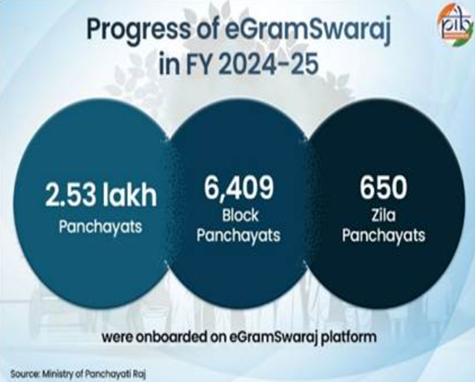
The effect of AI, on village governance is very clear. Recordings of Gram Sabha meetings are automatically generated using tools like Sabha Saar. This enhances precision and reduces documentation. When combined with language platforms such as BHASHINI, these tools enable individuals to engage in governmental procedures in their native languages. At the community level, this enhances clarity and participation.
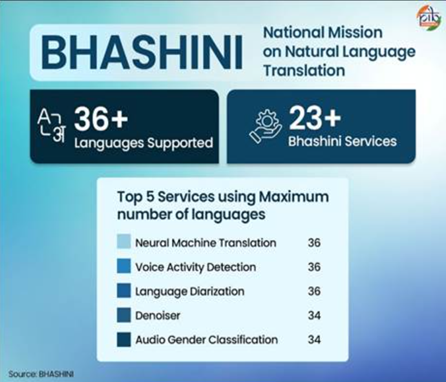
Other digital platforms of the e-Panchayat Mission are also evolving. Panchayats can plan, monitor, and manage resources more effectively through the use of applications such as eGramSwaraj and Gram Manchitra. Local authorities can address community needs more efficiently due to AI-powered tools that enhance data use and decision-making.
AI is also affecting rural livelihoods, especially in farming. With decision-support systems, farmers can receive prompt information regarding weather, pests, and crops. Kisan e-Mitra along with other virtual assistants provides guidance on government services and programs. These instruments enhance output and financial stability by reducing uncertainty and helping farmers develop better strategies.
An essential basis is education and expertise. Education is getting easier to access because of platforms that use Artificial Intelligence for people who live in far away places. Programs like YUVAI want to help young people get ready for jobs by teaching them Artificial Intelligence skills when they are still young. Also, language technology makes sure that people can learn even if they are not good at speaking English.
Overall Artificial Intelligence is being used more and more in India, which shows that people are starting to think about development in a different way. India is making a way of developing the country by combining technology rules to keep people safe goals for policies and what the community needs. The big test will be to make sure that technology helps people in areas and gives them the power to make their own decisions about their lives. Artificial Intelligence should be a tool that helps people and people in areas should be able to use it to control their own futures and make their own choices, about what they want to do with Artificial Intelligence.
References
- Artificial Intelligence (AI) Transforming Rural India -Press Information Bureau, Government of India, 23 Feb 2026. https://www.pib.gov.in/PressReleasePage.aspx?PRID=2231706&utm_source=chatgpt.com
Clear Cut Livelihood, Research Desk
New Delhi, UPDATED: Feb 25, 2026 01:25 IST
Written By: Ruchira Das