India’s 2026 Census, after a 15-year gap, will count 1.4 billion people and include caste data for the first time since 1931, sparking a major debate on social equity and political implications. It is expected to shape welfare policies, representation, and data-driven governance for the next decade.
After a 15-year gap, India launches its most consequential population count. The inclusion of caste enumeration has reignited a debate going to the heart of Indian democracy.
April 2026 | Demography & Social Policy
Taggings: Indian Census 2026, Caste Enumeration, Demographic Policy, Social Equity, OBC Data, Scheduled Castes, Scheduled Tribes, Nomadic Tribes, Welfare Policy, Data Governance, Data and Democracy, Social Visibility, Policy Design, Historical Exclusion, Identity and the State, Digital Welfare
A Census After Fifteen Years
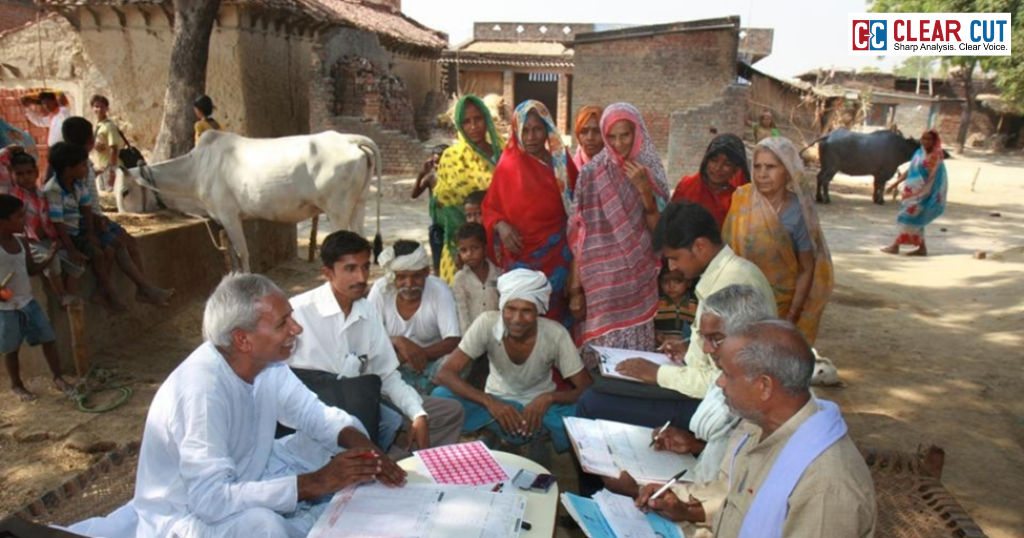
India has started its first census in fifteen years. This delay was due to the COVID-19 pandemic and later administrative postponements. It marks the longest gap between censuses in the country since independence. The scale is enormous: 1.4 billion people will be counted in two phases across the world’s most demographically complex nation. However, the inclusion of caste data in this census has transformed a standard government procedure into a highly political issue.
The Registrar General and Census Commissioner confirmed that Phase One, the House Listing and Housing Census, began in early April 2026 and will continue through September. This phase collects basic information, such as the number of people per household, ownership status, and access to amenities like fuel, water, electricity, internet, and transportation. Phase Two, which will take place in February 2027, is focused on population counting. This phase will gather socioeconomic data, education levels, migration patterns, and fertility rates. It is here that caste information will be collected.
Why Caste Data Matters
Caste data has not been collected since 1931, during British rule. After independence, the government stopped the caste census in 1951, citing concerns about reinforcing social divisions. Since then, limited data on Scheduled Castes and Scheduled Tribes has been gathered through the National Sample Survey. However, comprehensive information on the many intermediate castes, including Other Backward Classes, has been missing from official statistics for more than ninety years.
A Divided Debate
The need to fill this data gap has important implications. Several states, like Bihar and Telangana, have conducted their own caste censuses in recent years. These studies have exposed levels of economic and social disadvantage among backward communities that went largely unmeasured at the national level. Advocates for caste enumeration assert that without reliable data, targeted welfare policies are impossible. They argue that policymakers are essentially operating without a clear direction when creating reservations, scholarships, and social protection programs. Development economists argue that to understand the extent of caste discrimination today, the census should include detailed questions on this issue.
Opposition to this effort comes from various quarters. The ruling Bharatiya Janata Party has historically been wary of caste enumeration, believing it may deepen social identities rather than help them evolve. Others are concerned about how the data will be used, especially given the government’s stated plan to implement a National Register of Citizens. This has raised alarms among minority communities about potential exclusion and surveillance.
The Challenge of Representation
The questions themselves are a matter of debate. Critics contend that applying a standard set of questions uniformly across all caste groups will not accurately reflect the unique experiences of discrimination each group faces. They suggest that issues like untouchability, economic exclusion from property and business, and access to social networks should be broken down by community, rather than treated as general demographics.
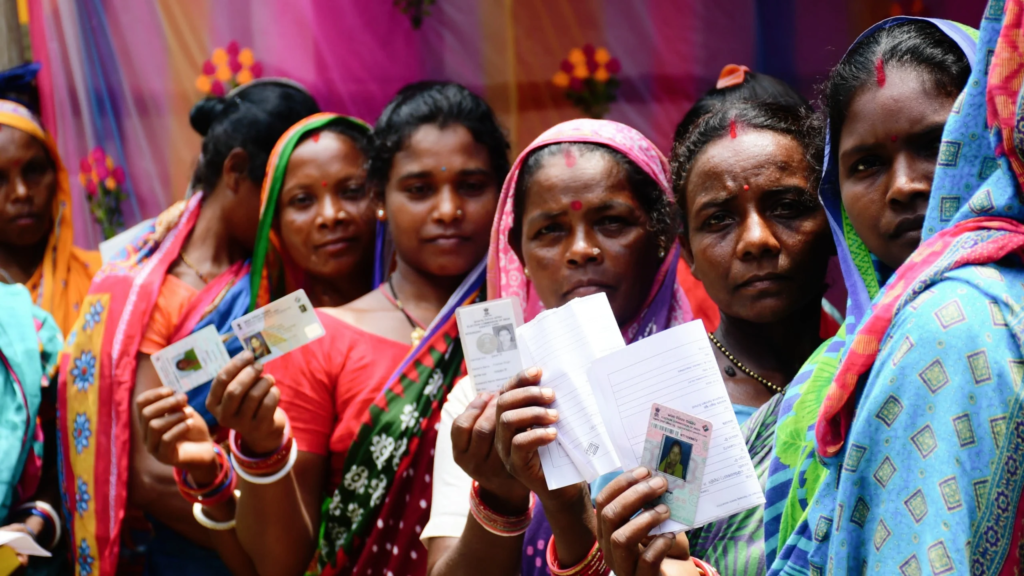
For indigenous tribes and nomadic communities, which often do not fall into the categories of Scheduled Castes, Scheduled Tribes, or Other Backward Classes, the census poses another risk: continued invisibility. Many of these groups lack the documents needed to be counted, and their exclusion from official data historically means they miss out on state support.
The census is set to be completed by March 31, 2027. Once finished, it will provide the foundational dataset for India’s social and economic policies for the coming decade. What it measures, and what it decides to leave out will determine not just who receives benefits, but also who the Indian state formally acknowledges as existing within its boundaries.
References
https://www.bbc.com/news/articles/c7vqnpqrgy3o
Clear Cut Gender, Research Desk
New Delhi, UPDATED: April 07, 2026 05:15 IST
Written By: Tanmay J Urs