

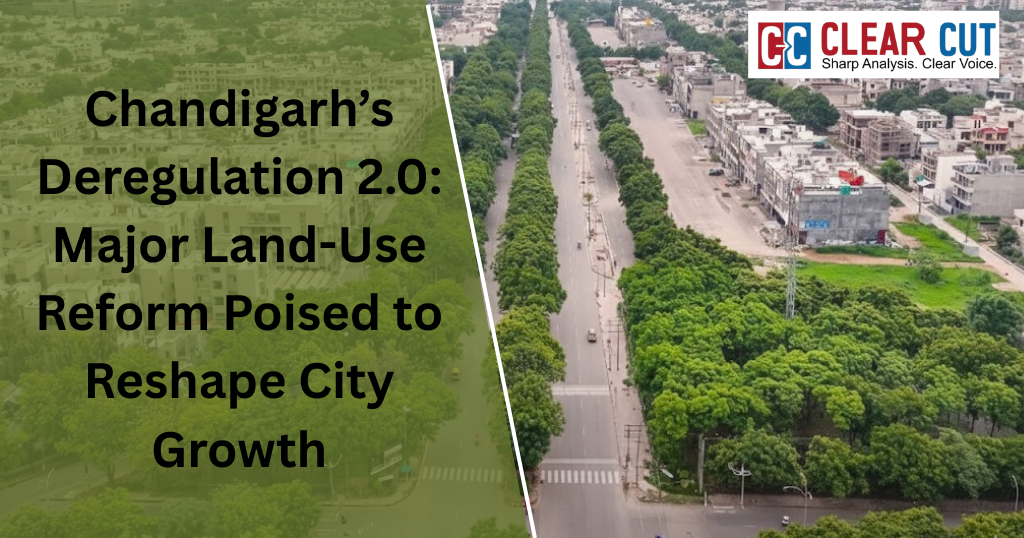
The Chandigarh administration is implementing Deregulation 2.0 to replace rigid zoning rules with a “permitted until prohibited” approach, aiming to unlock land, reduce red tape, and support mixed-use development. Reforms target industrial productivity, educational infrastructure, and creation of a land bank, while emphasizing flexibility, investment attraction, and sustainable urban planning.
The Chandigarh administration is advancing a sweeping overhaul of the city’s land-use framework under an initiative called “Deregulation 2.0.” This reform package aims to replace rigid planning rules with a more flexible, demand-driven approach. Officials say the changes will unlock land for more productive use, reduce red tape, and support mixed-use development across residential, commercial and industrial zones.
Urban planners say these reforms could be the most significant land-use changes in Chandigarh in decades. The move is part of a broader trend of regulatory reform supported by the Centre, which has identified land and infrastructure regulation as a priority in its Deregulation 2.0 agenda.
From Rigid Zoning to “Permitted Until Prohibited”
At the core of the reforms is a shift away from traditional zoning. Currently, land use in Chandigarh is tightly defined activities are allowed only if listed in planning regulations. Under the proposed framework, most uses would be allowed by default unless explicitly restricted on a negative list. Officials describe this as a “permitted until prohibited” model.
A senior UT official told media reporters that this model would make planning more responsive to market demand and reduce delays in obtaining approvals. The change will require updates to both Chandigarh’s master plan and its building bylaws.
The move mirrors national priorities under the broader Deregulation 2.0 initiative led by the Cabinet Secretariat, which identifies land-use regulation reform among key areas to reduce compliance burdens.

Expert Committee to Lead Review
To steer the process, the administration has constituted an expert committee led by the Deputy Commissioner cum Estate Officer of Chandigarh. The committee is reviewing existing permissions and restrictions across zones. It will recommend which activities should remain restricted and which can be liberalised.
The Estate Office in Chandigarh, which manages land allotment and compliance, will be a key stakeholder in implementing many of these changes.
Industrial Land Policy and Flexibility
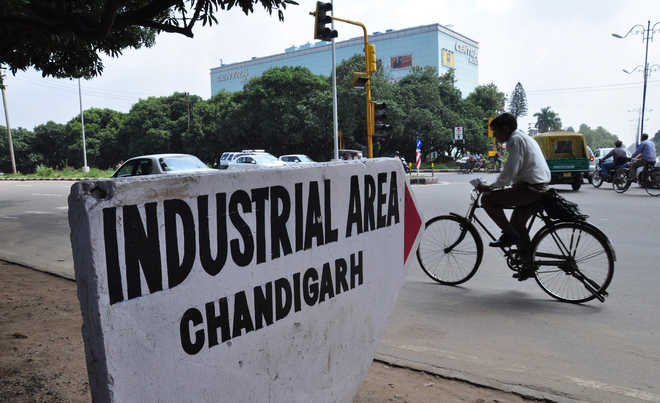
In industrial areas, authorities plan to reassess plot allotment norms and ease restrictions on land use to boost productivity. This comes as part of ongoing reform efforts to make Chandigarh attractive for business and industry.
Recent reports note that Chandigarh’s industrial zones have long faced limitations due to low floor area ratio (FAR) and outdated building controls compared with neighbouring hubs like Mohali and Panchkula. Adjustments to FAR and other parameters are under consideration to enhance competitiveness.
Education Sector: Less Red Tape, More Space Efficiency
The reform package also proposes major changes for educational institutions. Officials are considering the removal of minimum land and infrastructure requirements for private K-12 schools and universities. Instead of strict mandates, authorities may allow shared access to existing government facilities (like playgrounds and halls) on a pay-per-use basis. Building height, setback and FAR norms could be relaxed to facilitate vertical expansion.
A senior official told journalists that the emphasis will remain on maintaining quality while allowing flexibility in how educational infrastructure is delivered.
Land Bank and Future Growth
Chandigarh faces chronic land scarcity. To address this, the administration plans to create a land bank by mapping degraded forest land and non-forest parcels that could be repurposed responsibly. This effort will be coordinated with portals like Gati Shakti and PARIVESH to improve transparency and planning coherence.
A dedicated Project Management Unit (PMU) will be established to manage this process, including mapping and integration with broader planning tools.
Expectations and Challenges Ahead
Officials say many of the Reform 2.0 measures will be rolled out in phases over the coming months. Advocates believe the changes could ease land bottlenecks, attract investment, and support Chandigarh’s future growth within its limited land footprint.
However, stakeholders also warn that such sweeping deregulation must be coupled with safeguards to ensure orderly development and protect public interests. Urban planning analysts stress that while flexibility can encourage innovation, transparent decision-making and community engagement remain critical to sustainable urban outcomes.
Clear Cut Research Desk
New Delhi, UPDATED: Feb 09, 2026 01:31 IST
Written By: Ayushman Meena