

The European Union has just ruled out an exemption for India from its Carbon Border Adjustment Mechanism-the new climate-linked tariff that will tax carbon-intensive imports coming into the bloc. The news, reported in the Financial Times on 16 November 2025, affects some of the most trade-dependent industries in India, like steel, aluminium, cement and fertilizers. The decision reflects a broader shift in global trade where climate policy has begun to be inseparable from economic policy.
A policy India viewed as being unfair
India has consistently argued that the carbon border tax is discriminatory. Its key point is simple: Europe industrialised early, emitted heavily for over a century, and now asks developing economies to pay penalties while they are still building basic infrastructure. Indian negotiators also say CBAM violates the principle of common but differentiated responsibilities that underpins functional climate conventions. Govt of India had submitted an alternative proposal centred on mutual recognition of climate actions. The EU rejected this proposal, signalling that the mechanism will be applied uniformly to all trading partners.
For India, which exported nearly ten billion dollars worth of steel and aluminum to the EU in 2024, financial implications come with this decision. Beginning with transitional reporting in 2023 and moving to full charges from 2026, Indian firms will have to demonstrate the carbon intensity of every shipment. If their emissions are higher than EU benchmarks, they must make up the difference by paying with carbon certificates.
Economic Exposure for India’s Export Sectors
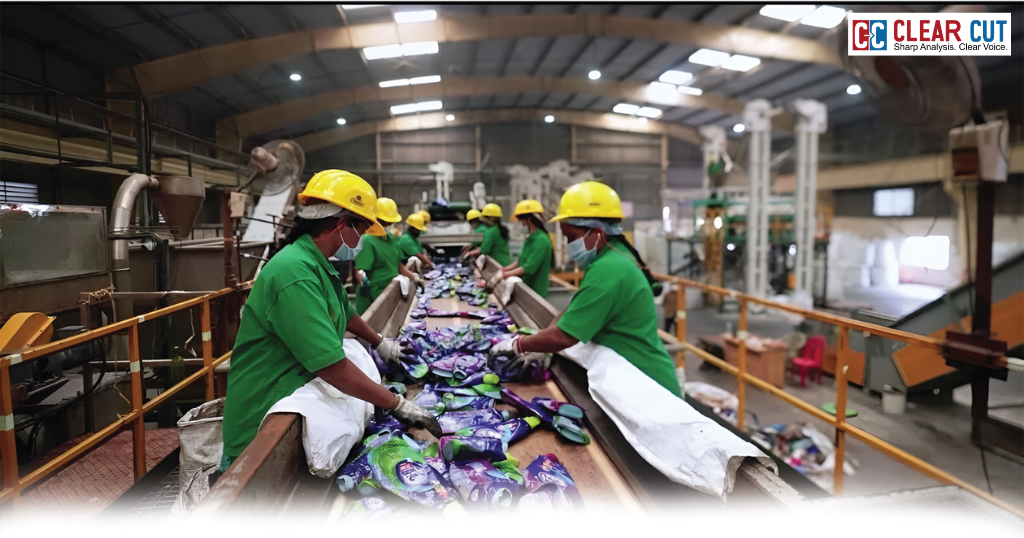
The steel sector in India is estimated to emit over two hundred million tonnes every year alone. Present domestic policy does encourage cleaner production, but the share of green steel remains low. Many foundries depend on coal-based blast furnaces. The cement and fertiliser plants fall in a similar category. These structural features mean that Indian exports may enter the EU at a disadvantage compared with European producers who operate within the EU’s Emissions Trading System.
Industry associations said compliance costs could be high. Companies will have to secure third-party verification, collect emissions data, disclose supply chains and employ special compliance officers. The costs might be beyond the reach of smaller and medium manufacturers. Analysts say Indian companies might divert the products to other markets, or slow down their exports to Europe or transition to cleaner technologies gradually. Each one has its risk for jobs and competitiveness.
Lógica Ambiental Versus Preocupaciones del Desarrollo
From the EU’s perspective, CBAM makes sure European companies that pay for carbon under the trading system cannot be undercut by cheaper imports from countries with weaker climate rules. Europe argues that without a border levy, stricter domestic climate policy would simply push emissions offshore.
India looks at the issue differently. CBAM, according to it, is a bid on the part of the developed world to pass on the responsibility for their past emissions onto others while imposing similar taxes despite development gaps. India is also worried that such measures will then turn up in other markets. Japan and Canada are working on similar policies. Carbon-aligned tariffs have been discussed in the United States as a part of its trade negotiations. Pressure on developing exporters might increase should more economies adopt CBAM-style rules.
How India Might Respond
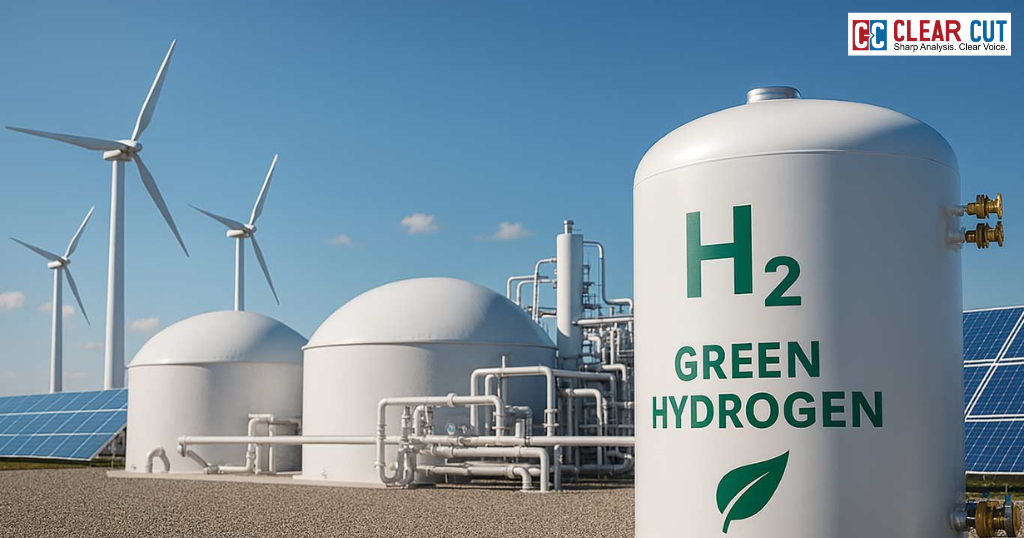
The rejection does not leave India without options. The government can negotiate sector level adjustments, strengthen domestic emissions reporting, and accelerate incentives for green steel and green hydrogen. India already has the Perform Achieve and Trade energy efficiency scheme and an evolving carbon market framework. This may reduce costs in the long run.
India can also tap into sources of climate finance. The European Investment Bank, along with multiple G20 climate finance platforms, has funding windows for decarbonization. Diverting these funds toward heavy industry transition would help buffer the CBAM shock.
Trade representatives may also consider counter-balancing measures via the World Trade Organization. But legal challenges are not certain, as climate justification has grown increasingly powerful in global trade law.
A Shift in the Global Trade Architecture
The decision also sends a broader signal that climate policy is beginning to drive global trade rules. Border taxes are no longer hypothetical; they are becoming a structural feature of international commerce. For India, it means carrying the cost of carbon into export competitiveness. Meeting global climate benchmarks is no more only an environmental requirement but an economic one.
The dispute on CBAM has brought into sharp focus a central dilemma for developing economies: they have to modernize heavy industry at a speed set by external markets rather than purely by domestic capacity. India will therefore need a combined strategy of clean technology investment, targeted diplomatic negotiation, and strong domestic policy alignment.
Clear Cut Climate Desk
New Delhi, UPDATED: Nov 24, 2025 05:52 IST
Written By: Janmojaya Barik