

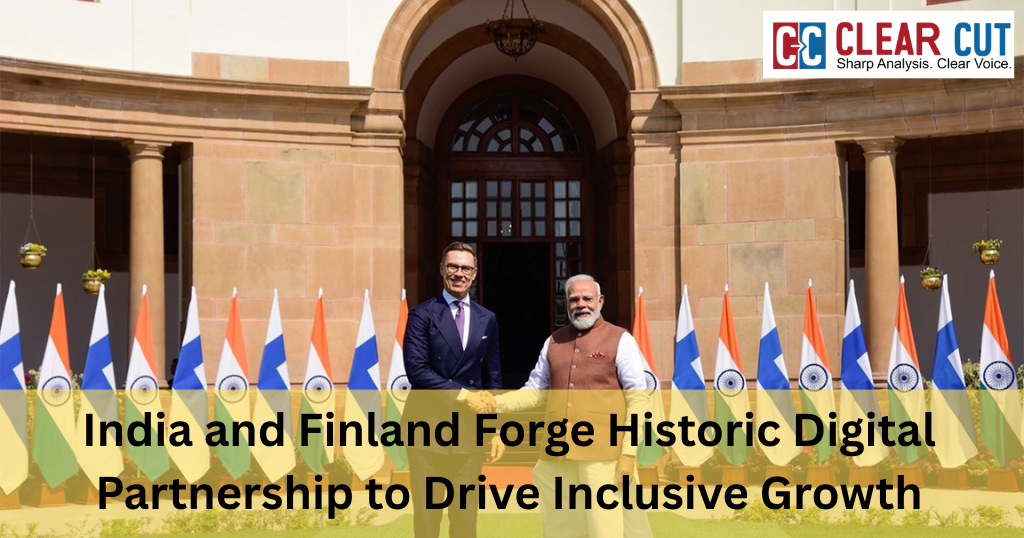
India and Finland have launched a Strategic Partnership in Digitalisation and Sustainability, focusing on AI, 6G, digital public infrastructure, and green energy to boost inclusive growth. Both countries also aim to double bilateral trade by 2030 and strengthen cooperation in technology, innovation, and sustainability.
India and Finland have elevated their bilateral relationship to a “Strategic Partnership in Digitalisation and Sustainability.” The announcement came during Finnish President Alexander Stubb’s four-day State Visit to India from March 4 to 7. It marks one of the most significant upgrades in India-Nordic relations in recent years.
The two nations signed 11 key agreements during the visit. These cover technology, trade, green energy, and human mobility. Both countries also set a shared goal to double their bilateral trade by 2030.
Leaders Speak on a Shared Vision
At a joint press interaction at Hyderabad House in New Delhi, Prime Minister Narendra Modi described the scope of the new partnership in clear terms.
“This partnership will accelerate and energise our cooperation in many high-tech areas, from AI to 6G telecom, from clean energy to quantum computing,” Modi said.
In a lighter moment, Modi referred to President Stubb’s completion of the Ironman Triathlon and said he was confident that India and Finland would achieve a “new triathlon of innovation, digital transformation and sustainability.”
President Stubb, who was also the Chief Guest at the 11th Raisina Dialogue, brought his own vision to the table. Speaking at the dialogue on March 5, he said, “I could not agree more with what Prime Minister Modi said at the AI Impact Summit: AI will only benefit the world when it is shared.”
External Affairs Minister S. Jaishankar welcomed the Finnish President ahead of the bilateral summit. Sharing his thoughts on social media platform X, Jaishankar stated, “Delighted to call on President Alexander Stubb of Finland today morning in Delhi,” adding that he was “Confident that his meeting with PM Modi will further strengthen India-Finland ties.”
Digital Public Infrastructure at the Core
Digitalisation sits at the heart of this partnership. Both leaders view technology as a direct tool for social inclusion.
The official Joint Statement noted that both leaders recognised “the transformative power of digitalization as a key driver of inclusive social and economic development,” identifying 5G, 6G, high-performance computing, quantum computing, and AI as priority areas for collaboration.
India’s homegrown digital infrastructure drew special attention. The leaders noted India’s experience in Digital Public Infrastructure, including digital payments such as the Unified Payments Interface (UPI), and discussed possibilities for cooperation in this area.

PM Modi has spoken about UPI’s broader global relevance before. In a recent interview with ANI, he stated, “Our success with Aadhaar, UPI and other digital public goods was not accidental. It stemmed from a few replicable principles,” adding that India built “digital infrastructure as a public good, not a proprietary platform.”
A Joint Working Group to Drive Action
Both governments are not stopping at declarations. The leaders directed the relevant ministries to establish a cross-sectoral Joint Working Group on Digitalization to define priorities and foster work on concrete and substantial actions driving the digital transition.
President Stubb also highlighted the contributions of Indian professionals working in Finland’s R&D and tech innovation ecosystems, and the MEA statement noted that he “emphasised the positive impact of the considerable number of Indian professionals in the Finnish R&D and tech innovation ecosystems, contributing to social and economic development by means of digital transition and sustainability for the benefit of all.”
The two sides also acknowledged existing academic collaboration. Both leaders welcomed ongoing cooperation between the Bharat 6G Alliance and the University of Oulu in Finland, strengthening bilateral efforts in next-generation telecommunications research.
Green Economy and Trade on the Agenda
Sustainability is the second pillar of the partnership. The leaders renewed the existing MoU on Environmental Cooperation, expanding collaboration in bioenergy, waste-to-energy solutions, green hydrogen, power storage, and renewable energy systems, including wind, solar, and small hydropower.
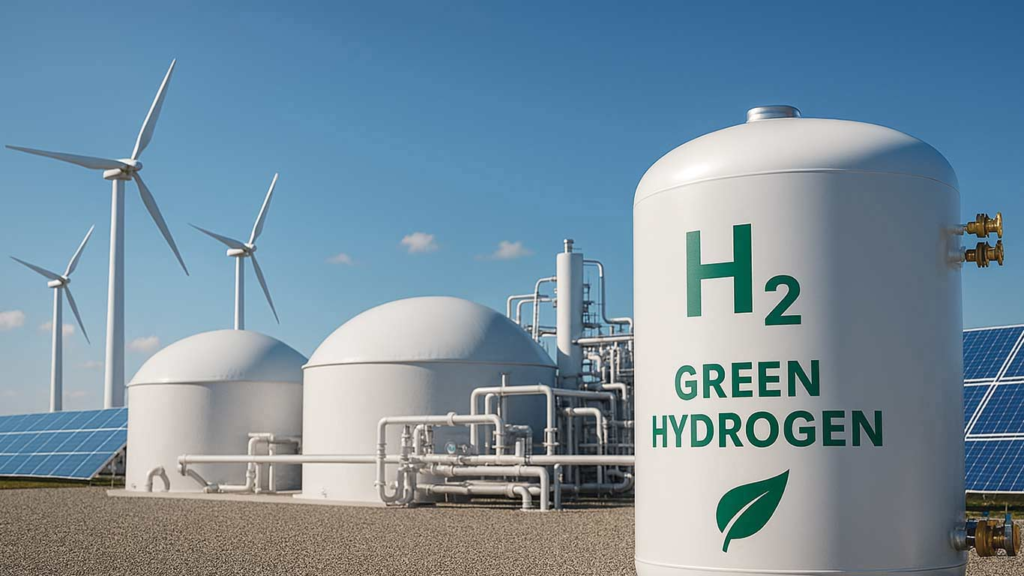
India and Finland also agreed to co-host the World Circular Economy Forum in 2026 and set up a Consular Dialogue between their foreign ministries to streamline further cooperation.
On trade, Prime Minister Modi and President Stubb called upon the business community to make use of the opportunities created by the landmark India-EU Free Trade Agreement, agreeing that the aim should be to double the value of current trade between India and Finland by 2030.
Mumbai: Where Leaders Meet Business
Today, March 7, both leaders travel to Mumbai for a high-level CEO roundtable. The visit marks one of the most significant upgrades in India-Nordic relations, signalling growing cooperation between New Delhi and European technology leaders as both countries seek to expand partnerships in the digital and green economy.
India’s investments in Finland have already crossed $1 billion, with about 30 Indian companies active in Finland, primarily in software and consultancy. Over 100 Finnish companies have operations in India, including Nokia, KONE Elevators, Metso Outotec, and Wartsila.
President Stubb extended an invitation for PM Modi to visit Finland. Modi accepted. Both governments have tasked their respective ministries with preparing a joint action plan through the newly established working groups on digitalisation and sustainability.
The partnership signals a clear bet by both nations: that inclusive digital growth, built on trust, open infrastructure, and shared innovation, is the most durable path to sustainable development.
Clear Cut Climate, Research Desk
New Delhi, UPDATED: March 08, 2026 09:00 IST
Written By: Ayushman Meena