
Rising tensions involving Iran, the United States, and Israel are driving humanitarian crises, especially for children, while also disrupting global energy systems and economic stability. These interconnected impacts highlight how regional conflicts can trigger widespread global consequences across society and markets.
The escalation involving Iran, the United States, and Israel has broader implications that extend beyond military confrontation into humanitarian and economic domains. While real-time reporting in conflict settings often presents challenges related to verification, existing global evidence demonstrates that such geopolitical conflicts tend to produce widespread civilian disruption and systemic instability. Multilateral institutions have consistently emphasized that modern conflicts are increasingly interconnected with global systems, affecting not only regional stability but also economic and social structures worldwide (United Nations, 2023; World Bank, 2023).
Human Cost of Conflict on Children
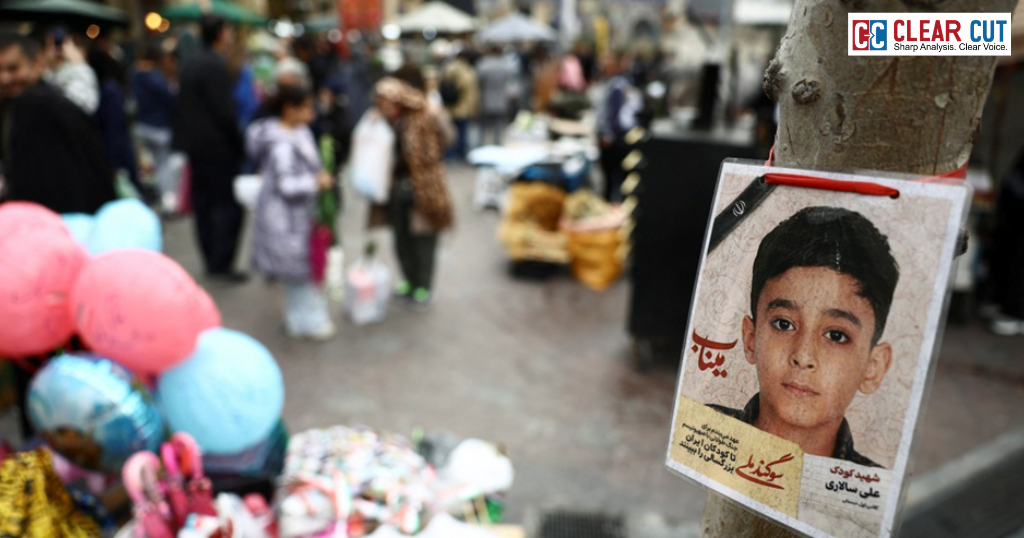
Children are among the most vulnerable populations in conflict situations, facing disproportionate risks of injury, displacement, and long-term developmental consequences. According to UNICEF (2023a), armed conflicts globally continue to disrupt essential services such as education and healthcare, leaving millions of children without access to safe learning environments. In addition, children in conflict zones are exposed to both direct violence and indirect consequences such as malnutrition, psychological trauma, and lack of access to clean water and sanitation (UNICEF, 2023b).
Damage to schools, hospitals, and other critical infrastructure exacerbates these risks and undermines long-term human development. Evidence from global humanitarian assessments shows that disruptions in education during conflict have lasting effects on human capital formation and social stability, further reinforcing cycles of vulnerability (UNICEF, 2023a).
Displacement and Civilian Vulnerability
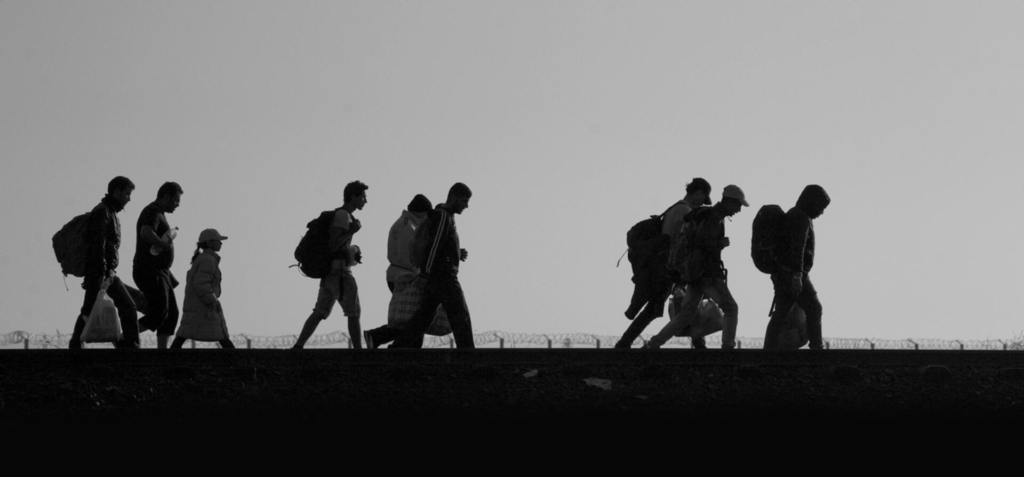
Conflict-induced displacement remains one of the most significant humanitarian consequences of geopolitical instability. The United Nations High Commissioner for Refugees (UNHCR, 2024) reports that global forced displacement has reached record levels, driven primarily by conflict and violence. Rapid displacement often results in overcrowded living conditions, limited access to essential services, and increased pressure on host communities.
Such displacement patterns highlight the broader vulnerability of civilian populations during conflict. The United Nations (2023) has emphasized that large-scale population movements can destabilize regions and exacerbate existing inequalities, particularly among already marginalized groups. These conditions create long-term humanitarian challenges that extend beyond the immediate conflict period.
Energy Disruption and the Strait of Hormuz
Energy systems are highly sensitive to geopolitical disruptions, particularly in regions that serve as critical transit routes. The Strait of Hormuz is one such strategic chokepoint, through which approximately one-fifth of global oil supply passes under normal conditions (International Energy Agency [IEA], 2023). Disruptions in this corridor can lead to significant volatility in global energy markets and supply chains.
The IEA (2022) highlights that energy shocks are not limited to oil markets but also affect natural gas, fertilizers, and petrochemical industries. These sectors are integral to global production systems, meaning that disruptions in energy flows can have cascading effects across multiple economic sectors. The interconnected nature of energy markets underscores their critical role in maintaining global economic stability.
Global Economic Implications
Energy disruptions have direct implications for global economic performance. Rising energy prices contribute to inflationary pressures, influencing monetary policy decisions across economies. The European Central Bank (ECB, 2023) has noted that energy price volatility remains a key driver of inflation and economic uncertainty.
At the same time, the World Trade Organization (WTO, 2023) has warned that sustained increases in energy costs can reduce global economic growth, particularly affecting developing economies that are heavily dependent on energy imports. Additionally, the Food and Agriculture Organization (FAO, 2023) highlights the strong link between energy prices and fertilizer costs, which in turn impacts agricultural productivity and global food security. These dynamics illustrate how localized geopolitical tensions can translate into broader global economic challenges.
Diplomatic Efforts and Conflict Resolution
Diplomatic engagement remains a critical mechanism for mitigating the impacts of conflict. The United Nations (2023) has consistently emphasized the importance of dialogue and multilateral cooperation in resolving geopolitical tensions. Evidence suggests that early diplomatic intervention can prevent escalation and reduce both humanitarian and economic consequences.
The challenges associated with conflict resolution highlight the need for stronger global governance mechanisms and sustained international cooperation. Without effective diplomatic engagement, conflicts risk becoming prolonged crises with far-reaching global implications.
Conclusion
The escalation involving Iran reflects broader patterns observed in global conflicts, where humanitarian crises and economic disruptions extend beyond regional boundaries. Evidence from international institutions demonstrates that such conflicts have significant impacts on children, displacement patterns, energy systems, and global economic stability.
While uncertainties remain in real-time conflict analysis, the available evidence underscores the importance of coordinated humanitarian responses, economic stabilization measures, and renewed diplomatic efforts. As global systems become increasingly interconnected, the ability to manage and mitigate the effects of geopolitical conflicts will be essential for ensuring long-term stability and human well-being.
References
Food and Agriculture Organization. (2023). The state of food security and nutrition in the world 2023.
https://www.fao.org/publications/sofi
International Energy Agency. (2022). World energy outlook 2022.
https://www.iea.org/reports/world-energy-outlook-2022
United Nations High Commissioner for Refugees. (2024). Global trends: Forced displacement in 2023.
https://www.unhcr.org/global-trends-report-2023
World Bank. (2023). Global economic prospects.
https://www.worldbank.org/en/publication/global-economic-prospects
World Trade Organization. (2023). Global trade outlook and statistics.
https://www.wto.org/english/res_e/booksp_e/wtsr_2023_e.pdf
Clear Cut Research Desk
New Delhi, UPDATED: March 29, 2026 05:00 IST
Written By: Ruchira Das