
Jeremy Wade ke viral Ganga water test ne river mein sewage pollution aur faecal coliform contamination par dobara dhyaan khinch liya. CPCB reports aur WHO guidelines bhi dikhati hain ki kai shehron ke paas paani ki quality concern ka vishay bani hui hai.
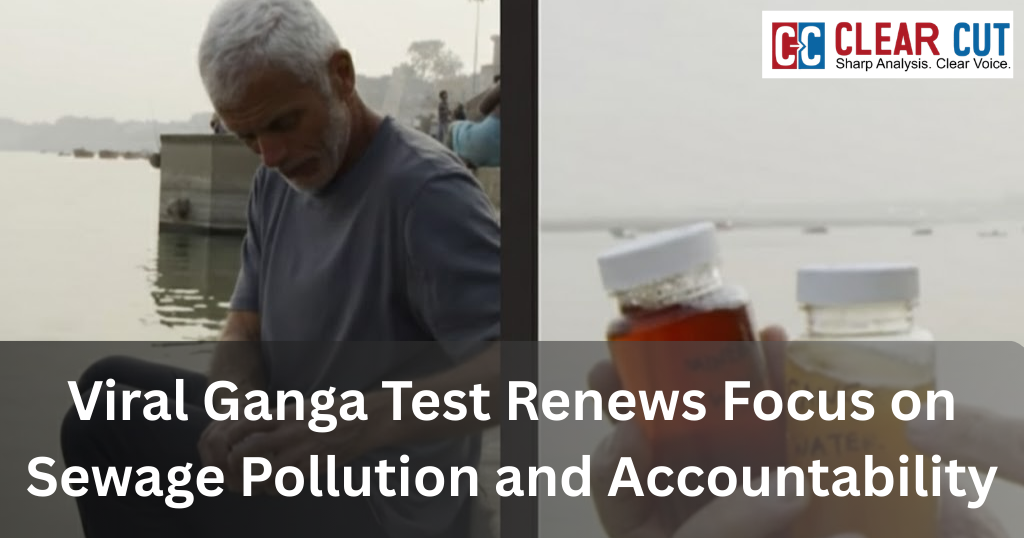
A viral video featuring Jeremy Wade has brought renewed attention to the pollution levels in the Ganga River. In the clip, Wade conducts a simple chemical test on water collected from the river and compares it with bottled mineral water.
According to reporting by Moneycontrol (2026), Wade first tests bottled water, where the reagent turns pink indicating relatively clean water under the kit’s parameters. When he tests the Ganga sample, the solution turns brownish. Wade explains on camera that this colour shift suggests the presence of faecal coliform bacteria, which indicates contamination from human waste.

The video quickly spread across social media and was widely reported by Indian media platforms, including The Times of India (2026), which highlighted Wade’s remark that the water appeared to contain “a lot of human waste.”
The Science Behind What Wade Demonstrated
Faecal coliform bacteria are widely used as an indicator of sewage contamination. The World Health Organization (WHO), in its Guidelines for Drinking-water Quality, explains that coliform presence signals possible contamination by human or animal excreta and increases the risk of waterborne diseases.
The type of test Wade used is a reagent-based field indicator commonly applied in preliminary water quality checks. While such tests are not as precise as laboratory analysis, they are designed to detect contamination indicators quickly.
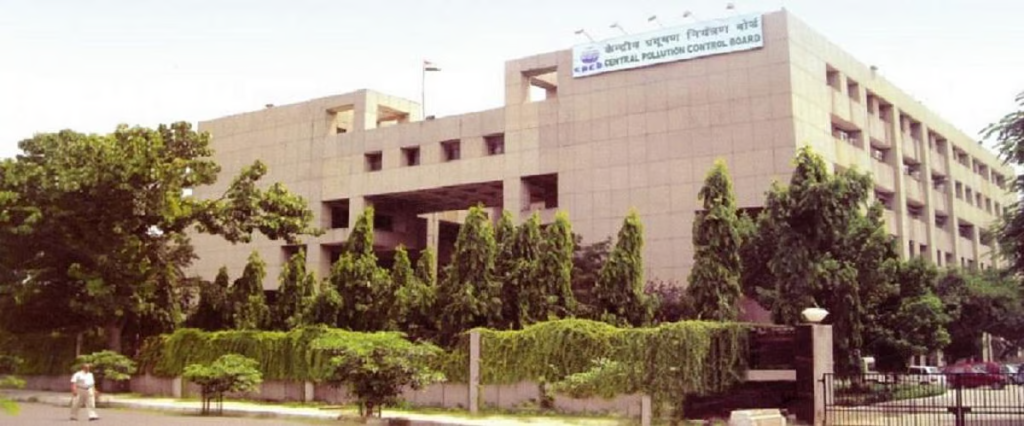
This aligns with data published by India’s Central Pollution Control Board (CPCB). In its river water quality monitoring reports, the CPCB has repeatedly documented elevated faecal coliform counts in several urban stretches of the Ganga, especially near densely populated cities.
Thus, Wade’s field demonstration visually reflects findings already noted in official environmental monitoring.
What Monitoring Agencies Have Reported
The CPCB’s periodic assessments have identified untreated sewage as the largest contributor to pollution in the Ganga. Biological Oxygen Demand (BOD) levels and coliform counts often exceed prescribed standards in certain stretches.
Similarly, updates from the National Mission for Clean Ganga under the Namami Gange programme acknowledge that municipal sewage discharge remains a key challenge. The Ministry of Jal Shakti has reported that while new sewage treatment plants have been commissioned, gaps persist in collection and treatment infrastructure in smaller towns.
Jeremy Wade’s video does not introduce new scientific data. Instead, it presents a visual, accessible demonstration of a problem already documented by Indian environmental authorities.
Cultural Sensitivity and Public Reaction
The Ganga holds immense religious importance. Millions consider it sacred and perform rituals such as bathing, prayer, and ceremonial immersion along its banks.
In the video, Wade openly acknowledges this sensitivity. As quoted by Moneycontrol (2026), he remarks that pointing out pollution in a sacred river can be “deeply offensive” to believers. However, he frames his findings as scientific observation rather than criticism of faith.
According to The Times of India (2026), reactions online were divided. Some viewers argued that reverence must be matched with environmental responsibility. Others urged caution in interpreting simple test results without full laboratory context.
The discussion reflects a broader societal tension between symbolic reverence and ecological accountability.
Why the Ganga’s Pollution Matters
The Ganga basin supports nearly 500 million people, making it one of the most populated river basins in the world. The river supplies water for drinking, agriculture, fisheries, and industry.
The WHO warns that water contaminated with faecal bacteria increases risks of diarrhoeal disease, cholera, and other infections. In densely populated riverbank communities, such risks become especially serious.
According to CPCB reports, untreated municipal sewage accounts for a significant portion of organic pollution entering the river system. Industrial effluents and solid waste dumping further compound the issue.
Government Efforts to Address the Crisis
The Government of India launched the Namami Gange programme in 2014, implemented through the National Mission for Clean Ganga. According to official progress reports from the Ministry of Jal Shakti, the programme focuses on expanding sewage treatment capacity, river surface cleaning, industrial effluent monitoring, and biodiversity conservation.
The government has stated that hundreds of sewage treatment projects have been sanctioned. However, environmental analysts have pointed out that operational efficiency and connectivity gaps remain challenges in some districts.
Jeremy Wade’s video indirectly underscores the importance of these efforts by demonstrating that visible contamination concerns still exist.
Science, Faith and Responsibility
What makes Wade’s video significant is not merely the colour change in a test tube. It is the public conversation it triggered.
The CPCB’s monitoring data, WHO’s health guidelines, and Namami Gange’s policy framework all point to a shared conclusion: sewage contamination is a documented issue in parts of the Ganga.
Wade’s demonstration translates technical monitoring language into a simple visual form that millions can understand.
Faith and science do not need to conflict. But evidence suggests that environmental stewardship must accompany reverence.
Conclusion
Jeremy Wade’s viral Ganga water test, as reported by Moneycontrol and The Times of India, visually illustrated contamination indicators that Indian environmental monitoring bodies have already documented.
The World Health Organization explains the public health risks associated with faecal contamination. The Central Pollution Control Board has identified elevated coliform levels in several stretches of the river. The National Mission for Clean Ganga continues to invest in sewage infrastructure improvements.
The video serves as a reminder that the Ganga is both sacred and scientifically measurable. Protecting it requires transparency, infrastructure development, enforcement, and community participation.
Environmental responsibility must move alongside cultural reverence if the Ganga’s long-term health is to be secured.
Clear Cut Health, WASH Desk
New Delhi, UPDATED: Feb 24, 2026 01:00 IST
Written By: Samiksha Shambharkar