
India’s Mission Vatsalya is building a comprehensive child protection system through care institutions, digital tracking of missing children, and stronger anti-trafficking laws. It integrates welfare, technology, and law enforcement to better protect and rehabilitate vulnerable children across the country.
The government’s Vatsalya framework is quietly building India’s most comprehensive child protection systems from care homes to anti-trafficking databases.
Children in Difficult Circumstances Are Getting Institutional Support
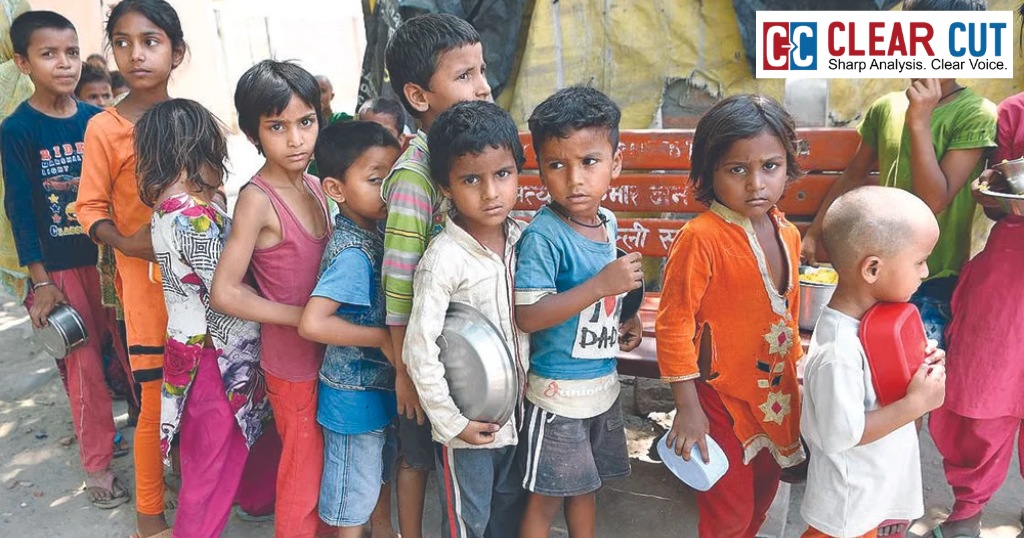
The Ministry of Women and Child Development is implementing Mission Vatsalya as a Centrally Sponsored Scheme across all States and Union Territories. The scheme works on a cost-sharing basis between the Central and State governments, and covers children in difficult circumstances, including orphans, street children, and those in conflict with the law.
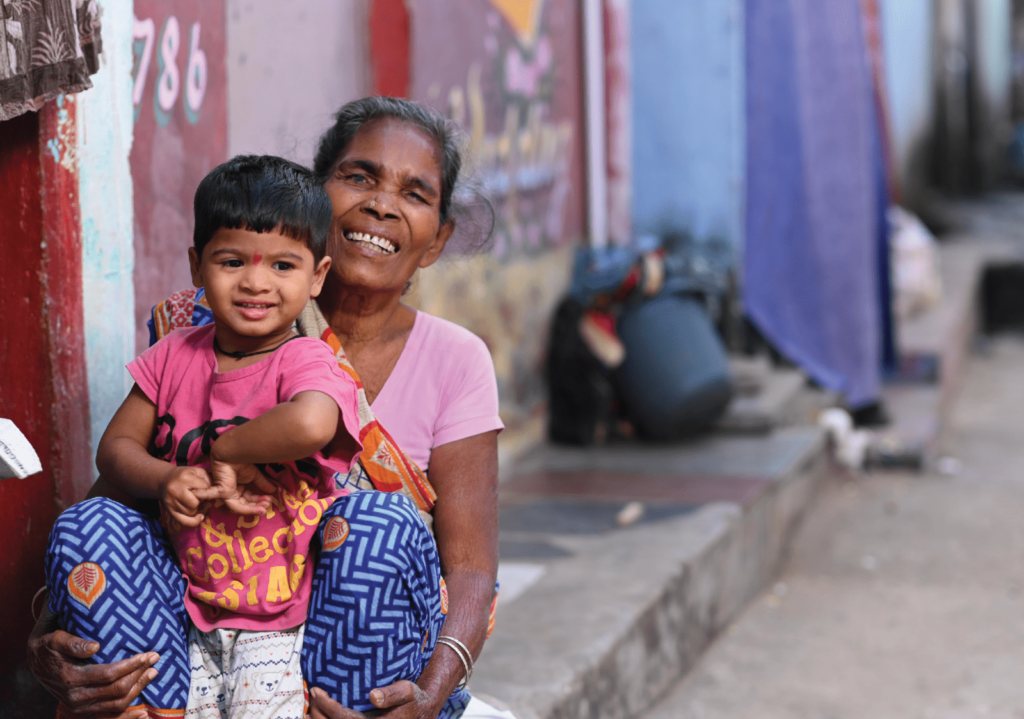
Child Care Institutions (CCIs) established under the scheme provide age-appropriate education, vocational training, recreation, healthcare, and counselling, while also ensuring the fulfilment of children’s basic needs such as adequate nutrition, clothing, safe shelter, healthcare, hygiene, protection from harm, emotional care, and access to education. Beyond institutional care, the scheme supports non-institutional alternatives including sponsorship, foster care, adoption, and after-care services. During the 15th Finance Commission revision, financial norms were enhanced to better address these basic needs, alongside strengthening provisions for rehabilitation and the social reintegration of children living in such institutions.
A Unified Portal Connecting the Dots
One of the more significant structural developments is the Mission Vatsalya Portal. A unified digital platform developed in coordination with States and UTs. Two critical tools have been integrated into it: the TrackChild Portal for missing and found children, and the Khoya-Paya application for missing and sighted children. Together, they form a connected system that allows police, welfare committees, and citizens to act faster when a child goes missing.
The TrackChild portal is also integrated with the Crime and Criminal Tracking & Network Systems (CCTNS) of the Ministry of Home Affairs, enabling FIR matching with the TrackChild database. This means State and UT police can now trace and match missing children across jurisdictions more efficiently. Through the Khoya-Paya module, any citizen can report a missing or sighted child directly.
Nodal Officers, Welfare Committees, and the JJ Act
The Ministry has directed all State and UT governments to appoint designated nodal officers for missing children at both the state and district levels, with their details uploaded on the Mission Vatsalya portal. On the legal side, the Juvenile Justice Act 2015 empowers Child Welfare Committees (CWCs) to make decisions for children in need of care and protection, and mandates them to monitor CCIs. Juvenile Justice Boards handle children in conflict with law. At the national and state level, Commissions for Protection of Child Rights monitor the Act’s implementation under Section 109.
Trafficking Is Being Treated as a Serious Crime
India’s new criminal laws are clearer and tougher on trafficking. Section 143 of the Bharatiya Nyaya Sanhita (BNS) defines trafficking and prescribes severe punishments, with higher penalties when children or multiple persons are involved. Section 144 addresses exploitation of trafficked persons, including sexual exploitation. Section 95 covers hiring or engaging a child to commit an offence, and Section 99 addresses buying a child for prostitution. The Bharatiya Nagarik Suraksha Sanhita (BNSS) 2023 classifies trafficking as a cognizable and non-bailable offence.
The Infrastructure Fighting Trafficking on the Ground
The government has built an extensive anti-trafficking apparatus across the country. 827 Anti-Human Trafficking Units (AHTUs) are now functional, 807 in States and UTs, 15 in Border Security Forces, and 5 in Sashastra Seema Bal, which also runs a dedicated helpline number 1903. There are 14,653 Women Help Desks at police stations, funded through the Nirbhaya Fund. The Crime Multi Agency Centre (Cri MAC), launched in 2020, enables real-time information sharing on trafficking cases between law enforcement agencies across States. The National Investigation Agency (NIA) is mandated to investigate trafficking cases with inter-state, national, or international dimensions. Supporting these efforts are specialised databases like the National Database on Sexual Offenders (NDSO) and the National Database of Human Trafficking Offenders (NDHTO). They allow investigators to track habitual offenders and build criminal profiles.
A Framework That’s Broader Than It Looks
Mission Vatsalya goes beyond being a welfare scheme; it represents a comprehensive child protection architecture that integrates care institutions, digital tracking systems, legal reforms, and law enforcement mechanisms. The government’s emphasis on strengthened inter-agency coordination and sustained public awareness reflects its view of the initiative as a continuous and evolving effort, rather than a one-time intervention. Ultimately, the extent to which implementation matches this ambition will determine how effectively it reaches and supports children in need
References
https://www.pib.gov.in/PressReleasePage.aspx?PRID=2245905®=3&lang=2
Clear Cut Child Protection Desk
New Delhi, UPDATED: April 02, 2026 05:10 IST
Written By: Tanmay J Urs