
MoSPI has released two SDG bulletins highlighting India’s progress in environmental sustainability and economic growth using official data. The reports show major gains in sanitation, renewable energy, electrification, and social protection, reflecting a data-driven development approach.
India’s Ministry of Statistics and Programme Implementation (MoSPI) has released two thematic bulletins that put hard data at the centre of the country’s sustainable development story. Launched during a capacity-building workshop in Patna, Bihar on March 21, 2026, the reports are titled “Planet in Focus: Advancing Environmental Sustainability under the SDGs” and “Delivering Prosperity at Scale: India’s Economic Transformation through the SDGs.” Together, they offer the most detailed official snapshot yet of where India stands across environmental and economic dimensions of the 2030 Agenda.

Why These Bulletins Matter
The reports are part of a new thematic SDG bulletin series aligned with the five pillars of the 2030 Agenda for Sustainable Development: People, Planet, Prosperity, Peace, and Partnerships. They provide a concise, data-driven overview of India’s SDG progress by integrating key indicators, policy initiatives, and national achievements.
The bulletins were prepared using the latest official data from the SDG National Indicator Framework (NIF) Progress Report 2025, which serves as the primary statistical framework for monitoring SDG progress in India.
The United Nations has been consistent in stressing the urgency of this kind of evidence-led reporting. The UN SDG Report 2025 noted that “the Sustainable Development Goals have improved millions of lives, but the current pace of change is insufficient to fully achieve all the Goals by 2030.” India’s bulletins are a direct response to that challenge at the national level.
Planet: Sanitation, Climate, and Circular Economy
The Planet-focused bulletin described the Swachh Bharat Mission as having delivered a “great sanitation revolution”, with 100 per cent of districts achieving Open Defecation Free status by 2019-20.
Waste management infrastructure has expanded significantly, with recycling facilities rising from 829 in 2019-20 to 3,036 in 2024-25, preventing an estimated 103 lakh tonnes of plastic waste from reaching landfills and advancing circular economy practices.
On climate action, the report noted a decline in carbon intensity of the power sector, from 61.45 tonnes CO₂ per ₹ crore in 2015-16 to 40.52 tonnes in 2022-23, indicating meaningful progress toward low-carbon growth.
The bulletin also reflects India’s rapid advancement in disaster risk reduction, describing a systemic, forward-looking transformation aimed at strengthening national resilience in alignment with the Sendai Framework for Disaster Risk Reduction 2015-2030.
Prosperity: Energy, Inequality, and Urban Growth
The Prosperity Bulletin highlights India’s progress under the Sustainable Development Goals (SDGs) related to economic inclusion, energy access, infrastructure, and urban sustainability. According to NITI Aayog, India has made notable strides in expanding clean energy and improving access to electricity.
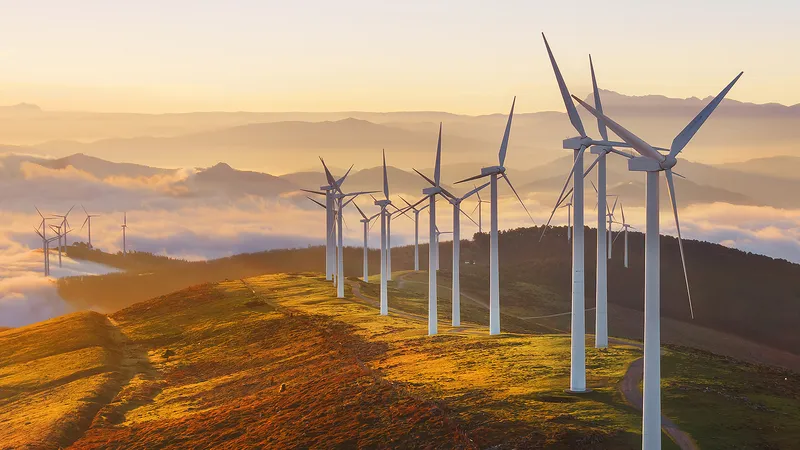
India is now the fourth-largest wind energy producer globally, with the share of renewable energy in installed electricity capacity increasing from 16.02% in 2015–16 to 22.13% in 2024–25 (Ministry of New and Renewable Energy; International Renewable Energy Agency).
Union Minister for New and Renewable Energy Pralhad Joshi reaffirmed this trajectory on Global Wind Day 2025, stating:
“Our national goals are ambitious and clear: 50% of our power capacity from non-fossil fuel sources by 2030, and a net-zero India by 2070. Wind energy is not a component of our renewable energy strategy but it is at the heart of it” (MNRE Press Release, 2025).
Aditya Pyasi, CEO of the Indian Wind Turbine Manufacturers Association, added:
“The Indian wind industry is fully aligned with the government’s clean energy vision. We are investing in capacity, technology innovation, and workforce development to achieve 100 GW of wind energy by 2030” (IWTMA Statement, 2025).
On energy access, the bulletin notes that India has achieved 100% village electrification and near-universal household electrification (over 98%), with the SDG indicator 7.1.1 improving from 99.77% to 100% within 24 months (World Bank; NITI Aayog SDG Index Reports).
Government schemes such as Saubhagya Scheme and Deendayal Upadhyaya Gram Jyoti Yojana have been instrumental in driving this progress (Ministry of Power, Government of India).
Inequality and Social Protection
The proportion of the population covered by any form of social protection rose to 64.3 per cent in 2025 from 22 per cent in 2016. This marks one of the sharpest expansions in social coverage in India’s recorded history.
The bulletin also recorded a “sustained and measurable decline” in the Gini coefficient of household consumption expenditure between 2011-12 and 2023-24, attributing this trend to social protection and livelihood schemes under SDG 10.2.1.
The UNDP SDG India Index has been tracking this convergence. The Government of India’s commitment to inclusive and sustainable growth is highlighted through its motto ‘Sabka Saath, Sabka Vikas’. India, with its mission for inclusive and sustainable growth, resonates deeply with the core principle of the SDG framework of “leaving no one behind.”
India’s Twin-Track Model
Together, the publications argue that long-term wellbeing depends on aligning growth with social equity, resource efficiency, and ecological stewardship.
The Prosperity bulletin states clearly: “For India, the opportunity lies in leveraging demographic dividends, technological adoption, and policy innovation to drive inclusive and sustainable prosperity.”
MoSPI said future editions will continue to track advancements across all five SDG pillars, offering deeper insights into India’s development progress. With four years left to the 2030 deadline, these bulletins signal that India is not just tracking its commitments but building a verifiable, statistical case for them.
Clear Cut Research Desk
New Delhi, UPDATED: March 27, 2026 09:00 IST
Written By: Ayushman Meena