

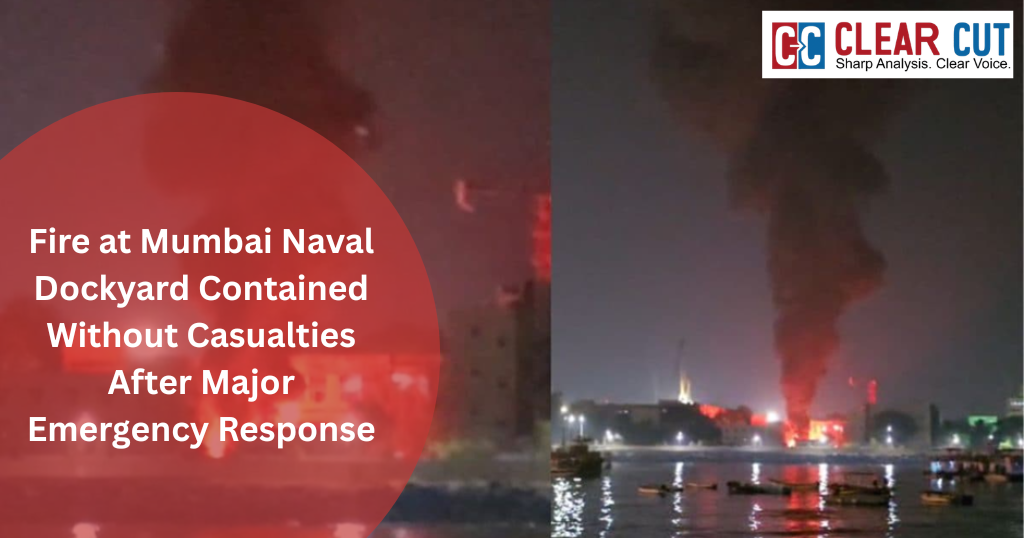
A fire broke out in a technical building at the Naval Dockyard, South Mumbai, and was contained swiftly by firefighters and naval personnel with no casualties, minimal damage, and operational readiness unaffected; preliminary cause points to a possible electrical short circuit.
A major fire broke out inside a building at the Naval Dockyard in South Mumbai, triggering a large-scale emergency response in one of the city’s most sensElectrical Short Circuititive and high-security zones. Firefighters, naval personnel, and disaster management teams rushed to the site near the Gateway of India and worked for several hours to bring the flames under control. Authorities confirmed that no casualties were reported, and all personnel were safely evacuated.
The incident occurred inside a technical building within the naval premises. Thick smoke was seen rising from the structure, prompting immediate containment measures. The Mumbai Fire Brigade classified the incident as a high-category fire and deployed multiple fire engines, water tankers, and hydraulic platforms to prevent the blaze from spreading.
Immediate Emergency Response and Containment
Officials from the Mumbai Fire Brigade stated that they received the alert in the afternoon and mobilised at least eight fire engines along with rescue units. Firefighters entered the building with breathing apparatus and used foam-based suppression systems due to the presence of electrical installations.
Naval authorities coordinated closely with civic emergency services. According to senior officials from the Indian Navy’s Western Naval Command, standard safety protocols were activated immediately after the alarm was raised. The area was cordoned off, and nearby personnel were evacuated as a precaution.
The fire was contained before it could spread to adjacent dockyard infrastructure. Authorities confirmed that the blaze did not affect operational naval assets or vessels stationed in the dockyard.

Location and Strategic Sensitivity
The Naval Dockyard in Mumbai is one of India’s most critical maritime facilities. It handles ship repair, maintenance, and logistical operations for the Western Fleet of the Indian Navy. The facility’s proximity to the Gateway of India and key defence establishments makes it a strategically sensitive zone.
Security agencies quickly assessed whether the fire posed any threat to ammunition depots, fuel storage, or active naval platforms. Officials clarified that the affected structure was not connected to ammunition storage or high-risk material.
Given the strategic importance of the dockyard, intelligence and security agencies conducted parallel checks to rule out sabotage or external interference. Initial assessments indicated no evidence of foul play.
Cause of the Fire Under Investigation
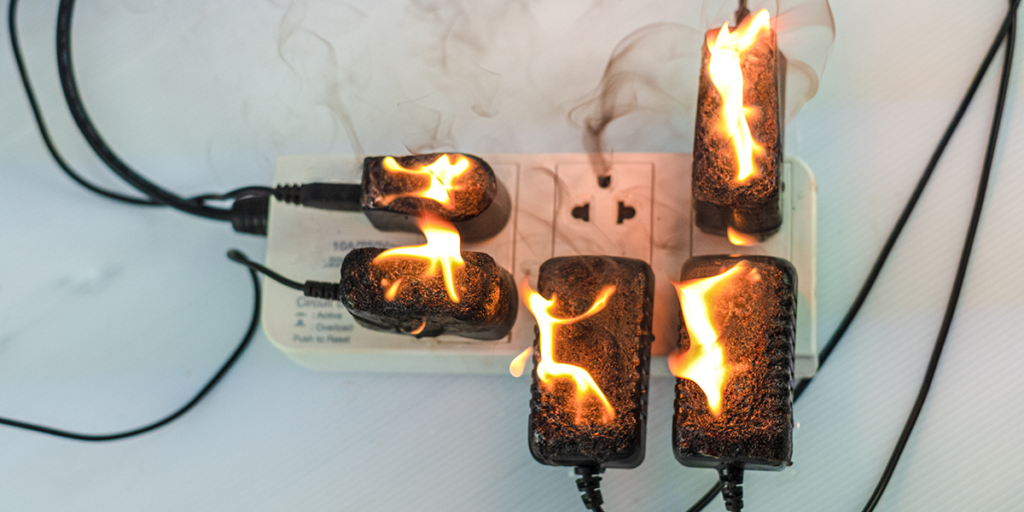
Preliminary reports suggested that the fire may have originated from an electrical short circuit inside the building. However, authorities have not issued a final statement on the exact cause.
A joint inquiry team comprising naval engineers, fire safety officers, and technical experts has begun investigating the origin and sequence of events. Officials confirmed that CCTV footage and electrical load data will be examined to determine whether faulty wiring, overload, or equipment malfunction triggered the incident.
The Mumbai Fire Brigade has submitted an initial report to civic authorities. A detailed forensic assessment will follow once the site is fully cooled and declared safe for inspection.
Infrastructure Safety and Preparedness
The incident has renewed focus on fire safety measures in high-security defence establishments. Naval sources stated that regular fire drills and safety audits are conducted as part of routine operational preparedness. Emergency exits, alarm systems, and firefighting equipment are maintained according to defence safety standards.
However, urban safety experts point out that ageing infrastructure in certain sections of older defence facilities can increase electrical risks if periodic upgrades are delayed. They emphasise that comprehensive safety audits must include electrical load testing and fire suppression system upgrades.
Officials from the Brihanmumbai Municipal Corporation’s disaster management cell confirmed that coordination between naval authorities and civic fire services functioned smoothly during the operation. The swift containment prevented wider disruption in South Mumbai’s commercial and tourist zones.
No Casualties, Minimal Damage
Authorities confirmed that no injuries or fatalities occurred. Medical teams were kept on standby, but evacuation procedures ensured that all personnel exited safely before the fire intensified.
Initial damage assessments suggest that the fire affected internal sections of the building, including office spaces and electrical systems. Naval officials stated that operational capabilities remain unaffected and routine dockyard functions continue as scheduled.
Power supply to affected sections was temporarily cut off to prevent secondary hazards. Restoration work will begin after technical clearance.
Social and Public Safety Dimensions
Although the dockyard is a restricted defence area, the fire drew public attention because of its location near a major tourist landmark. Videos of smoke rising from the premises circulated rapidly on social media, leading to speculation.
Authorities urged citizens to avoid spreading unverified information. Defence officials emphasised transparency and confirmed that there was no threat to civilians.
Incidents in high-security zones often trigger public anxiety. Experts note that clear communication from authorities helps maintain public confidence. In this case, regular updates from naval spokespersons and municipal officials prevented panic.
Key Highlights
- Fire broke out inside a technical building at the Naval Dockyard in South Mumbai
- Mumbai Fire Brigade deployed multiple engines and containment units
- No casualties or injuries reported
- No impact on naval vessels or operational readiness
- Preliminary assessment suggests possible electrical cause
- Joint inquiry team formed to investigate
Lessons for Urban and Defence Safety
This incident highlights the importance of coordinated emergency response in metropolitan defence zones. It also underscores the need for continuous infrastructure upgrades in sensitive installations.
Fire safety experts stress that electrical maintenance and modern suppression systems must remain priorities in older institutional buildings. Defence establishments, given their strategic importance, require layered safety audits and rapid response integration with civic agencies.
The Naval Dockyard fire ended without loss of life, but it serves as a reminder of the vulnerabilities that exist even in high-security environments. Prompt action, disciplined coordination, and transparent communication ensured that a potentially dangerous situation remained under control.
Authorities will release a detailed investigation report once the technical inquiry concludes. Until then, the focus remains on restoring the affected building and reinforcing preventive safety mechanisms.
Clear Cut CSR, Health Desk
New Delhi, UPDATED: Feb 13, 2026 09:00 IST
Written By: Samiksha Shambharkar