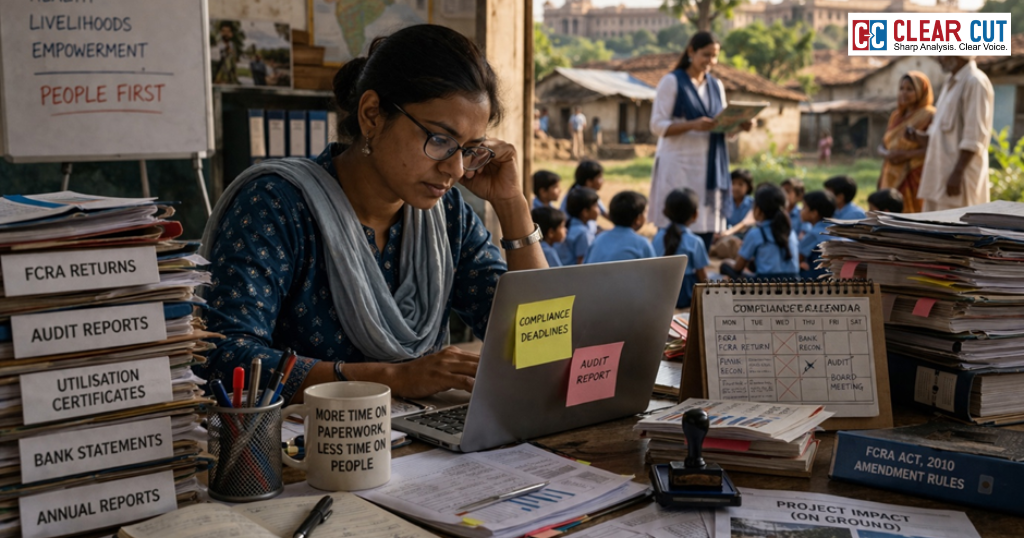

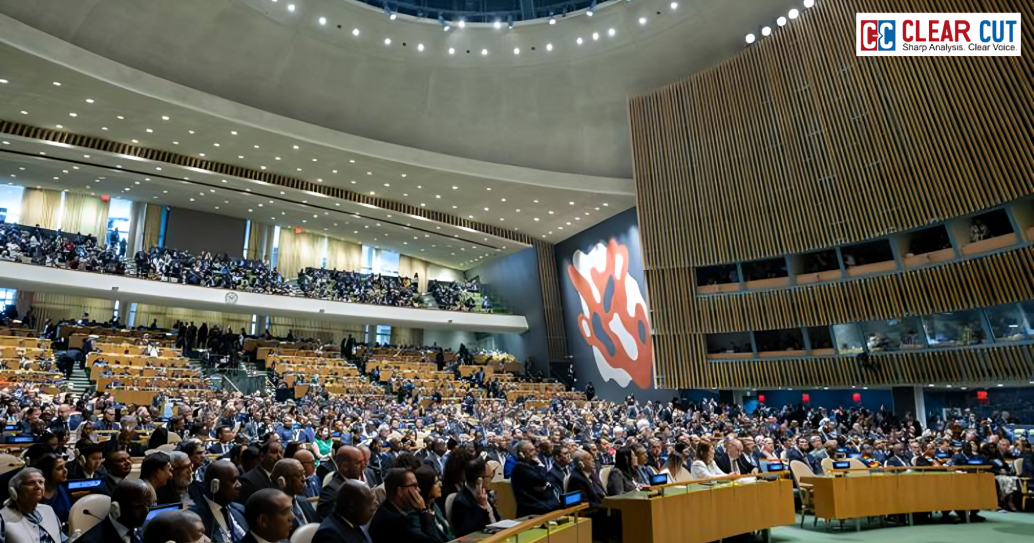
The United Nations highlights a massive $4 trillion annual gap in funding the Sustainable Development Goals, raising concerns about meeting the 2030 deadline. FFD Week 2026 will test whether global commitments like the Sevilla Commitment can turn into real financial action.
Each year, the United Nations releases a figure that is hard to comprehend. The annual financing gap for the Sustainable Development Goals, representing the shortfall in expenditures on development that the world could be making but fails to do so, amounts to about $4 trillion. This does not include the overall cost of development in the world; it simply shows the amount that is lacking.
This week, this figure comes under the limelight again. The United Nations is gearing up for its FFD week, planned to take place on April 20-24 at the United Nations Headquarters in New York. Prior to the start of the forum, an important document will be published: the 2026 Financing for Sustainable Development Report, set to be launched on April 9.
A Report with a Long History
This document serves as the first comprehensive review of financing for development in the world since the 2017 Fourth International Conference on Financing for Development (FFD4) took place in Seville, Spain. The event resulted in the formulation of the Seville Commitment, setting out the plan of action for achieving the goal of filling the development financing gap by 2030.
This report was developed by the UN Inter-Agency Task Force on Financing for Development. This task force involves more than 60 UN agencies and international organisations and is run by the UN Department of Economic and Social Affairs. Such reports are issued yearly starting from 2016; however, one exception should be noted, the year 2025 was marked by FFD4. For that reason, this year’s report gets special significance because it will be the first document issued after the conference questioning whether its commitments are being fulfilled.

An advance, unedited version released in February provided an early look. It was not encouraging. The report noted that FFD4 took place amid various crises, including lingering effects of the pandemic, trade issues, cuts to aid budgets, and increasing geopolitical divisions. The Sevilla Commitment was seen as a boost for international cooperation, but the report emphasised that initial action would be critical.
What the Forum Will Actually Debate
It should be noted that FFD Week goes beyond merely launching a report. First, the core of the event is the ECOSOC Forum on Financing for Development Follow-Up. As an intergovernmental process, it provides universal participation in discussing the progress in implementing the recommendations set forth in the Addis Ababa Action Agenda and financing commitments made for the achievement of the SDGs. This year, there are four major themes to focus on: private sector and finance, trade as a driver of development, the international financial system, and data and statistics.
Other important topics for discussion include debt sustainability, international development cooperation, and domestic public resources that have become problematic recently. Many donors have reduced their aid budgets dramatically. At the same time, trade relations continue to be challenging, and reforms in the international financial system and especially in lowering the cost of capital for developing economies are still a controversial issue.

The choice of the timing seems strategic as FFD Week comes right before the Spring Meetings of the World Bank and IMF, thus creating expectations in advance of these meetings.
The Sevilla Commitment: From Blueprint to Reality
The coming forum will show whether the Sevilla Commitment, which sounds well in theory, is turning into something real. This commitment encompasses many distinct aspects like domestic revenue mobilisation, private finance for development, international tax cooperation, and the reform of the international financial architecture.
One of the signs of progress will be the UN Framework Convention on International Tax Cooperation that has been under discussion now for two years. It is expected to produce the adoption of the major convention and early protocols by the end of 2027. Any achievements will be watched closely since tax reforms will always be a very political topic of development financing.
An important signal will be the establishment of the African Credit Rating Agency that is due to be shown in 2026. In case it works properly, it may make it easier for African states to borrow money because they will be able to reduce risks. It may become another brick in the solution of the problem of capital costs.
2030 Is Not Far Away
With just four years remaining before the deadline for the SDGs in 2030, the disparity between rhetoric and reality is palpable in terms of maternal deaths, of children who don’t have school meals, of farmers who lack irrigation, and of cities with inadequate public health infrastructure.
This FFD Week won’t bridge the yawning chasm of $4 trillion per year all on its own. But the outcomes of this week in New York, in terms of the reports released, the dialogue generated, and the commitments made, will have an impact on the future years ahead. Will the Sevilla Commitment bring about real results, or be another beautifully written document relegated to a drawer somewhere?
The report launch is scheduled for April 9. The forum begins on April 20. The SDG deadline of 2030 remains the same.
References
1. United Nations Sustainable Development. (2026, April). Media Advisory: UN to assess progress on financing solutions. https://www.un.org/sustainabledevelopment/blog/2026/04/2026-fsdr-launch-media-advisory/
2. UN Financing for Sustainable Development Office. (2026). 2026 FFD Week overview. https://financing.desa.un.org/2026-ffd-week
3. ECOSOC. (2026). 2026 Forum on Financing for Development Follow-Up. https://ecosoc.un.org/en/events/2026/ecosoc-forum-financing-development-follow
4. SDG Knowledge Hub / IISD. (2026, February). UN Report Reflects on Initial Implementation of Sevilla Commitment. https://sdg.iisd.org/news/un-report-reflects-on-initial-implementation-of-sevilla-commitment/
5. Global Policy Forum. (2025, December). The year ahead: What’s next for financing for development in 2026? https://www.globalpolicy.org/en/news/2025-12-17/year-ahead-whats-next-financing-development-and-international-financial
Clear Cut Research Desk
New Delhi, UPDATED: April 09, 2026 05:00 IST
Written By: Tanmay J Urs