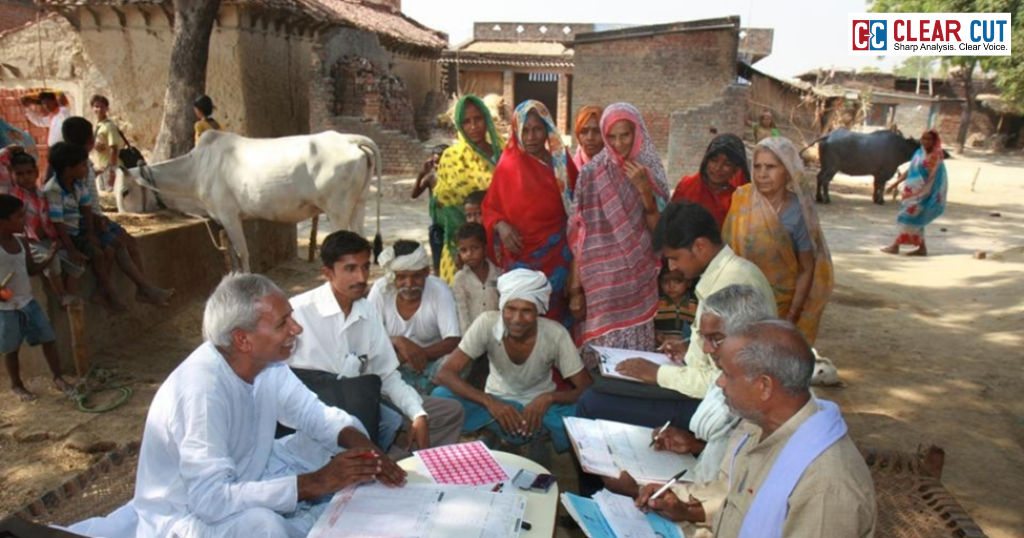


India’s Transgender Amendment Act 2026 replaces self-identification with mandatory medical verification, limiting who qualifies as transgender and raising serious constitutional concerns. The law has sparked legal challenges and criticism for undermining rights guaranteed by the Supreme Court and marginalizing already vulnerable communities.
A law Passed in Haste
On March 25, 2026, India’s Parliament passed the Transgender Persons (Protection of Rights) Amendment Act, 2026. Critics say, this law does the opposite of what the name suggests. It cleared both houses within 24 hours and received presidential approval days later. Since then, it has led to a Supreme Court petition, resignations from the government’s advisory body, and strong criticism from international human rights organizations.
From Self-Identity to State Approval
This law changes the Transgender Persons (Protection of Rights) Act of 2019, which, although not perfect, established the principle of self-identification. This principle allowed individuals to declare their own gender identity without needing to undergo medical checks. The 2026 amendment eliminates that principle. It replaces self-declaration with required verification by a medical board and approval by a District Magistrate. It limits the legal definition of ‘transgender’ to historically recognized socio-cultural categories such as hijra, kinner, aravani and intersex individuals with specific congenital conditions. Trans men, trans women outside these categories, genderqueer and non-binary people, as well as region-specific identities like Thirunangai from Tamil Nadu or Nupi Maanbi from Manipur are left unprotected by this statute.
Criminalisation and Its Risks
The amendment also adds criminal provisions that worry civil liberties groups. It punishes anyone who ‘compels, forces, or allures’ a person to ‘outwardly present as transgender,’ with sentences of up to life in prison. Critics argue these provisions could be used against shelters, NGOs, and even family members who support transgender individuals, echoing the logic of colonial-era criminal laws.
A Clash with the Constitution
The legal conflict with existing precedent is clear. In the 2014 Supreme Court case NALSA v. Union of India, the court ruled that gender identity is a matter of personal choice. It stated that no one should be forced to undergo medical procedures for legal recognition. The 2026 Act directly contradicts this ruling. A panel established by the Supreme Court to examine transgender rights explicitly asked the government to withdraw the bill before Parliament acted, but this recommendation was ignored.

Within five days of presidential approval, activists Laxmi Narayan Tripathi and Zainab Patel filed a public interest litigation in the Supreme Court. They argue that the Act causes ‘irreparable constitutional injury’ to Articles 14, 15, 19, and 21, which guarantee rights to equality, non-discrimination, expression, and life. Two members of the National Council for Transgender Persons, the body meant to represent the community resigned in protest. Amnesty International called the Act ‘a dangerous precedent.’ Human Rights Watch described it as a ‘huge setback.’
The Government’s Argument
Supporters of the bill, including the government’s social justice minister, argue that the amendments aim to protect those facing discrimination due to ‘biological reasons’ and to prevent misuse of welfare benefits. They claim the administrative logic is about clarity and accountability. However, for communities that have historically faced barriers to gaining even identity cards, the argument that verification prevents misuse seems empty. Activists point out that the system was never strong enough to be exploited, and the new law leaves those already marginalized even more invisible.
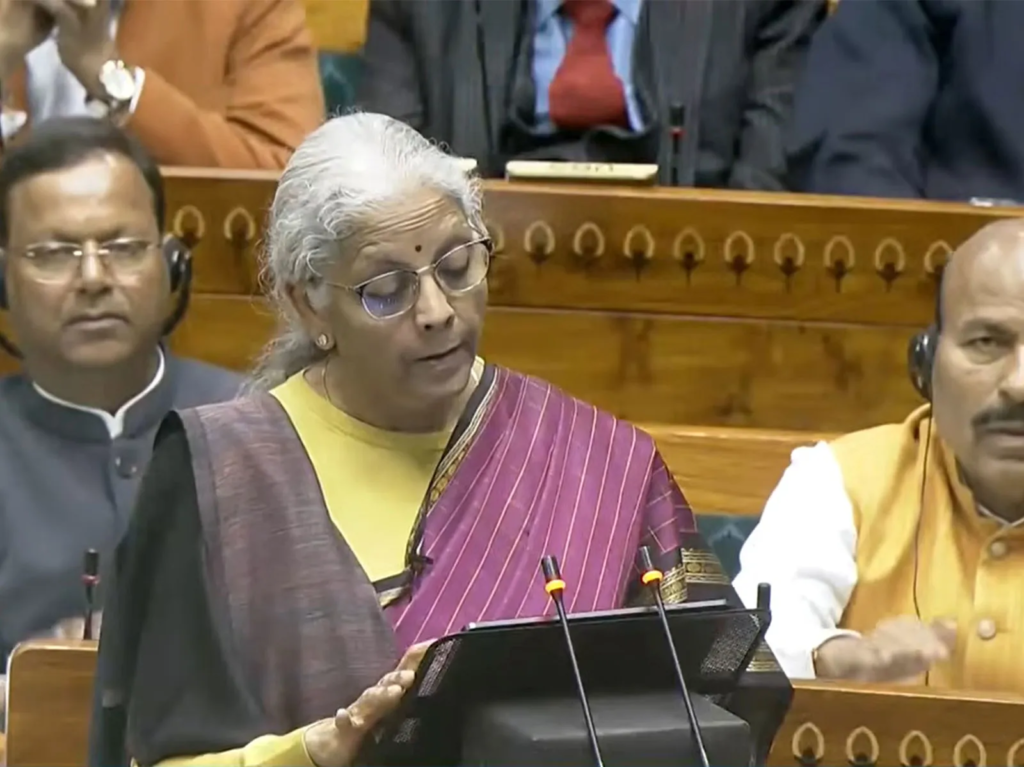
The matter is now before the Supreme Court. Until it issues a ruling, the Amendment Act remains in effect. The Ministry is expected to release new rules regarding the medical screening requirement. For India’s transgender population is estimated at nearly half a million. Only about 32,500 holding identity cards under the more lenient 2019 framework, the path to legal recognition has become significantly more difficult.
References
https://prsindia.org/billtrack/the-transgender-persons-protection-of-rights-amendment-bill-2026
https://www.hrw.org/news/2026/03/26/indias-transgender-rights-bill-a-huge-setback
Clear Cut Gender Desk
New Delhi, UPDATED: April 07, 2026 02:15 IST
Written By: Tanmay J Urs