
The United Nations Commission for Social Development adopted new resolutions to strengthen poverty eradication and inclusive policies, emphasizing coordinated global action and social justice. Leaders highlighted the need for stronger national policies, social protection systems, and inclusive development to achieve the Sustainable Development Goals (SDGs).
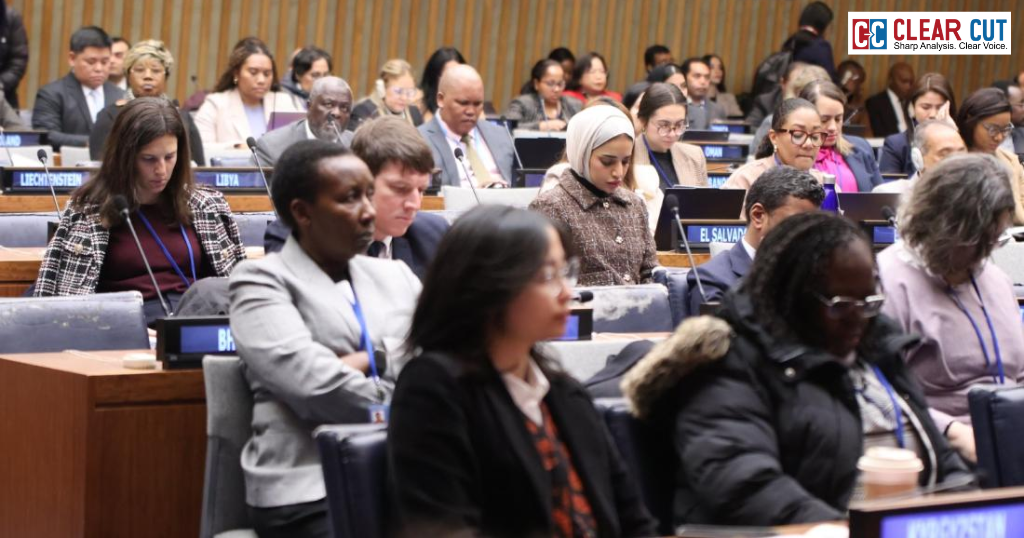
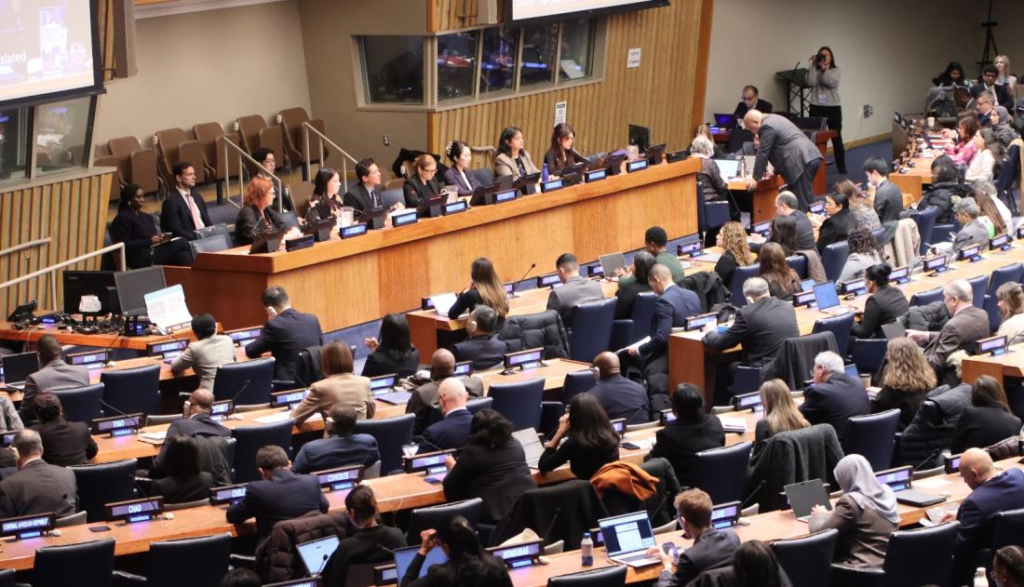
The United Nations Commission for Social Development has adopted a set of resolutions aimed at strengthening global action on poverty eradication, social justice and inclusive development. The decisions came at the 64th session of the Commission for Social Development (CSocD64), held from 2 to 10 February 2026 at United Nations Headquarters in New York. The session gathered ministers, UN officials, civil society organisations and policy experts to review global progress on social development and shape policy priorities aligned with the Sustainable Development Goals.
The Commission, a functional body of the UN Economic and Social Council, focuses on advancing policies that reduce poverty, promote social inclusion and ensure decent work worldwide. Its annual meetings provide a global platform where governments coordinate social development strategies and review progress toward commitments under the Copenhagen Declaration and the 2030 Agenda.
Global leaders call for stronger action on social justice
Opening the session, Khrystyna Hayovyshyn, Chair of the Commission and Ukraine’s representative, warned that the credibility of international commitments depends on real policy action. She told delegates that social development discussions must move beyond theory and into measurable change. Hayovyshyn stressed that ensuring a decent standard of living is a global responsibility, stating that adequate social conditions should be treated as a shared obligation rather than charity.
UN Deputy Secretary-General Amina Mohammed also urged governments to translate international commitments into national policy frameworks. She said the Doha Political Declaration adopted in 2025 signalled the need to move away from slow incremental progress and toward stronger national action linking job creation, universal social protection and inclusive public services.
During the opening debate, President of the UN General Assembly Annalena Baerbock warned that global instability is increasingly tied to social inequality and poverty. She said hunger, climate stress and economic hardship can fuel conflict and migration pressures. Baerbock told delegates that ending hunger and poverty should not be viewed as charity but as a moral obligation and a strategic investment in global stability.
Lok Bahadur Thapa, President of the UN Economic and Social Council, also addressed the Commission, highlighting the link between social inequality and declining public trust in institutions. Thapa argued that investing in care systems and inclusive labour markets can strengthen economic resilience while enabling greater participation of women in the workforce.
Resolutions place social development at the centre of national policy
One of the most significant resolutions adopted during the session focuses on advancing social development and social justice through coordinated, equitable and inclusive policies. The resolution urges governments to place social development at the core of national policy frameworks and strengthen coordination between social, economic and environmental strategies.
The text also reiterates the UN principle of prioritising those most affected by inequality. Member States are encouraged to ensure development programmes reach vulnerable populations first, including women, children, migrants, persons with disabilities and communities facing systemic discrimination.
The resolution further calls for action to achieve gender equality and remove barriers preventing women’s participation in labour markets. Governments were also urged to strengthen policies that address gender-based violence and promote economic inclusion.
Delegations at the session emphasised that social protection systems such as pensions, family support programmes and healthcare access play a critical role in preventing people from falling into extreme poverty. Discussions also highlighted the importance of coordinated policies across sectors including education, employment and public health.
Experts emphasise integrated approaches to poverty eradication
Several experts participating in high-level discussions argued that poverty cannot be addressed in isolation. Sabina Alkire, Professor of Poverty and Human Development at the University of Oxford, said social policies must work together rather than compete with each other. She explained that effective governance requires coordination so that health, education and social protection policies reinforce each other instead of operating in separate silos.
Civil society organisations also contributed to the policy debate. The International Federation of Social Workers emphasised that poverty eradication, decent work and social integration remain the three central global priorities for social development policy. The organisation highlighted the importance of building policy environments that allow inclusive social programmes to operate effectively and protect vulnerable communities.
UN development officials also stressed that poverty, inequality and social exclusion are interconnected challenges. Discussions during the Commission highlighted that tackling these issues requires coordinated action across government institutions and partnerships with civil society and international organisations.
Resolution supports development priorities in Africa
Another resolution adopted during the session focused on the social dimensions of the New Partnership for Africa’s Development (NEPAD). The resolution acknowledges the role of the African Union’s Agenda 2063 as a strategic framework guiding long-term development across the continent.

The text recognises progress made by African countries in governance reforms, women’s empowerment and regional economic integration. At the same time, it notes that major challenges remain, including youth unemployment, maternal and child health gaps and limited domestic resource mobilisation. The Commission called for stronger international cooperation and investment to support inclusive development in Africa.
Commission sets intergenerational approach as next policy theme
In addition to adopting policy resolutions, the Commission approved the priority theme for its next cycle of discussions. The 2027 session of the Commission for Social Development will focus on strengthening social development through intergenerational approaches to sustainable development.
The theme reflects growing international attention to demographic shifts, ageing populations and the need for policies that address the needs of both younger and older generations. Experts say intergenerational cooperation can strengthen social cohesion and support sustainable economic development.
A renewed push for inclusive development
The outcomes of the CSocD64 session are expected to influence social policy discussions across governments and international institutions over the coming years. The Commission’s resolutions reinforce the international community’s commitment to inclusive economic growth, universal social protection and poverty eradication.
UN officials and policymakers repeatedly emphasised that progress toward the Sustainable Development Goals will require coordinated global action. With widening inequality and economic instability affecting many countries, the Commission concluded that stronger partnerships and inclusive policies will be essential to ensure that no one is left behind.
Clear Cut Research, Livelihood Desk
New Delhi, UPDATED: March 18, 2026 05:00 IST
Written By: Ayushman Meena