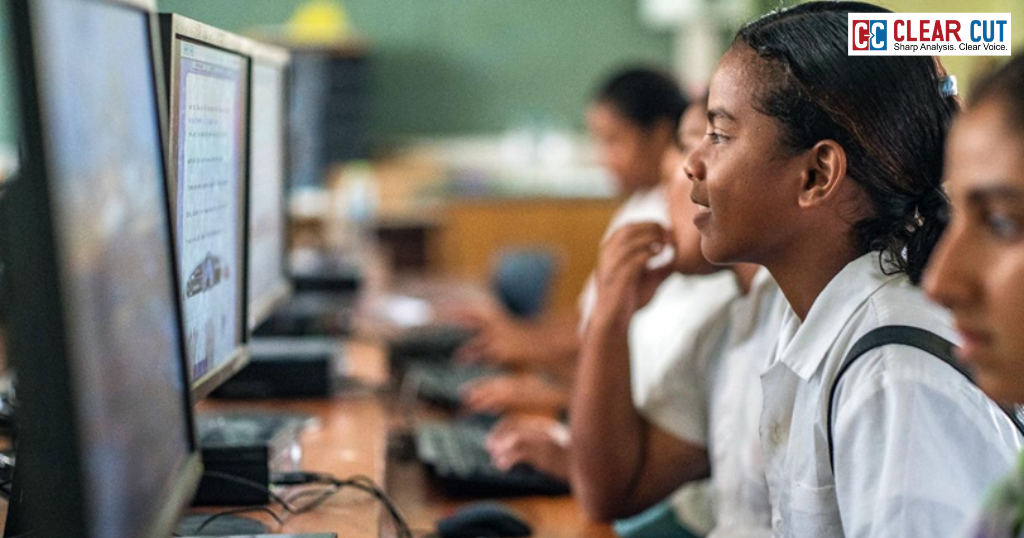

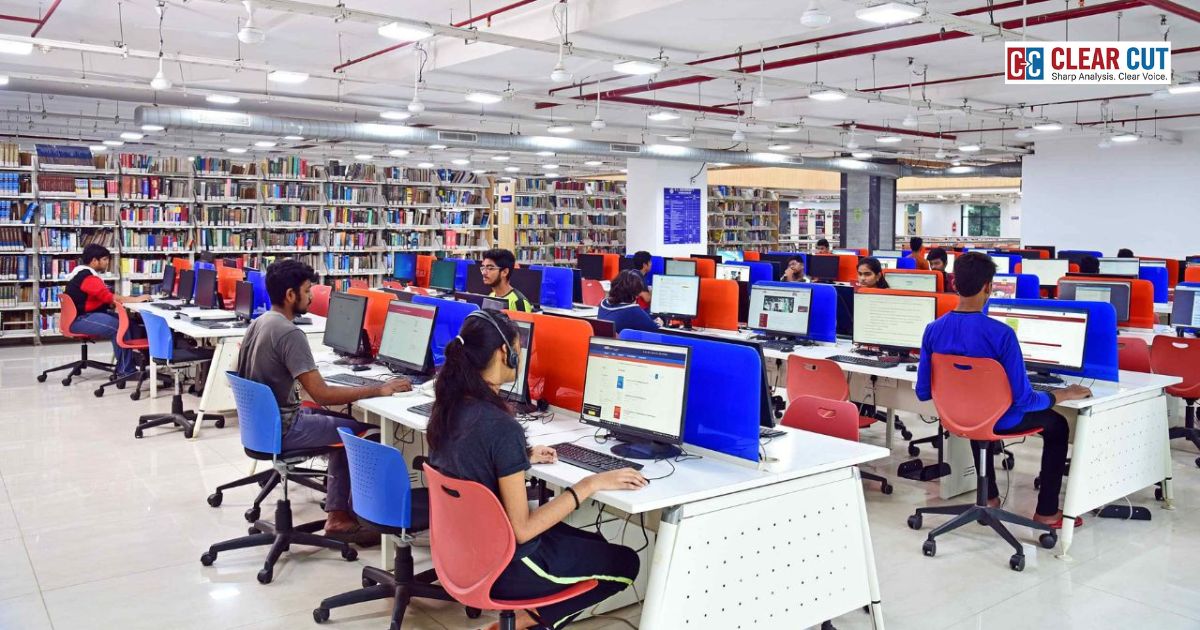
In a major move to fill the educational gaps that exist between rural and urban areas, a major initiative was launched by the Uttar Pradesh government to open digital libraries in 104 gram panchayats in the Agra district. The initiative was headed by Chief Minister Yogi Adityanath and will be executed by the UP Panchayati Raj Department. This initiative will provide rural students access to learn through digital tools that earlier existed only in urban areas.
In fact, for rural students, lack of quality infrastructure in education has been a major hindrance in their way to success. Traveling to urban areas for coaching class material and study material has not only been a time-wasting experience, but it has also been very costly for many parents. But now, with the introduction of these digital libraries, the government has ensured that such limitations are reduced to a great extent, allowing students to prepare for their studies in their own areas.
This will be achieved by equipping each of the 104 libraries with computers, internet access, e-books, video lectures, among other learning tools that help convert the traditional village reading rooms into learning points. Materials to be used include over 20,000 learning material resources comprising e-books, audio-visual materials, quizzes, among others, in addition to hard copies written by known authors.
The initiative is targeted to work as an overall support centre for academics, and it will not be used as merely an e-library or an electronic repository for books, highlighted officials participating in the development of this project. “The availability of digital and hard copies of education-related content will help meet different kinds of needs of students in terms of academics,” informed District Panchayati Raj Officer Manish Kumar.
The cost of establishing each digital library stands estimated to be approximately ₹4 lakhs. Of the total cost of ₹4 lakhs, ₹2 lakhs are primarily earmarked for books, ₹1.3 lakhs are earmarked for IT hardware like computers and networking facilities, and approximately ₹7,000 are earmarked for standard furniture required to provide a favourable environment for studying. These budgetary provisions reflect that not only are they establishing devices but are focused on providing quality educational content and favourable environments.
The operation of the digital libraries would be the responsibility of the concerned village administration. The Gram Pradhan as well as the Gram Secretary would look after each of the centres so that the service functions effectively and is accessible to the school-going children throughout the year. The concerned officials of the Panchayati Raj Department would monitor the working of the centres so that the problems faced, if any, would be tackled effectively.
The step has been appreciated by experts in the field of education because they believe that digital access plays a significant function in improving learning results for kids from rural areas. Digital libraries can increase opportunities for multimedia learning experiences and improve preparation for competitive exams and provide learning material relevant to academic syllabus. Moreover, with increased use and awareness about technology and digital literacy, it is a welcoming time for all because technology and digital literacy are being considered necessary skills for higher education and jobs.
Parents and locals in villages of Agra have also shown positive sentiments towards this initiative. They see this as a great chance for students who have long been hampered by inadequate infrastructure when it comes to education. With this initiative that is bringing quality resources closer to them, they believe their children will feel empowered to compete against students from better-equipped urban schools when pursuing their education.
The digital library scheme in the state of Uttar Pradesh is in line with overall plans to transform rural education through technology. Some of the current trends in the state that stand out in relation to technology and education involve plans to ensure the accessibility of digital education at thousands of gram panchayats to give rural youth a fair chance at success.
Therefore, the implementation of digital libraries in 104 gram panchayats in Agra is an immense contribution towards education in rural settings. By incorporating innovative technologies and managing through community resources, the plan aims at achieving the concept of egalitarian access and equity in education.
Clear Cut Education Desk
New Delhi, UPDATED: Dec 25, 2025 09:00 IST
Written By: Ayushman Meena