

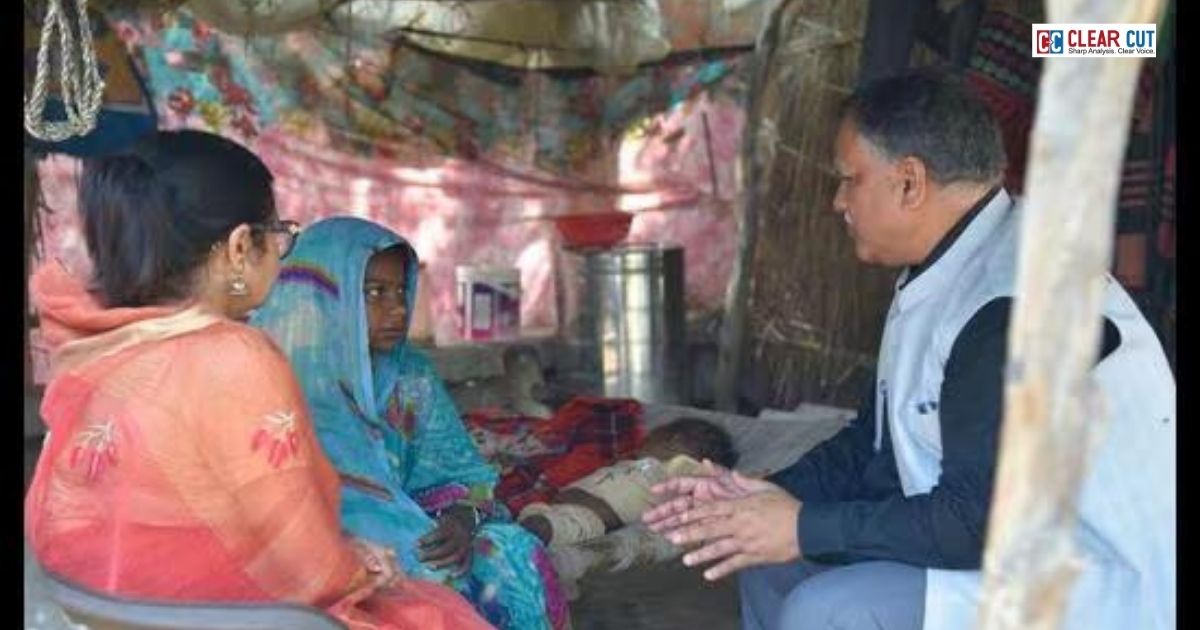
Uttar Pradesh has embarked on an ambitious campaign to cover every beneficiary household in the state under key welfare schemes. Referred to as the Zero Poverty Campaign, it reached its first major milestone on 15 November 2025. That was the deadline set by Chief Minister Yogi Adityanath for districts to complete the first phase of verification. The announcement came on 13 November 2025. Within forty-eight hours, mapping and enrolment drives began across districts.
The underlying idea is simple. Economic growth by itself will not reduce poverty. This has to be supplemented with comprehensive coverage of welfare schemes which provide food, pensions, income support, housing and healthcare. The state government believes that if every eligible family is linked to these schemes, the baseline risks due to poverty will come down substantially.
The First Phase and What It Covers
This will be done under seven major programmes of the first phase, which include ration cards under the Public Distribution System, pensions for widows, elderly persons and persons with disabilities, the Pradhan Mantri Kisan Samman Nidhi income support scheme, the Pradhan Mantri Awas Yojana for rural and urban housing, and the Ayushman Bharat Jan Arogya Yojana health insurance scheme.
Officials were asked to ensure that every poor family was covered under the schemes, while district task forces expedited document correction and closure of pending cases. Village level functionaries or workers carried outdoor-to-door updating and verification of records regarding eligibility.
These seven schemes have been chosen for a reason: they are the minimum level of social protection a family should have-food security, basic income support, financial assistance to vulnerable individuals, shelter, and access to healthcare. For those households that suffer from seasonal unemployment, a rise in prices, or health shocks, it would serve as protection against falling into extreme poverty.
The Special One Month Drive
Starting the month immediately after the 15 November deadline, the administration is conducting a special campaign for one month to identify the families who have remained outside the system. These include migrant workers, single women, elderly people without documents, and landless families often left out of official surveys.
This step is important because exclusion errors are among the biggest challenges in welfare delivery. Large sections of households do not claim benefits due to a lack of knowledge, fear of bureaucracy, or inability to secure the required documents. Thus, the special drive will reduce these exclusion errors and provide fresh data for targeting in the future.
The Second Phase and Broader Indicators
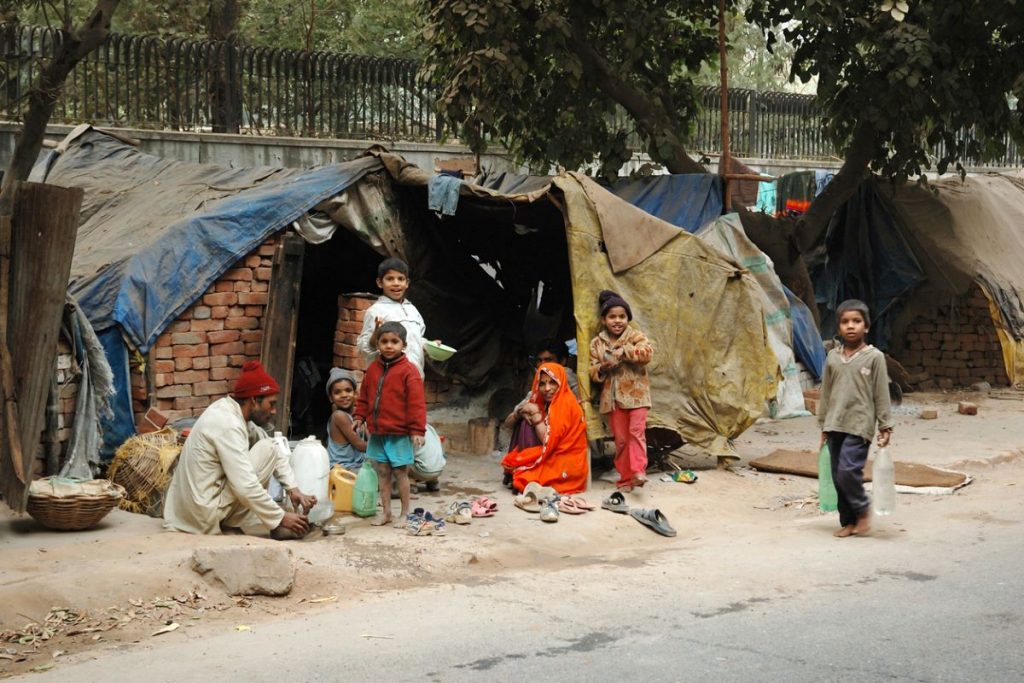
Photo Credit: Internet
A second phase will be completed by 30 November 2025. In this phase, the ambit of the campaign has been expanded to include all the schemes aimed at improving the quality of life beyond subsistence. These include clean cooking fuel through Ujjwala, household toilets under Swachh Bharat, electricity access, education related benefits and the Mukhyamantri Kanya Sumangala scheme for girls.
These schemes link welfare to long-term human development: access to clean fuel reduces indoor air pollution; toilets improve public health; electricity influences schooling outcomes and productivity. Support for girls helps bridge gender gaps. Inclusion of these schemes is a signal that the state recognizes poverty reduction cannot stop with immediate relief.
What the Campaign Reveals
The campaign brings out both strengths and challenges. On the positive side, it reflects a shift from passivity in welfare delivery to active outreach. The instruction to complete the first phase in two days galvanised bureaucratic systems into prioritizing field work over updating old lists and directly engaging with communities.
But the scale of the task also exposes the structural flaws: too many districts work with outdated records, and their digital systems often have connectivity problems in remote blocks. Verification falls back on frontline workers who have enough work to do already. Ensuring accuracy within tight deadlines is not easy and risks inclusion or exclusion errors.
The campaign also points to a bigger question of policy. Reduction in poverty does not depend on welfare coverage alone but on employment, price stability, and the strength of the health system. Without stable incomes and functional services, households can slip back into vulnerability even if they are enrolled in multiple schemes
Conclusion
The Zero Poverty Campaign is an important attempt to bring every eligible household under essential welfare coverage. Its success will depend on accuracy, transparency, and sustained follow-up. The initiative shows the scale at which India’s largest state is trying to reform its safety net. The coming few months will reveal whether the effort sets a model for inclusive governance or serves as a reminder of the limits of rapid welfare expansion.
Clear Cut Livelihood Desk
New Delhi, UPDATED: Nov 13, 2025 05:45 IST
Written By: Janmojaya Barik
Very well written and articulated by the writer.
Thankyou for your kind words.