

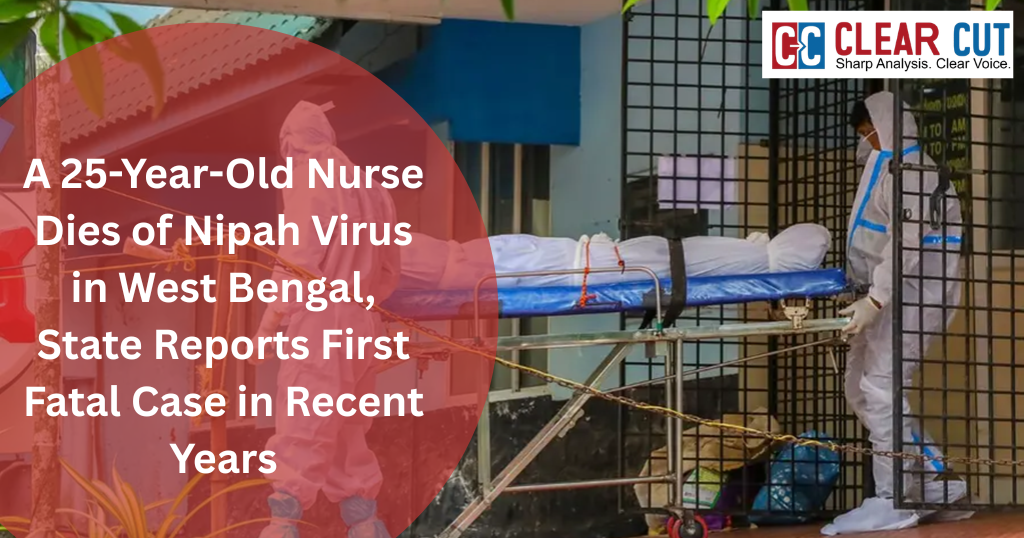
West Bengal reported its first Nipah virus death in nearly five years after a 25-year-old nurse succumbed to the infection. Authorities have launched contact tracing and confirmed no community spread so far.
West Bengal has recorded its first Nipah virus–related death in recent years, with officials clarifying that this is the first confirmed fatality in the state in nearly five years, after a 25-year-old nurse died following complications linked to the infection. State health authorities confirmed that she had earlier tested positive for the Nipah virus and was receiving treatment at a government medical facility. Her death has raised concerns about infection control, frontline healthcare safety, and surveillance mechanisms in eastern India.
According to senior officials from the West Bengal Health Department, two nurses had tested positive for Nipah virus infection. While one recovered, the 25-year-old woman later suffered a cardiac arrest during treatment and could not be revived. Hospital authorities clarified that she had shown signs of improvement before her condition deteriorated suddenly.
The state government has activated emergency health protocols, including contact tracing, isolation of close contacts, and enhanced surveillance in affected districts.
What Happened
A young nurse who worked in a healthcare setting tested positive and received medical care under strict isolation. Although she initially responded to treatment, her health worsened, and she passed away due to cardiac complications.
The West Bengal Director of Health Services confirmed that no widespread outbreak has been detected so far. Officials stated that only two confirmed cases were reported in the cluster, and both were healthcare workers.
Authorities are investigating how the infection occurred and whether exposure happened during patient care or through another source.
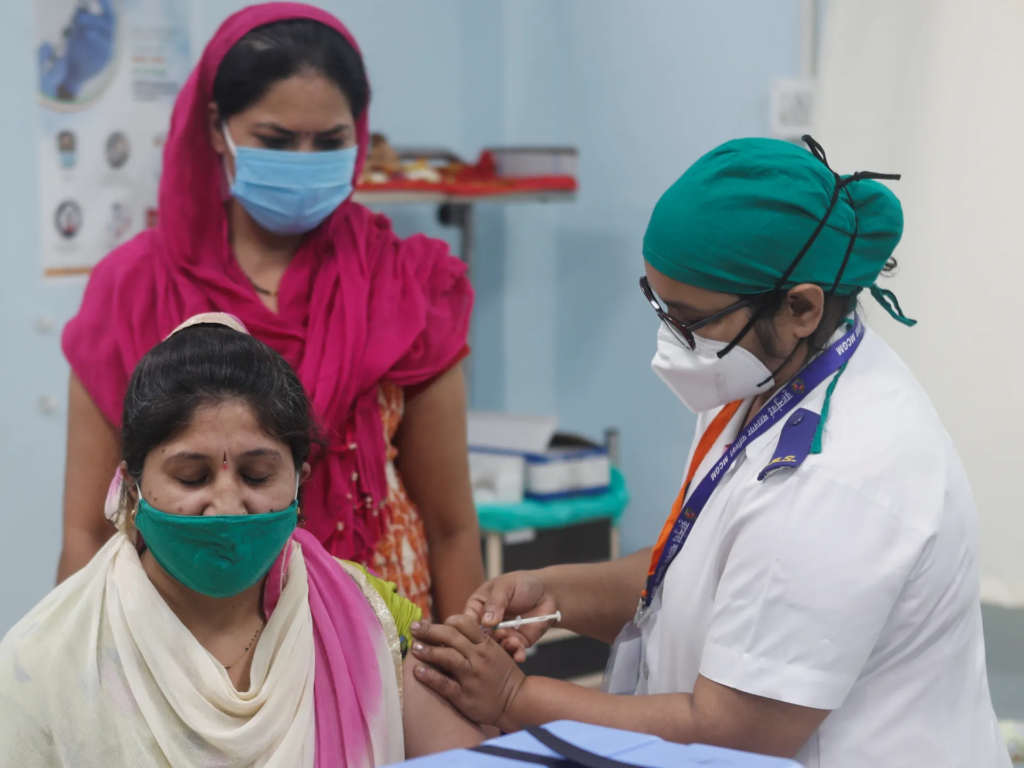
Understanding the Nipah Virus
Nipah virus was first identified during an outbreak in Malaysia in 1998–99 and has since caused periodic outbreaks in South and Southeast Asia. The World Health Organization (WHO) classifies it as a priority pathogen because of its high fatality rate and potential for epidemic spread in healthcare settings.
Nipah virus is a zoonotic virus that spreads from animals to humans and can also transmit between people. It is primarily carried by fruit bats of the Pteropus genus. According to the World Health Organization (WHO), Nipah virus infection can cause severe respiratory illness and fatal encephalitis.
Symptoms typically include fever, headache, breathing difficulty, confusion, and in severe cases, brain inflammation. The virus has a high case fatality rate, often ranging between 40% and 75%, depending on healthcare response and early detection.
India has previously reported Nipah outbreaks in Kerala, where health authorities implemented strict containment strategies.
State Response and Containment Measures
The West Bengal Health Department, in coordination with the Integrated Disease Surveillance Programme (IDSP), has launched contact tracing operations. Officials confirmed that all primary contacts of the deceased nurse have been identified and placed under medical observation.
The state’s Health Secretary announced that rapid response teams were deployed to monitor possible symptoms among healthcare workers and community members. Samples from suspected cases are being sent to authorised virology laboratories for confirmation.
Hospital administrators have strengthened infection prevention protocols, including mandatory use of personal protective equipment (PPE), enhanced sanitation measures, and restricted visitor access.
Healthcare Worker Safety Under Focus
This incident has drawn attention to the vulnerability of frontline healthcare workers. Medical staff often face exposure to infectious diseases while providing treatment. Experts from the National Centre for Disease Control (NCDC) emphasise the importance of strict adherence to infection control guidelines.
Healthcare policy analysts note that early detection, protective gear availability, and regular training sessions are essential to prevent transmission within hospital settings.
The Indian Council of Medical Research (ICMR) has previously issued advisories on managing Nipah virus cases, including isolation wards and barrier nursing practices.

No Evidence of Community Spread
Authorities have clarified that there is currently no evidence of community transmission. The district surveillance officer confirmed that surveillance efforts have not identified additional confirmed cases beyond the two nurses.
Public health experts stress that early containment is crucial. Past outbreaks in India showed that quick isolation and public awareness significantly reduce spread.
The state government has urged citizens not to panic and to rely only on verified information from official health bulletins.
Symptoms, Prevention, and Public Awareness
Health officials advise individuals to seek medical attention if they experience persistent fever, severe headache, or breathing difficulty. Avoiding contact with sick animals, maintaining hygiene, and consuming properly washed fruits are key preventive steps.
Hospitals have issued advisories discouraging self-medication and encouraging immediate reporting of unusual symptoms.
Public health communication teams are working to spread awareness without creating fear. Officials emphasise that preparedness and vigilance, not panic, are the correct responses.
Social Impact and Emotional Toll
The death of a young nurse has deeply affected the healthcare community. Colleagues described her as dedicated and hardworking. Frontline workers often risk their own safety to protect public health.
Mental health professionals highlight the emotional strain on healthcare staff working under outbreak conditions. Continuous exposure to risk can cause stress, anxiety, and burnout.
Public health advocates argue that governments must strengthen both physical safety systems and psychological support mechanisms for medical personnel.
Key Highlights
- West Bengal confirmed the first Nipah virus–related death in recent years.
- A 25-year-old nurse died after complications linked to the infection.
- Two nurses tested positive; one recovered.
- Health authorities launched contact tracing and surveillance measures.
- No evidence of community spread so far.
- Infection control protocols have been reinforced across hospitals.
Lessons for Public Health Preparedness
This incident underscores the need for continuous disease surveillance, rapid testing facilities, and healthcare worker protection. Emerging infectious diseases demand strong coordination between state governments, national health bodies, and medical institutions.
India’s experience with Nipah virus in previous years demonstrates that early containment strategies work when implemented swiftly. Strengthening laboratory capacity, protective infrastructure, and public communication channels can prevent escalation.
The West Bengal Health Department continues to monitor the situation closely. Officials assure that containment measures remain active and transparent updates will follow.
The loss of a young healthcare professional reminds society of the risks faced by those who serve in critical health roles. Preparedness, transparency, and solidarity remain the strongest tools against emerging infectious threats.
Clear Cut Health Desk
New Delhi, UPDATED: Feb 16, 2026 01:00 IST
Written By: Samiksha Shambharkar