- The Ken-Betwa Link Project aims to address Bundelkhand’s water scarcity through irrigation, drinking water supply, and power generation, making it India’s first major river interlinking project.
- Despite its benefits, the project has raised concerns over displacement, inadequate rehabilitation, forest loss, and threats to wildlife in the Panna Tiger Reserve.
- The debate highlights the challenge of balancing development with environmental conservation and the rights of affected communities.
The Ken-Betwa river link project has been promoted as a saviour for the drought-prone region of Bundelkhand. But for many families caught in its path, the mega project represents something else entirely: fear, dissent, and uncertainty. Billed as India’s first major river interlinking project to help with irrigation, drinking water, and hydroelectricity, it has sparked critical debates about displacement, forest devastation, and equitable development.
The project, which is to transfer water from the Ken to the Betwa river basin via the Daudhan dam and canal system, will cover two phases, the National Water Development Agency stated. The project will help irrigate about 10.62 lakh hectares and provide drinking water to nearly 62 lakh people. It would also generate hydropower and solar power, according to government projections. But in the real world, this has ignited a debate about which lives will be safeguarded, and who will have to sacrifice theirs.
That tension fuels the protest. Villages and community organisations have protested against forced evictions, inadequate compensation, and insufficient consultation during land acquisition. There are anecdotal accounts from the field of villagers’ fear that they could be uprooted from their homes and farms and that their right to common resources would be stripped away. Many villagers are asking less about whether Bundelkhand needs water and more about whether a central infrastructure project would offer water at the expense of their social security. The BBC’s reporting of the protests vividly conveys the ire, making it evident that the anti-project sentiment is rooted in mundane anxieties rather than abstract political questions. This is where the social angle cannot be ignored.
Displacement does not merely involve shifting people from one geographic location to another. It also entails the disruption of local economies, the weakening of kin networks, and the erosion of access to land and forests on which daily life and livelihood depend. In rural and tribal communities, displacement can involve the loss of livelihoods, access to food, fuelwood, and grazing resources, as well as seasonal employment. In the absence of functional substitutes, compensation documents can do little to repair such a collapse. A human rights report updated in 2026 highlighted the recurrence of protests against the project’s forced evictions and compensation issues.
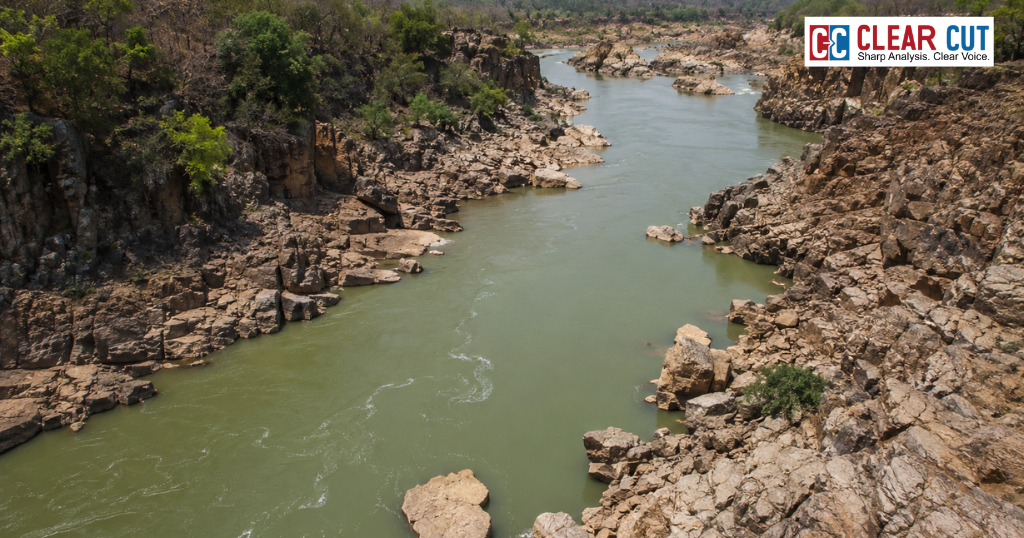
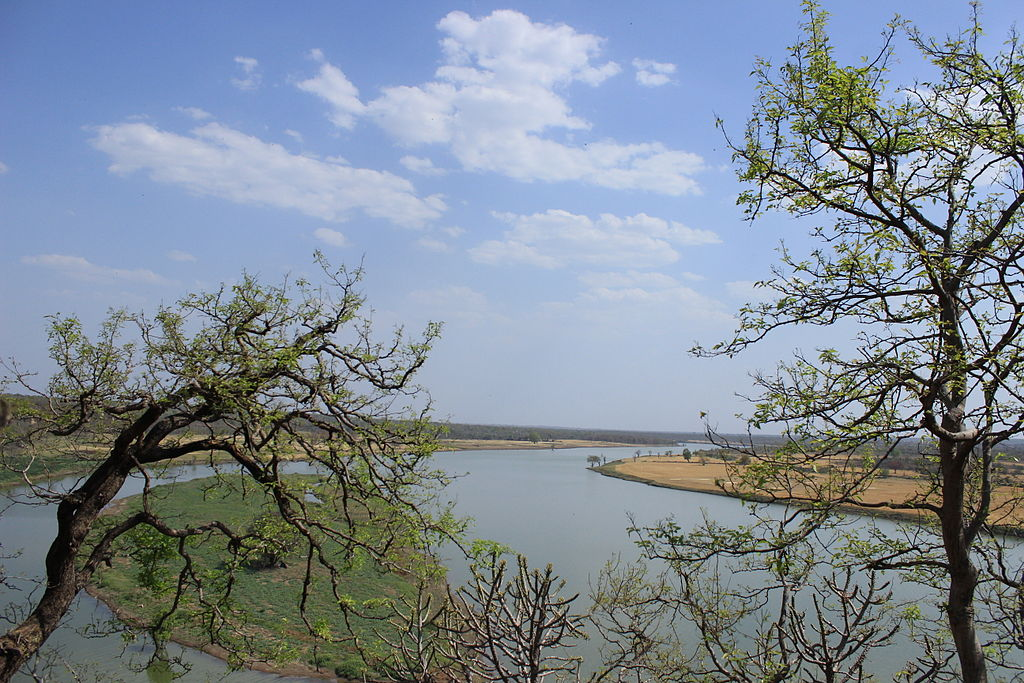
But ecological impacts raise the urgency even higher. The plan bisects a tract of land within the Panna landscape, a zone encompassing forests adjoining the Panna Tiger Reserve, which is already known to have problems with habitat fragmentation and deforestation. A project of this magnitude can irreparably damage a delicate landscape, experts said.
A report commissioned by the authorities said that no development project should cause habitat degradation in “prime tiger habitat” or “sensitive ecosystems.”
This is significant as deforestation is rarely just a problem for wildlife; it always impacts livelihoods too, the people whose survival depends on forest ecosystems.
A gender lens further deepens the crisis. Evidence from across India about displacement in the context of big development projects suggests women are most heavily affected by changes in village life. Studies on displacement following the construction of the Tehri Dam, for instance, revealed income loss, homelessness, reduced access to common property resources, and loss of social networks experienced by displaced women.
And the conclusion is obvious in this case too; in cases such as this, women and men may be displaced, but women lose social support networks and informal livelihoods, including access to natural resources, even more quickly. Rehabilitation should be measured not so much by promises of houses as by how women can maintain their day-to-day lives.
The Ken-Betwa argument also fits into a larger Indian history of dam-related water project controversy. Tehri and Narmada came to symbolize the clash between progress and justice at the national level, and Ken-Betwa is now part of that lineage. In every instance, the state has spoken the language of national requirements, but affected populations have responded in the language of land, honour, and sustenance. This divide, as it grows, fosters dissent and holds developmental practices hostage.
The argument from the project supporters – that Bundelkhand suffers from scarcity – is irrefutable. But that can’t overshadow the fundamental debate whether the development process is just when transferring the ownership of water and its attendant risks from vulnerable segments to vulnerable people. If genuine engagement, equitable restitution, adequate rehabilitation, and eco-protective measures are perceived as rituals to be bypassed, the project cannot be called a just success story.
The Ken-Betwa scheme is more than a river-linking project. It’s also about the nature of India’s development framework and its future. Is it possible to alleviate scarcity in a water-deficient zone and simultaneously burden communities residing in forest belts, lands used by agriculturists, and the property of tribals? Whether we answer this question in favour of forest dwellers, farmers, and tribal would make or break the project, turning it into a success or a symbol of development at a huge human cost.
Clear Cut Climate Desk
New Delhi, UPDATED: July 17, 2026 13:00 IST
Written By: Yatharth Pathak