

- India is strengthening student mental health support through initiatives such as MANODARPAN, UGC suicide-prevention guidelines, counselling centres and coaching-centre regulations.
- NEP 2020 places greater emphasis on students’ psychosocial well-being, skills and employability alongside academic achievement.
- Despite these efforts, the challenge remains significant, highlighting the need for early intervention, accessible counselling and greater openness around mental health.
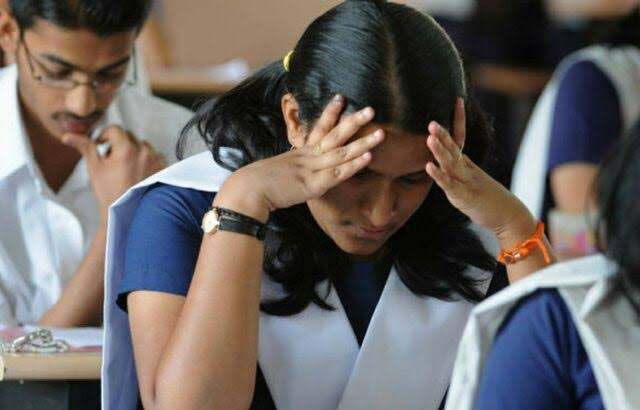
Somewhere in India this week, a student is staring at a phone screen, waiting for a result to load. For most, it will just be a number, a pass, a rank, a disappointment shaken off by dinner. But for some, it will feel like the only thing standing between them and a future worth living for. That’s the quiet truth behind a set of statistics the government was asked to explain in Parliament this week.
Every year, the National Crime Records Bureau compiles a report whose contents most of us will never even look at: The Accidental Deaths & Suicides in India report. This document contains the stories of students who didn’t pass their exams, their heartbreak, and their illnesses. What we find when we dig into the causes is unexciting and heart-wrenching: a fight at home, a breakup with their loved one, a sickness that did not seem to end, and the overwhelming thought of failure.
In response to a question in the Lok Sabha this week about what the government is doing to address this, the Minister of State for Education, Dr. Sukanta Majumdar, provided a written answer that is a chronicle of a system that is barely beginning to treat children as more than marks. It begins with an idea inside NEP 2020, the National Education Policy: that school shouldn’t just make you smart, it should make you whole. The policy speaks of compassion and character alongside employability, and tucked into that language is a promise that psychosocial well-being deserves as much attention as test scores.
And that promise became a form of life in MANODARPAN, a name that translates roughly as “mirror of the mind”. This is a free of cost toll-free helpline with counselors trained to hear out and help with empathy; from the student panicking because of exams, or the confused parents wondering how to begin the conversation with their kid; tele-sessions for Sahyog and the webinars of Paricharcha have been beaming out into the world on TV and online – ensuring every student in the remotest village is assured equal opportunity for their voice to be heard just like in a mega-city metro.
Universities have been asked to do their part, too. In 2023, the UGC circulated a national suicide prevention strategy, followed by guidelines that read like a checklist for empathy: keep students active, watch for signs of academic and peer pressure, and train staff to notice signs of struggle before it becomes a crisis. Months later, a more specific framework was introduced, asking every higher education institution to build real counseling services, early warning systems, and prevention protocols, with a promise that someone would later check whether any of it worked.
Next up was a surprise to many: regulation for coaching centres-the private tutoring empires where millions of teens pore over books into the evening hours, preparing for exams with a kind of pressure that would seem unfathomable to an adult. Even a city like Kota is becoming synonymous with it. The January 2024 guidelines mandate access to counseling services, reasonable fee policies, and no more batch-splitting based on aptitude, a subtle but significant tacit admission of how taxing it is to have children ranked and graded against one another, constantly.
On campuses, too, the message has filtered down to the familiar faces – those faces you spend so much of your time with, your teachers. Through the Malaviya Mission Teacher Training Programmes, teachers hold fortnightly meetings to study what once was thought to be a matter of instinct – when you notice that the once vocal one has become silently resigned, no longer in their seat anymore. There have already been over 4,000 trained teachers since 2024, with conclaves at IIT Hyderabad, IIT Bombay, and most recently, IIT Madras, bringing campus leaders and counselors to share notes. Nearly every IIT, IIM, NIT and IIIT now boasts a mental health centre with counselors, psychologists or psychiatrists – not a loud one, but one that represents an essential sea change from the time when stepping out to seek help on campus would invite hushed conversations and judgmental glances.
Several organizations now hold sessions designed to de-normalize struggling, so that college students are no longer under the impression that if they cannot keep up, they must be deficient; alternatively, such issues warrant open discussion. Even less obviously: while many anxieties do hinge on a grade, quite a few do not-they instead turn on the question of what post-college life may even look like for the student or degree holder. Whether a university-provided diploma leads a student anywhere, whether several years ‘worth of work amounts to a life.
New Educational Policy 2020 integrated skill training into the curriculum, so that students would no longer toss and turn, asking whether a college graduate actually goes anywhere once the commencement address has been heard. The National Apprenticeship Training Scheme can further help transform a degree into a gainful occupation.
None of this erases the numbers in that NCRB report. A helpline can’t undo a broken heart. A counseling centre can’t guarantee someone will walk through its door. But somewhere in this long list of policies is a simple, overdue idea that a student’s mind deserves as much care as their marksheet, and that noticing someone in time might be the difference between a bad year and a life cut short.
If you or someone you know is struggling with thoughts of suicide or emotional distress, please reach out to a mental health professional, a trusted person, or a helpline for support.
Clear Cut Health Desk
New Delhi, UPDATED: August 14, 2026 09:00 IST
Written By: Anaina Tomy
Designation: Senior Research Associate at Devinsights