
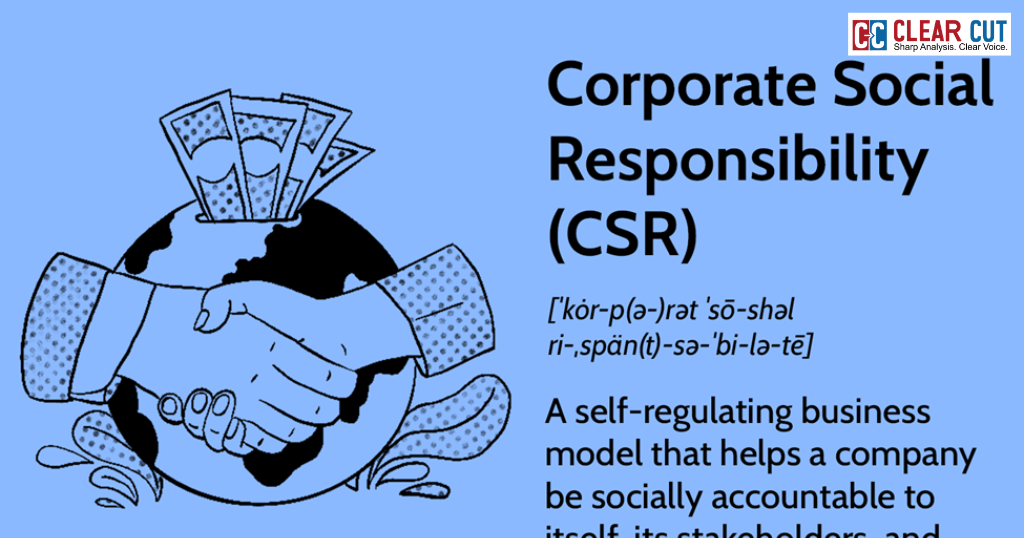
India’s CSR spending has surged to ₹22,212 crore, reflecting stronger compliance and ESG alignment. However, gaps in regional distribution and lack of impact measurement mean the real social outcomes remain unclear.
The Number and What It Misses
NSE-listed companies poured Rs 22,212 crore into CSR in FY2024-25. That’s a 23% jump from last year’s Rs 18,011 crore, according to primeinfobase, with India CSR covering the numbers in April 2026. It’s one of the biggest leaps since the Companies Act made corporate social responsibility mandatory back in 2014. Looking at all qualifying companies together, Fulcrum’s Bharat CSR Performance Report pegged total CSR spend in FY2023-24 at Rs 34,909 crore. The direction is clear: Indian corporates are pushing more money into social projects than ever before.
What’s fueling the surge? Well, corporate profits are up. Plus, changes to the Companies Act in 2021 tightened the rules, companies now have to transfer unspent CSR funds straight to government accounts, so they can’t quietly defer spending anymore. And there’s been this cultural shift too. Smile Foundation’s 2026 report highlights how CSR is increasingly tied to ESG disclosures as investors are paying closer attention. CSR, as Drishti IAS said in a 2026 policy brief, isn’t just philanthropy now; it’s National Development Capital. Heavy hitters like Reliance Industries and TCS reflect this change, spending Rs 2,156 crore and Rs 960 crore respectively last year, according to Smile Foundation data. Honestly, their outsized contributions skew the numbers.

What the Spending Still Doesn’t Fix
Here’s where the numbers fall short. Two big issues with India’s CSR framework haven’t budged, even with more money coming in. One: geography. Maharashtra grabs over one-third of all CSR funds and MCA data confirms it. But regions with the toughest conditions where child malnutrition is high, women’s literacy is low, and jobs are scarce, barely see a trickle in comparison. Despite the 23% jump in spending, there’s still no policy to channel funds toward these neglected areas.
Two: what about impact? The reporting system, the MCA’s CSR-2 form and SEBI’s sustainability disclosures counts how much is spent and how many beneficiaries were reached. What it doesn’t track? Real outcomes. R. Pavithra Kumar, CEO at JSW Foundation and former Tata Trusts director, nailed the problem in an India CSR interview: counting beneficiaries is useful, but it rarely shows how much real change is happening. Take Samsung India’s example they spent Rs 193.89 crore last year, reached 1.5 million people with education and skill training, and their programs are sustained and well-documented. But that’s just one company. The big Rs 22,212 crore figure doesn’t answer whether the rest delivered results to match.
Wrapping Up
Spending Rs 22,212 crore in a single year? That’s a genuine achievement for corporate social investment in India. It shows the regulatory framework is solidifying, boards are getting serious, and loopholes are closing. But here’s the problem: we still lack a system that shows policymakers, investors, or NGOs whether this surge in funding brought commensurate social progress. As Subhash Chennuri from FSG Asia pointed out, Asian companies are under increasing pressure to prove they’re making a difference, shifting corporate philanthropy from occasional acts to strategic, ESG-aligned work. The money’s flowing in; now it’s time to build the accountability system that can actually track its impact.
Clear Cut CSR Desk
New Delhi, UPDATED: April 25, 2026 09:00 IST
Written By: Jay