CCL’s CSR investments in Jharkhand deliver real impact in nutrition, health, and education, but also expose deeper gaps in public investment in resource-rich regions.
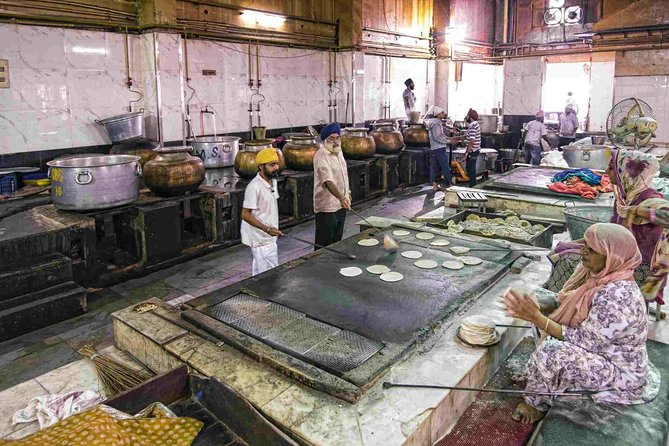
Central Coalfields Limited (CCL), a Coal India subsidiary working in Jharkhand’s mineral belt, recently published its CSR spending for FY2025-26. The numbers are striking. One of the headline projects: a Rs 15.09 crore mega kitchen in Ramgarh, a collaboration with the Akshaya Patra Foundation, set up to provide daily meals for 50,000 children a direct push against the state’s deep-set malnutrition crisis. Over in Chatra and Latehar, the Nikshay Mitra TB support programme now reaches 5,140 patients, delivering nutritional supplements and care. CCL has put Rs 2.93 crore into this effort. There’s also a Rs 65 crore library taking shape in Ranchi, designed to hold 5,000 users at a time intended as a regional powerhouse for learning and knowledge.
Then there are the CCL ke Lal and CCL ki Ladli schemes: 308 underprivileged students received coaching for entrance exams, and 219 of them now study engineering, with CCL investing about Rs 1.8 lakh per student each year. In Hazaribagh, across nine villages, a Rs 5.41 crore project works to build sustainable incomes for about 5,000 families through agriculture, livestock, and new micro-enterprises.
These aren’t trivial sums, and these programmes, largely, aren’t shallow gestures. Akshaya Patra has a solid reputation for large-scale delivery. The TB programme ties into the government’s Nikshay Mitra model. CCL’s funding for student coaching is significant, hardly token. CMD Nilendu Kumar Singh makes the case that CCL is “more than just a mining enterprise,” and these efforts give substance to that claim.
But step back, and the picture complicates. Compared to what mining companies often do, this looks solid. Compared to what Jharkhand needs, it’s more ambiguous. By any standard, Jharkhand struggles: its Human Development Index is among the lowest in India; the last National Family Health Survey puts child stunting at 47.8 percent and wasting at 22.4 percent which are disastrous numbers. The state’s tribal population is vast, 26 percent according to the 2011 census, and land rights remain unresolved, with Forest Rights Act implementation lagging badly.
So yes, a coal company funding daily meals for 50,000 kids and building a Rs 65 crore library in a place where half the children are stunted is doing something vitally important. At the same time, CCL is plugging holes that shouldn’t exist. Jharkhand is loaded with mineral wealth such as coal, iron ore, copper, mica but the local health and education budgets simply don’t reflect that bounty. Mineral revenues flow to the central government, not back to the state in proportion.
The Companies Act obliges CCL to invest in nearby communities, and by the standards of the extractive sector, these are impressive efforts. Still, there’s a larger discomfort. Why has it fallen to a mining company to serve as the principal provider of essential nutrition, TB care, and even basic education infrastructure for people who live beside some of the country’s richest resources? That’s not a question this or any CSR plan can answer.
In the end, CCL’s latest CSR programme in Jharkhand is notable for its scale, focus, and follow-through. The mega kitchen, the library, the TB outreach these are real, tangible contributions where alternatives are vanishingly few. But these projects also throw into sharp relief a bigger reality: in many parts of India, especially where mining and extraction dominate, corporate social programmes have become substitutes for the kind of consistent public investment that would make these hand-offs unnecessary. Both truths matter. Recognizing the quality of CCL’s work doesn’t mean ignoring the larger, unresolved story around resource allocation and development. That’s the fuller picture, and it shouldn’t be overlooked.
Clear Cut CSR Desk
New Delhi, UPDATED: April 27, 2026 09:00 IST
Written By: JAY