
Traditional aid is rapidly declining as global funding gaps widen, leaving developing countries like Bangladesh with fewer resources just as their financial needs grow. Emerging solutions like pooled funding and local capital remain promising but are still far from filling the gap.
The Sentence That Changed the Register
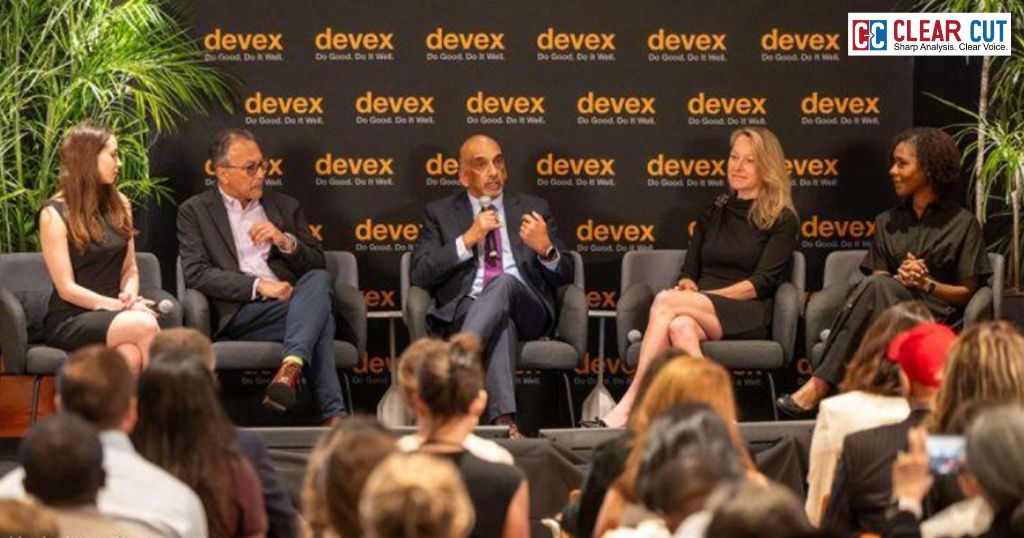
On April 17, 2026, Devex, the industry staple for people in international development, ran a headline that landed with real weight: “Money Matters: Traditional aid is over.” Now, this wasn’t a clickbait headline or an ideological shot across the bow. Devex doesn’t do polemics. It’s where program officers, country directors, and institutional leads get their news. When Devex says a model is done, it’s not planting a flag so much as reading the room. The shift in thinking had been building for years, but by now, it’s solid enough to state outright.
The traditional aid framework, such as donor governments funding governments or NGOs, expecting policy alignment and lots of boxes ticked for donor priorities, has been fraying at the edges for over a decade. The heavy aid cuts in 2025 and 2026 didn’t cause this unraveling; they sped it up. After those cuts, pretending all this is just a temporary blip doesn’t hold up anymore. Last week, the World Bank’s Spring Meetings wrapped up (on April 18), and the institutional language echoed the same change. Devex reported new details about the Bank’s reorganization and a new platform for borrowing countries, described as giving them “a bit of agency.” That phrase sticks out, institutional speak that quietly admits just how far the system has moved from its own ideals.
What Bangladesh Said Today
Today, April 26, at the ECOSOC Financing for Development Forum at the UN in New York, Bangladesh’s Permanent Representative Salahuddin Noman Chowdhury called for, in his words, “urgent global action to narrow the widening SDG financing gap and build a fair, inclusive financial system,” according to BSS News. Bangladesh has hit a tricky milestone: it’s graduating from Least Developed Country status. That means losing easier trade terms and financing options, right as the broader financing landscape is getting tighter. The LDC graduation pathways were designed for a world with growing development finance and meaningful trade support. That’s not today’s world. The UN’s 2026 Financing for Sustainable Development Report spells it out: the gap is growing, not shrinking. UN Under-Secretary-General Li Junhua didn’t sugarcoat it at the launch on April 9; he said plainly, “Regrettably, the financing gap is widening.”
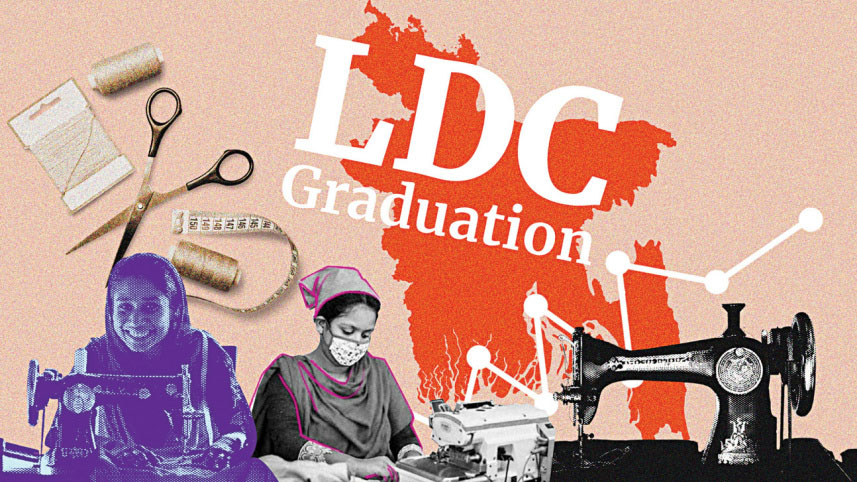
Bangladesh’s situation nails the core dilemma. After all the progress, the country now gets less support, just as investments for its next stage of growth are harder to find. It isn’t just Bangladesh. More countries are losing concessional access at the very same time private investors are raising the bar on where they put their money.
What Pooled Funding Models Are Attempting
Here’s one of the main responses that came out of the Spring Meetings. Nidhi Sahni of Bridgespan Group wrote in Devex on April 17 that pooled funding, where multiple donors put their money into one pot and share governance, helps “unlock more giving by reducing risk, accelerating decision-making, and aligning philanthropy with governments to support systems at scale.” While it can’t replace lost government-to-government finance (philanthropy just can’t scale that way), this approach can make the money that is there go further by cutting through fragmentation.
Samaila Zubairu, Secretary-General of the Africa Finance Corporation, brought up a related problem: Africa’s own pension and insurance capital could be a game-changer for infrastructure, but most of it “remains largely on the sidelines,” as Devex reported. Local institutional capital in developing countries, the money already there but not invested where it’s really needed, is where the big hopes lie for filling that SDG investment gap. Getting this capital moving needs regulators and multilateral banks to finally roll out the de-risking tools and reforms they’ve been talking about. So far, that’s more promise than practice.
Conclusion
“Traditional aid is over” describes a funding system, not the needs that drove it. Those needs have not gone away. From Bangladesh’s plea at ECOSOC, to the UN’s April finance report, to last week’s World Bank restructuring, the message is the same: the old machinery for moving money from rich to poor countries isn’t up to the job. The substitutes, pooled philanthropy, local capital, and risk-sharing mechanisms are promising but nowhere near the scale demanded. Right now, there’s a gap between the old model collapsing and the new one kicking in; it’s in that gap where the world’s most vulnerable people find themselves. Recognizing what’s finished is necessary, but it’s nowhere near enough.
Clear Cut Research Desk
New Delhi, UPDATED: April 27, 2026 01:00 IST
Written By: JAY