
- AI-powered 3D imaging and robotic surgery are making prostate cancer operations more precise, improving tumour removal while helping preserve surrounding nerves and tissues.
- Despite these advances, late diagnosis, high treatment costs, limited robotic surgery centres, and unequal healthcare access mean many patients in India still cannot benefit from the latest technology.
India’s prostate cancer surgeries are getting more precise. Whether patients can reach the operating table at all remains a separate, and far less technical, problem.
As recently as 1990, the rate of prostate cancer was 11th in India, while today, according to the National Cancer Registry Programme, it is the third most common in the country, with one out of every 125 Indian males likely to be diagnosed in their lifetime. 60 percent of the world’s prostate cancer cases are from South-Central Asia. Prostate cancer is rising in India, but this is not unusual – the Lancet Commission on Prostate Cancer estimates worldwide annual cases will double from 1.4 million in 2020 to 2.9 million in 2040. 80 percent of these new cases will be from low-and middle-income countries.
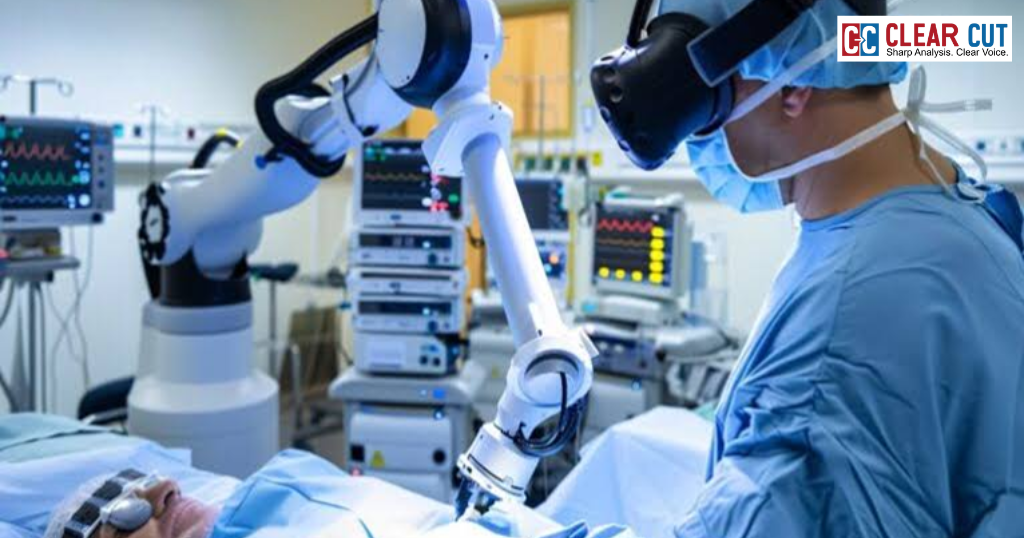
The medicine’s response: make the surgery sharper. The latest in such advances, a recent BW Healthcare world feature by robotic urologist Dr. Mallikarjuna C of Asian Institute of Nephrology and Urology, Hyderabad – details how a pre-op MRI is change into a live, 3D projection of the patient’s prostate which can be viewed on the console, allowing a surgeon to see the margins of the tumour, nearby nerves etc in real-time rather than depending on a memory of the scans. Additional navigation systems help in continuing to update that image, as tissues change during the surgery, even as a hidden AI system plays three roles: assisting in the decision whether a person requires a surgery at all, or regular screening only; creating the real-time overlaid image and; analysing post-op tissue samples for any early signs of re-growth. None of these replace a surgeon’s decision-making, Dr. Mallikarjuna notes- they are, to put it simply, “a bit like giving a very good pilot a better instrument panel.”
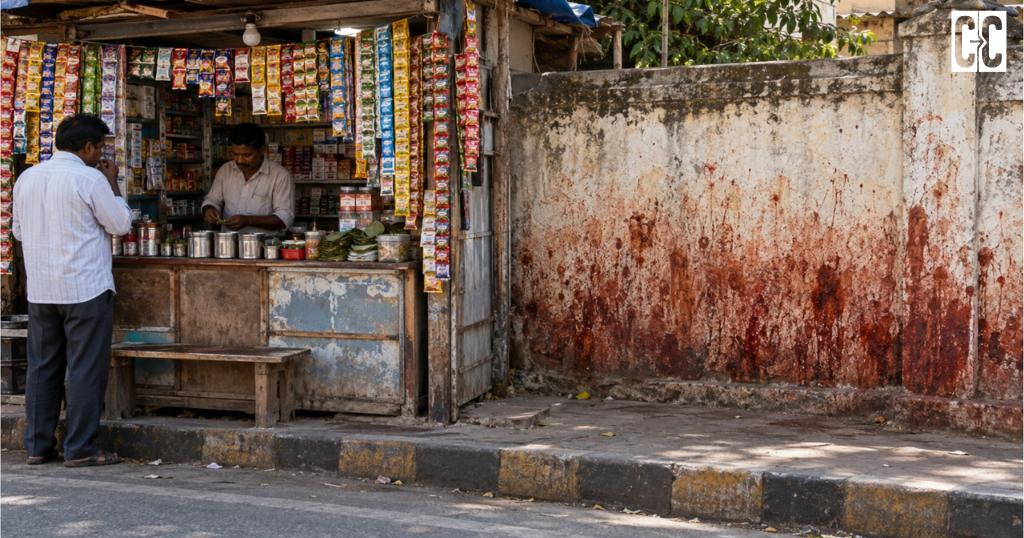
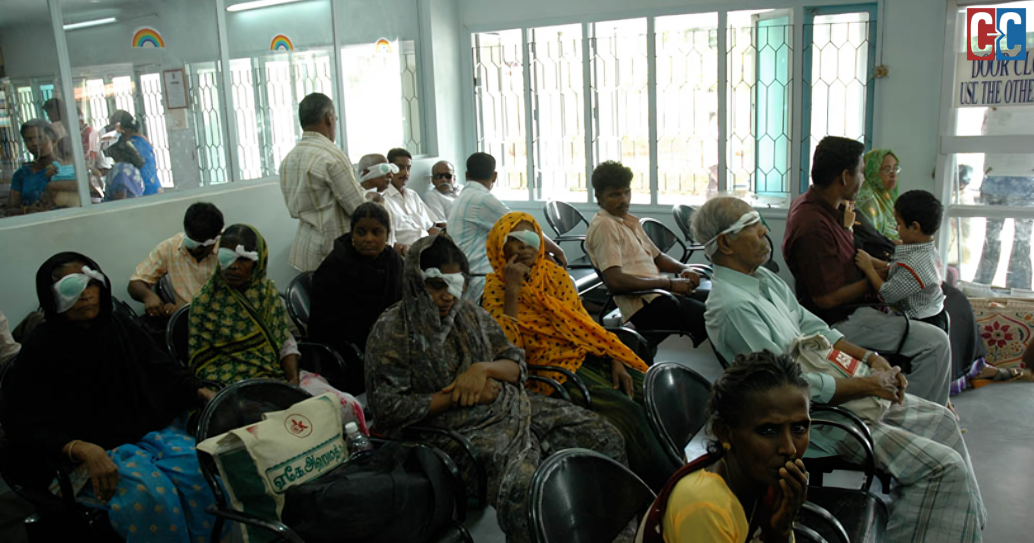
That instrument panel can only help the patients who actually make it to the operating room, and in India, many never, or at least not in time. Roughly 43 percent of Indian prostate cancers are still detected after the cancer has left the gland, mostly because organized PSA screening isn’t standard practice except in the largest cities. Geography also limits who gets surgery. According to an industry estimate from Indian Healthcare, there are fewer than 300 specialists trained in robotic surgery in India, and most of them work in large cities. Bringing one system into a hospital requires a 10-15 crore upfront price and costs up to 1 crore annually to keep it running. They inevitably pass these costs along, making robotic surgery approximately one-third to one-half more expensive than standard minimally invasive procedures. The added cost seems steep for a 5-lakh annual family limit under Ayushman Bharat, India’s transformative, universal health insurance program for 120 million of the nation’s poorest families. However, this is not the setup to cover technologically demanding surgery. Public hospitals do make a dent. AIIMS New Delhi has been performing robotic surgeries since 2010, and its surgery department was the first at any government hospital in India to perform more than 1,000 such surgeries. However, this remains uncommon, and affordable Indian alternatives, such as the SSI Mantra system, have only recently begun to arrive in smaller towns.
Here, India isn’t exceptional. The country where this technology is most developed – the U.S. – demonstrates the same bias, but with different variables. An Impact of Social Determinants of Health on Post-operative Outcomes Following Robotic Radical Prostatectomy review of 18 studies concluded that robot-assisted radical prostatectomies (RARP) were performed less often on patients from less privileged backgrounds, women, and those living in non-urban areas. Those patients were also found to do worse on the technology than their more affluent counterparts. Using national patient data for hundreds of thousands of U.S. Males, those living in zip codes with less-educated residents received RARP less often. Another large data set Study identifies racial disparities for men with prostate cancer undergoing-radical-prostatectomy it discovered that men with prostatectomies who were Black were 51 percent more likely to die than those who were white, even after accounting for income, education, and insurance type.
The Lancet Commission sums this up with a striking observation about money versus geography: just because a country is rich doesn’t mean its patients all receive timely care. Wealthy patients in low-income countries often receive outstanding care, whereas in America, many people can’t get it because of their insurance. “Late diagnosis of prostate cancer is the norm”, said Professor James N’Dow, whose work with the Commission focused on diagnosis and screening. “It is for that reason that the Commission is advocating for surgical-training hubs and locally adaptable care models as opposed to investing more in higher-technology equipment alone.” An AI margin check or a 3-D intraoperative overlay might actually make the hand on the scalpel steadier, but all of the less visible, often painful work – screening drives, the implementation of insurance plans that accurately reflect the costs of the best treatment, and the creation of training programs extending beyond regional hubs – determines whether those patients even reach that scalpel in the first place.
Clear Cut Health Desk
New Delhi, UPDATED: July 06, 2026 05:30 IST
Written By: Yatharth Pathak