
Ayushman Bharat, through PM-JAY, is transforming healthcare in India by providing free, cashless treatment to millions of vulnerable families. It is reducing financial burden and expanding access to quality medical services across the country.
When Illness Meant Financial Ruin
In India, getting sick was expensive. For families living below or just above the poverty line, one hospital stay could wipe out months of savings. Private care was unaffordable. Public hospitals were overcrowded and under-resourced. Millions simply went without treatment and hoped for the best. That reality began to change in September 2018, when the Government of India launched Pradhan Mantri Jan Arogya Yojana better known as PM-JAY, the health insurance backbone of the Ayushman Bharat scheme.
What the Scheme Offers
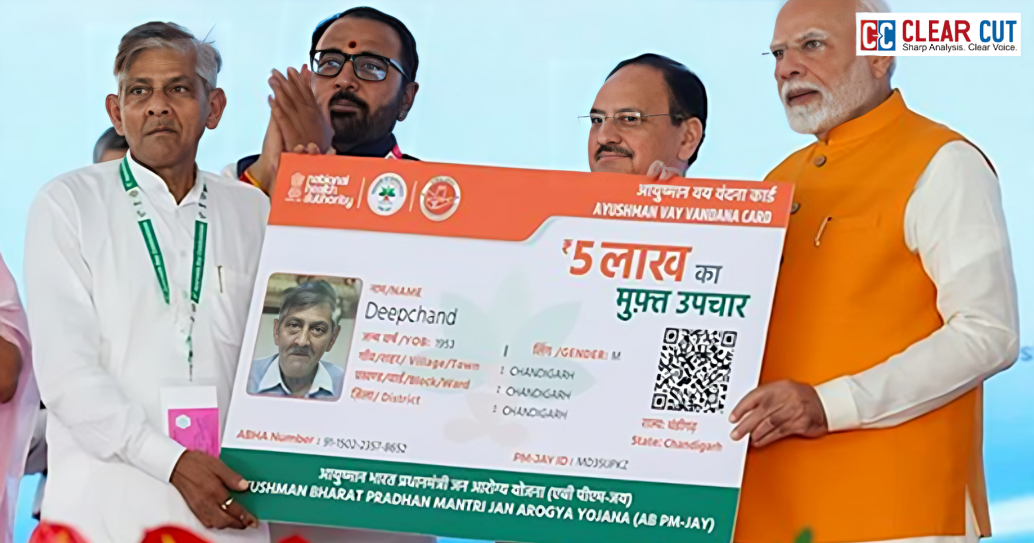
PM-JAY provides up to Rs 5 lakh per family per year for secondary and tertiary hospitalisation. It covers 55 crore beneficiaries across 12 crore poor and vulnerable families. The bottom 40 percent of India’s population.
There are no restrictions on family size, age, or pre-existing conditions. Beneficiaries use the Ayushman Bharat card to access cashless treatment at any of the 29,000+ empanelled hospitals across the country. The scheme covers over 1,900 medical procedures, from joint replacements and cardiac surgeries to cancer treatment and dialysis. It is, by any measure, the world’s largest publicly funded health assurance programme.

Health and Wellness Centres: Primary Care at Your Doorstep
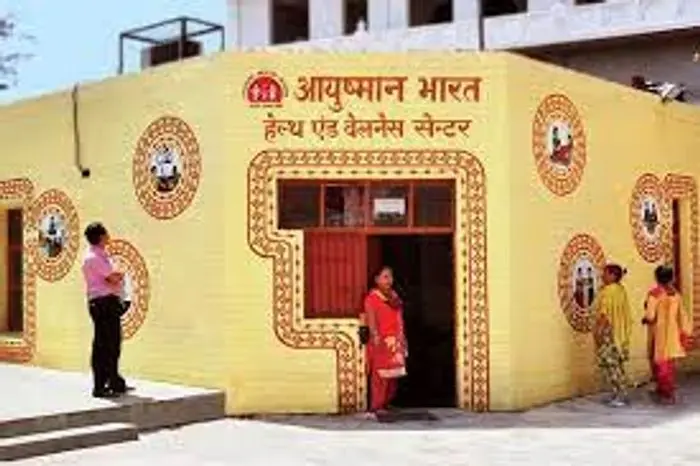
PM-JAY addresses hospitalisation. But Ayushman Bharat goes further with its second part, Health and Wellness Centres (HWCs).
These centres transform existing sub-health centres and primary health facilities into comprehensive care hubs. They offer services ranging from general consultations and maternal care to mental health support, oral health, and palliative care. As of 2024, over 1.6 lakh HWCs are operational across India. In rural and tribal areas, they are often the first, and only, formal medical touchpoint available to communities.
The Numbers Tell the Story
Since launch, PM-JAY has authorised over 7 crore hospital admissions. The total treatment cost covered by the government exceeds Rs 90,000 crore.
In many states, women account for nearly half of all beneficiaries. A strong sign that the scheme is reaching those who previously had the least access to institutional healthcare. Studies indicate a meaningful reduction in out-of-pocket hospitalisation expenses among enrolled families. For households that once borrowed money to afford treatment, this is a genuine lifeline.
What Still Needs Work
Challenges remain. Fraud detection, uneven hospital empanelment across states, and delays in claim settlement are ongoing concerns that the programme continues to address. Rural areas still lack enough specialists and diagnostic facilities. Awareness about benefits, particularly among elderly populations and women, requires sustained outreach effort.
The government’s response includes the Ayushman Bharat Digital Mission, which links health records, prescriptions, and diagnostic data under a unified digital health identity for every citizen. It is a long-term investment in quality and accountability.
A Programme That Stands for Something Larger
Ayushman Bharat is not perfect. No programme serving hundreds of millions of people can be. But it stands for a clear and consistent commitment: that where you are born should not figure out whether you receive medical care.
The scheme has pushed both public hospitals and private providers to expand access. It has made health insurance a lived reality for families who had never met the concept before.
And it has done something more important than any statistic. It has told India’s poorest citizens that when they fall sick, the state will not look away.
References
https://pmc.ncbi.nlm.nih.gov/articles/PMC11321205
Clear Cut Health, CSR Desk
New Delhi, UPDATED: April 04, 2026 05:20 IST
Written By: Jay