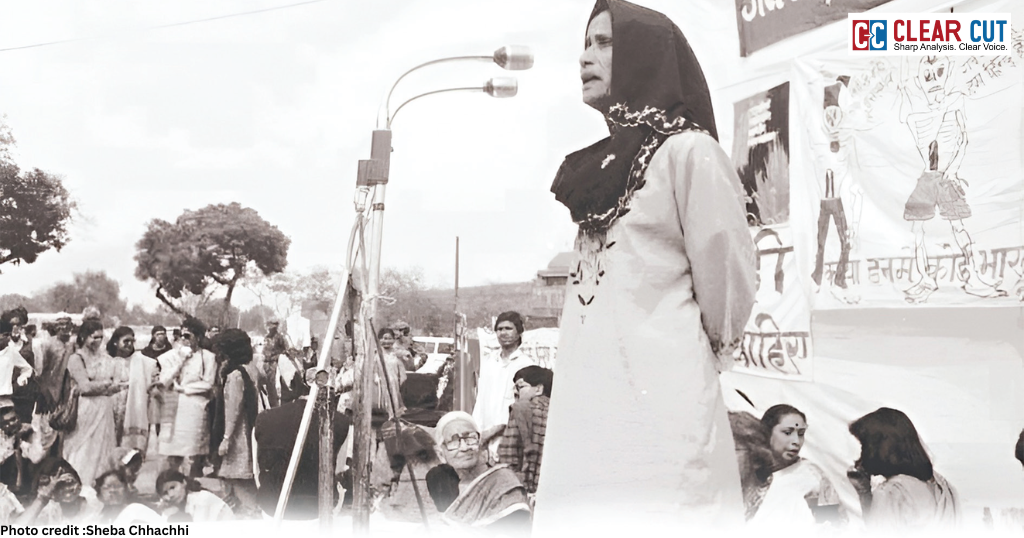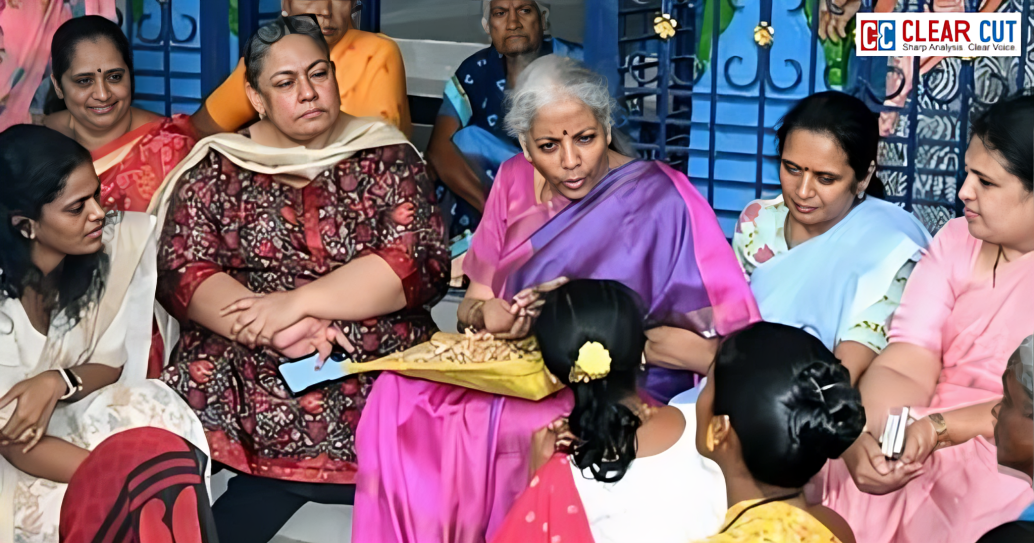


Menstrual health has traditionally remained a silent subject in India. Girls have, over the years, been taught to maintain their cycle in silence without much guidance, clean toilets, or affordable products to cope with them. But over the last few years, something gentle and hopeful has begun to shift. Through a spate of government programmes, school initiatives, and awareness drives, menstrual health is gradually finding a place in public conversation.
Reaching Girls Through Simple Support
The Scheme for Promotion of Menstrual Hygiene is carried out by the government throughout India for adolescent girls in the age group of 10 to 19 years. This includes providing sanitary napkins at subsidized cost with the help of ASHAs and health workers, particularly in rural areas. In 2024, the Health Ministry informed that millions of packs have been distributed to ensure even girls hailing from economically weaker sections can manage their periods in the safest possible ways.
For many families, even a small monthly expense for sanitary products feels heavy. The prospect of a subsidised pack given by a familiar ASHA worker can make all the difference. These are small interventions but they strengthen a girl’s dignity, confidence and schooling.
Building Awareness One Conversation at a Time
In May 2025, a Menstrual Health and Hygiene Conclave was organized in IIT Bhubaneswar, where researchers, health experts, and teachers discussed how menstrual health education can reach the classrooms more effectively. One of the strongest messages from that event was simple: information must be easy, relatable, and fear-free.
This already is happening across districts. In September 2025, Koriya district in Chhattisgarh conducted menstrual-hygiene and anaemia awareness camps. Schoolgirls were counselled about nutritious diets, safe practices and emotional ease associated with their periods. Teachers and nurses explained things in everyday language; girls were not embarrassed to ask questions.
When the girl understands her own body, silence loses its power.
Why School Infrastructure Still Matters
Many efforts have also concentrated on the improvement of toilets and the disposal systems in government schools. The state and district authorities, enthused by central guidelines, have been upgrading girls’ toilets, adding dustbins, installing incinerators, and ensuring water availability. It may sound like a small improvement, but safe toilets often decide if a girl attends school during her period.
There are countless stories about girls who have missed classes because their schools lacked privacy or had broken doors. A working toilet can quietly alter the trajectory of a girl’s education. Sometimes progress begins with something as basic as a clean corner where a girl can feel safe.
Women Supporting Women
Across India, women’s self-help groups have started producing low-cost sanitary pads and reusable products. Many are receiving support through rural-development schemes. These groups provide two kinds of strength: they give women income and they supply hygienic menstrual products to their own communities.
There is trust when a pad is made by women from the same village. There is comfort. There is pride.
A Gradual yet Meaningful Transformation
India has not announced one big national mission that changes everything at once. Instead, the country is moving through many small pathways as subsidised pads through ASHAs, school awareness sessions, district-level campaigns, better toilets and community production units.
Each step touches one girl, one family, one school at a time. Change spreads quietly, the way seeds take root before anyone notices fresh leaves.
Menstrual health is not just an issue of health; it is an issue of dignity, education, and equal opportunity. A girl who manages her period with comfort attends school more regularly, participates in sports, and moves in the world with confidence. The growing menstrual-health effort in India reminds us that progress doesn’t always arrive as a headline. Sometimes it comes in a small packet delivered by an ASHA worker, a kind word from a teacher, or a clean school toilet that makes a young girl feel seen and respected. And these small changes, together, create a healthier and more hopeful future.
Clear Cut Gender Desk
New Delhi, UPDATED: Nov 18, 2025 02:57 IST
Written By: Janmojaya Barik