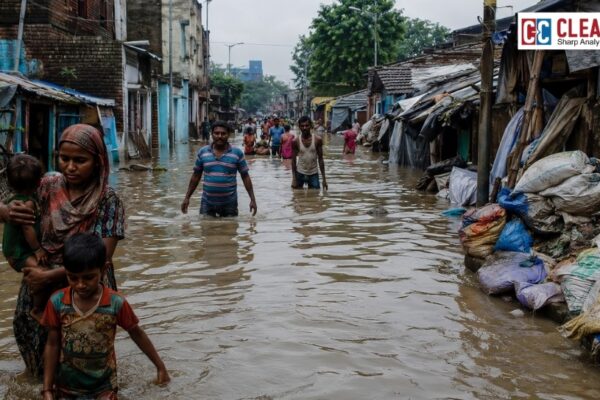
Beyond the Floods: The Hidden Public Health Crisis of Heavy Rainfall in India
India’s monsoon season brings more than floods—it also triggers a surge in waterborne diseases, mental health challenges, and public health emergencies.



India’s monsoon season brings more than floods—it also triggers a surge in waterborne diseases, mental health challenges, and public health emergencies.
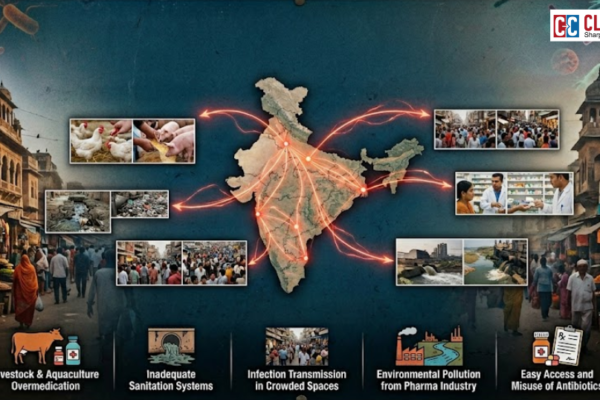
Imagine visiting a medical facility for a common urinary tract infection, an infection treatable for years, only to be informed that the antibiotic which are usually prescribed no longer work effectively. No dramatisation, no alarmist escalation, just a quiet clinical statement that the drug cannot help. This is not the stuff of futuristic dystopias, but…
Delhi plans to make leprosy a notifiable disease to improve surveillance, uncover hidden cases, and stop transmission. Despite being declared eliminated, rising cases and child infections show the disease still persists and needs urgent attention. Even though some diseases are not the deadliest, governments keep a careful eye on them by mandating that all cases…
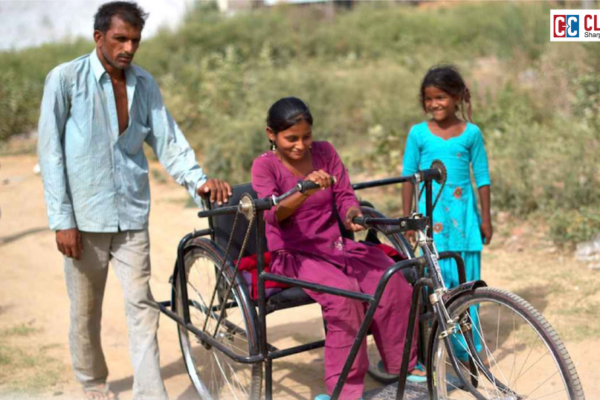
Disability in rural India is widespread but underserved, with limited access to physiotherapy and rehabilitation due to infrastructure gaps, stigma, and low awareness. These challenges are further intensified by poverty, distance, and gender inequality, restricting care and social inclusion. Disability in India is both a public health challenge and a social issue shaped by geography,…
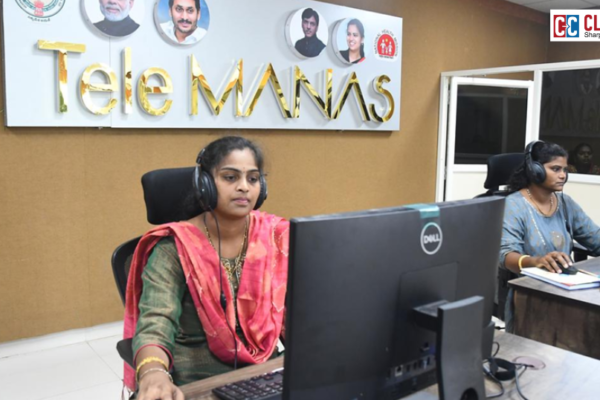
India is strengthening mental healthcare through local clinics, primary care integration, and the Tele-MANAS 24/7 helpline. These reforms aim to close the massive treatment gap and make mental health services accessible nationwide. In the recent years, the Indian government has taken some bold, long-overdue steps to strengthen the mental healthcare system for its citizens. These…
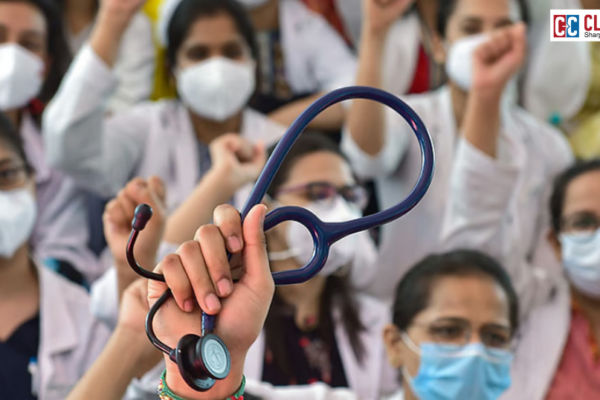
India is addressing its doctor shortage through new medical colleges, financial incentives, and curriculum reforms, but rural healthcare gaps remain a major challenge. The success of these efforts will depend on whether doctors can be effectively deployed to underserved areas. India is taking a hard look at one of its most persistent public health challenges….
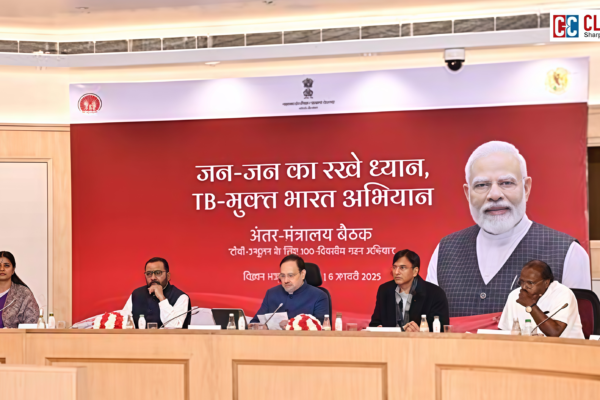
India marked World TB Day 2026 by launching a 100-day TB Mukt Bharat campaign, along with a new app and urban initiative to boost detection and treatment. The push highlights faster action, digital support, and community involvement to strengthen India’s fight to eliminate TB. A fresh push in a long fight This World Tuberculosis Day,…
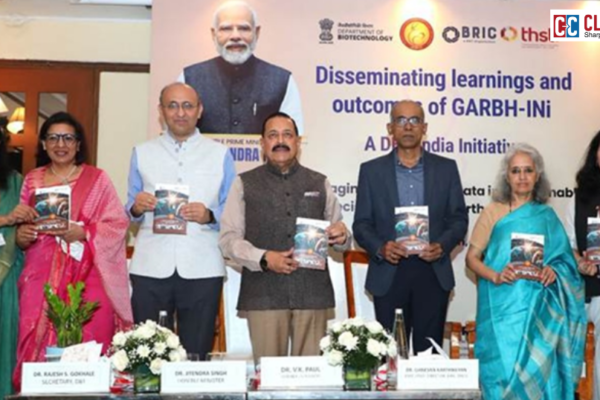
The GARBH-INi initiative is a government-led program that uses advanced research, AI, and indigenous data to predict and prevent preterm births, improving maternal and child health outcomes in India. It combines science, technology, and collaboration to create more effective, population-specific healthcare solutions. Introduction Maternal and child health has remained a critical area of national health…
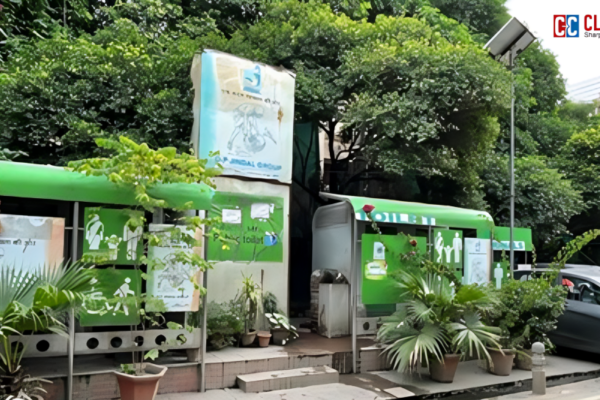
India’s urban sanitation has shifted from building infrastructure to performance-based governance under Swachh Bharat Mission (Urban) 2.0, using assessments and certifications to ensure accountability. While this improves monitoring and outcomes, challenges like inequality, sustainability, and long-term service delivery still persist. Over the past ten years, India’s urban sanitation system has experienced a dramatic shift from…
NITI Aayog and UNICEF have partnered to improve maternal and child nutrition in India’s Aspirational Districts and Blocks through better healthcare delivery, awareness campaigns, and CSR-funded nutrition initiatives. The collaboration will also strengthen Anganwadi infrastructure, enhance ICDS services, and build the capacity of frontline workers to improve nutrition outcomes in underserved regions. India has taken…