

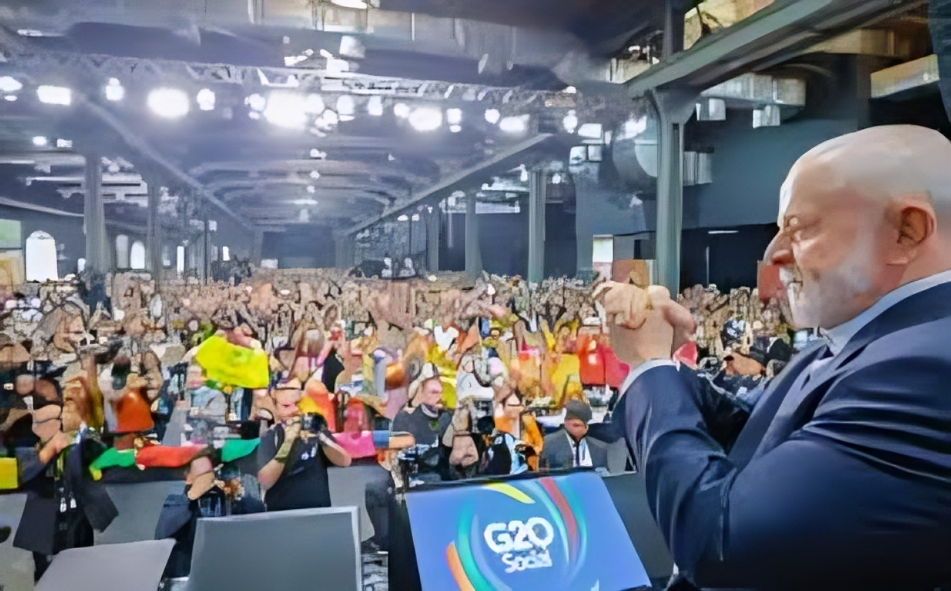
The G20 Social Summit in Brasilia is pushing for a “Universal Care Floor” to formally recognize unpaid care work. This policy could transform millions of caregivers—especially women—by integrating them into social protection systems and redefining how societies value care.
Take a moment to think, about the first person who woke up in your home today. Perhaps, it could be mother, waking up to prepare food for the family; or a daughter gently helping her aging father out of bed before the sun peeked the horizon. These quiet, relentless acts of love and duty are the heartbeat of our homes. We often call these caregivers our anchors, but we rarely ask who is holding the anchor steady.
Despite its enormous worth, society has long observed this daily rhythm as something that just happens. A mystical, unseen force that doesn’t need salary, sick leave, or retirement savings.
What would happen, though, if everyone decided to put a price on the priceless?
Something truly remarkable is happening right now in the busy halls of the G20 Social Summit in Brasilia. In the midst of the customary high-level, suit-and-tie discussions about climate agreements and trade deficits, labour ministers are pushing for a radical change in our understanding of the most basic human duty: taking care of one another. An international appeal is being made for a “Universal Care Floor.”
More Than Just a Policy
The phrase “Universal Care Floor” may sound a little technical, almost like architectural jargon. However, when the bureaucratic façade is removed, it becomes a profoundly human promise. Fundamentally, this proposal seeks to formally acknowledge unpaid care work, bringing it out of the “informal economy” and into the light of professional recognition and national insurance programs.
Imagine a society in which the hours spent caring for a sick parent are acknowledged as fundamental pillars of the global economy rather than being written off as “family duty.” Because carers are now included in national insurance programs, a woman who takes care of an elderly relative could actually receive credits toward a state pension, just like she would if she worked in a corporate office. It serves as an essential link between livelihood and love. Governments would be firmly stating, “Your work matters, and we will protect you while you protect us,” by establishing this Care Floor.
The Women Who Carry the Weight
Without discussing women, we cannot have an open discussion about caregiving. Women bear a disproportionate amount of the burden of compassion in almost every part of the world. I’ve frequently been in awe of the incredible fortitude of women who manage unstable part-time jobs while juggling the constant, 24-hour demands of a household. This enormous gender gap is conveniently wrapped by society under the noble pretext of “motherhood” or “daughterly virtue.”
However, virtue does not cover groceries. When a caregiver’s own back fails after decades of lifting others, virtue does not offer medical care.
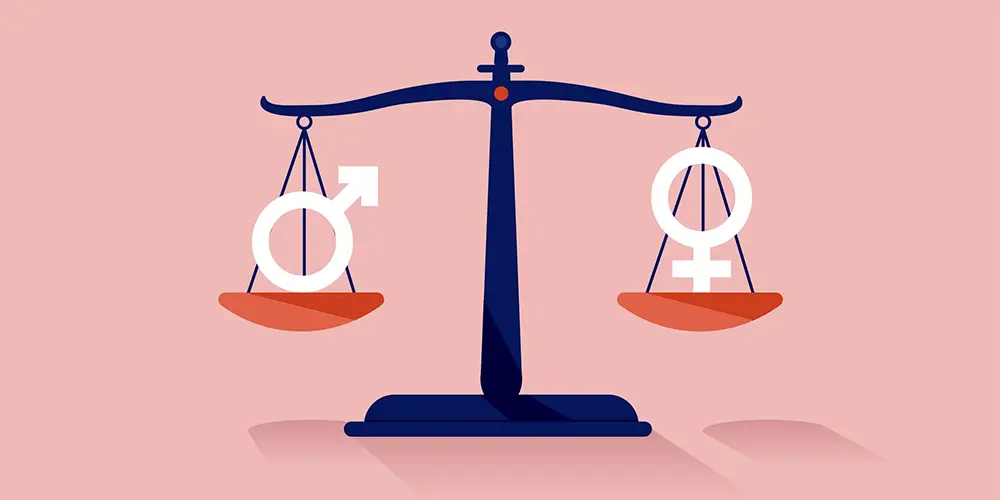
The Universal Care Floor’s ability to directly address this disparity is its true genius. The initiative provides a concrete ladder out of poverty by incorporating these invisible workers into formal economic systems. Millions of women who are presently ensnared in the unstable, unprotected informal sector may at last have access to stable employment and a respectable retirement. It turns a lonely, worn-out struggle into a reputable career path.Protecting Our
Roots, Nurturing Our Future
Yet, this initiative is not just about helping the caregiver; it also aims to protect those being cared for. As our global population ages rapidly, how we care for our elderly is becoming a major crisis.
When care work is pushed into the background, the quality often declines. Vulnerable elders frequently end up with inadequate and tired support. By recognizing care work as a profession and establishing a Universal Care Floor, we make sure that our parents and grandparents receive care from people who are supported, trained, and appreciated. This creates a positive environment where the dignity of the caregiver directly improves the dignity of the elderly.
A Society’s True Measure
There is a common assumption that the value of a society is measured by the value it accords to its weakest members. I would argue that it is also a measure of the value it accords to the caregivers of these members.
The conversations being had in Brasilia are not just about economics; they are about some significant moral issues. The Universal Care Floor is a radical and beautiful rethinking of our values as a human family. It is a recognition that the hands that rock the cradle and the hands that soothe a fevered brow are the same hands that hold up the world.
It is high time we started supporting these hands, too.
References
- https://g7g20-documents.org/database/document/2024-g20-brazil-sherpa-track-employment-ministers-ministers-language-lemm-declaration-g20-fortaleza
- https://www.gov.br/g20/en/documents/g20-social-final-declaration
- https://www.gov.br/secom/en/latest-news/2024/12/2024-a-year-to-fight-hunger-and-reduce-poverty
Clear Cut Gender, CSR Desk
New Delhi, UPDATED: March 20, 2026 01:00 IST
Written By: Tanmay J Urs