Clear Cut Magazine

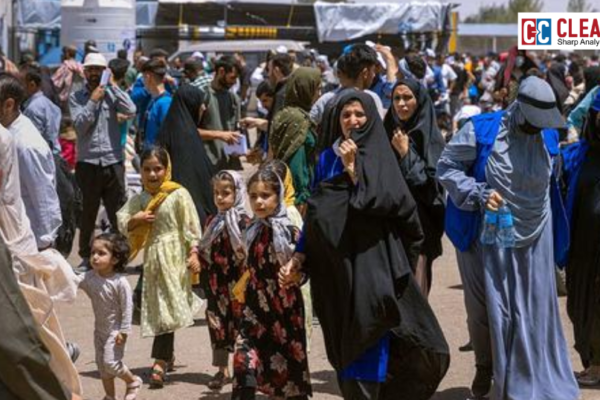
UNICEF Unveils its New Global Strategy for Gender Equality, With Adolescent Girls Top Priority – An Uneven Picture from the Data of Asia

The UN Children’s Fund has adopted a new four-year Gender Equality Action Plan, 2026-2029. The Executive Board of the UN Children’s Fund has approved UNICEF’s fourth four-year Gender Equality Action Plan, 2026-2029, which complements the 2026-2029 UNICEF Integrated Budget of $26 billion and UNICEF’s Global Strategy 2026-2029. The global plan also focuses on the world’s…

Read More

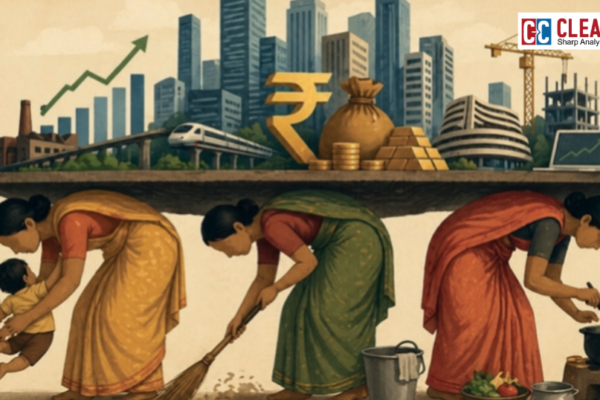
The Hidden Labour Behind Modern India

In the story of India’s rise, one form of labour remains largely unseen: unpaid care work. As Indian women advance in education, careers, and public life, they continue to be assigned primary responsibility for day-to-day cooking, cleaning, the care of the elderly, the young, and the disabled, and for household coordination. That concealed labour is…

Read More

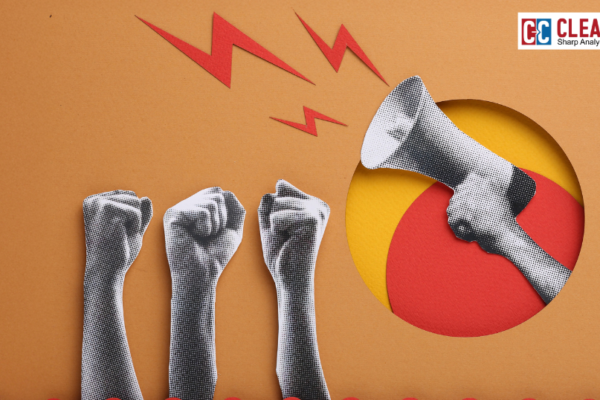
Breaking the Silence: Reasons for Gender-Based Violence Being the Most Crucial Societal Problem in India

The problem of Gender-Based Violence (GBV) does not only exist in terms of newspapers and crimes. Still, it is an ever-existing societal problem affecting countless women and girls in India, daily in different environments, from the house to school, workplace, public transport, and even online space. Although India has made considerable efforts in terms of…

Read More

A Wide Gender Pay Gap is the New Norm.

The 2026 gender pay gap has widened, with women earning $0.82 for every dollar men make, revealing that progress on pay equity is reversing rather than improving. Structural issues like caregiving penalties, biased pay systems, and weak accountability continue to reinforce inequality over time. The Number on Equal Pay Day Every year, Equal Pay Day…

Read More

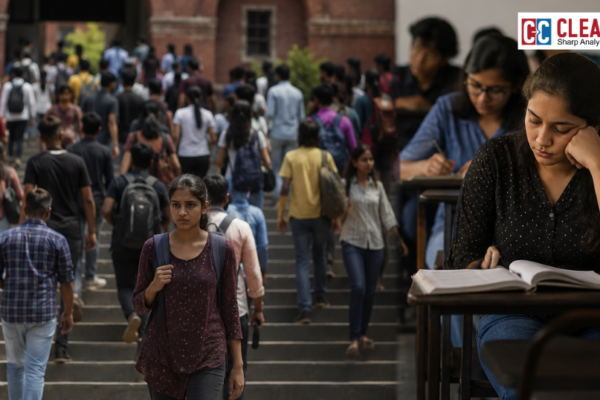
Bridging Gender Gaps in India’s National Programme for Prevention and Control of Non-Communicable Diseases (NPCDCS):A Women’s Health Perspective

India’s NCD programmes, especially NPCDCS, remain largely gender-neutral, failing to address women’s unique health risks and barriers. A gender-responsive, life-course approach is essential to improve early detection, access, and outcomes for women. Non-communicable diseases (NCDs) are responsible for nearly 74% of deaths globally, with India experiencing a rapidly rising burden of cardiovascular diseases (CVDs), diabetes,…

Read More