

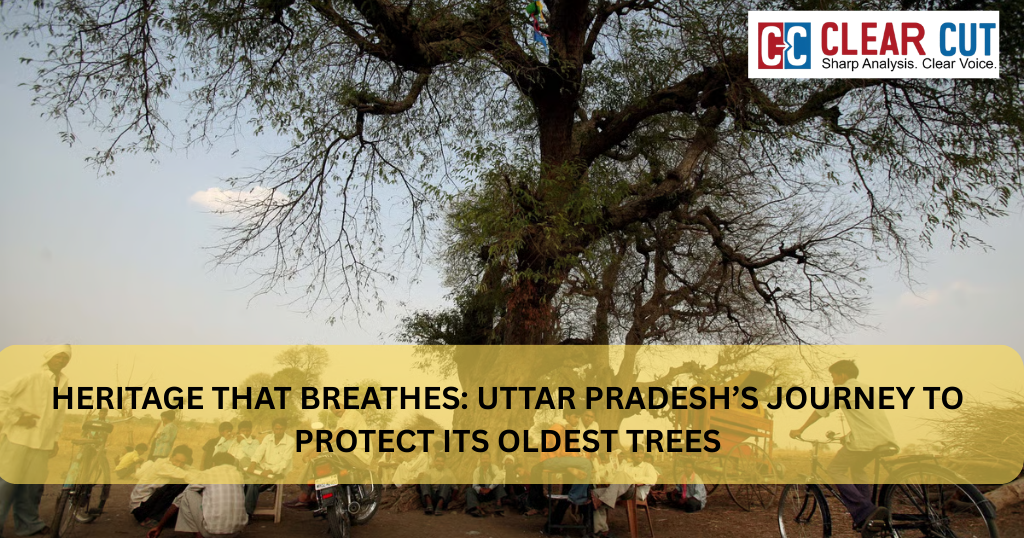
Uttar Pradesh has identified 948 heritage trees across all 75 districts, marking a major step in environmental conservation and cultural preservation. The initiative promotes biodiversity protection, community involvement through a tree adoption scheme, and a more holistic approach to conservation that safeguards both natural and historical heritage.
Uttar Pradesh has recently taken a significant step in conservation by identifying 948 trees across the state as heritage trees. This move reflects a broader understanding of conservation that now extends beyond monuments and historic buildings to include natural assets with cultural, historical, and ecological value (Times of India). It also signals a shift in how preservation is being approached in India, recognizing living elements of the environment that have quietly witnessed generations of social and cultural change. (Times of India).
The program forms part of a broader heritage tree conservation and adoption effort undertaken by the state government. According to reports, these trees are spread across all 75 districts of Uttar Pradesh and represent a wide variety of species, many of which are more than 100 years old (Hindustan Times; The Print). Their geographical spread shows that the initiative is not limited to urban centers but covers both rural and urban landscapes, ensuring that conservation efforts reach diverse communities across the state.
Trees as Cultural and Historical Symbols
Several of the identified trees are closely linked to local traditions, religious practices, and historical events. Many of them serve as community landmarks where social and cultural activities take place. Some trees are associated with the freedom movement, making them important markers of shared heritage and collective memory (The Statesman; PTI).
Officials have documented trees belonging to 28 different species , including banyan, peepal, neem, mango, and jamun demonstrating the ecological diversity represented in the initiative (The Statesman; The Print). This diversity reinforces the importance of preserving not only individual trees but also the wider ecosystems they support.
Encouraging Public Participation
To strengthen conservation efforts, the state has introduced a heritage tree adoption scheme aimed at encouraging public participation and awareness. The initiative invites citizens, institutions, and organizations to take part in protecting and maintaining these trees, thereby creating a sense of shared responsibility (The Print; PTI).
Authorities have also proposed awareness campaigns and conservation measures designed to educate communities about the importance of heritage trees (The Statesman).
Ecological Benefits of Heritage Trees
Beyond their cultural significance, mature trees provide a wide range of vital environmental benefits. They improve air quality, support biodiversity, and help regulate local temperatures, making them essential in tackling growing environmental challenges (Times of India).
In an era of rapid urbanization and climate change, safeguarding these long-standing natural assets has become more urgent than ever.
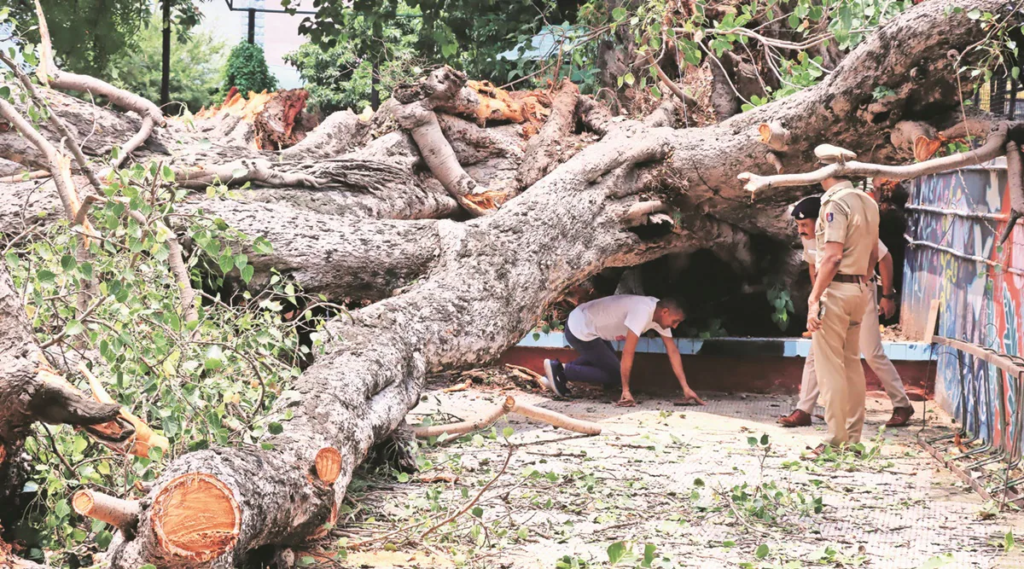
The initiative also reminds us that conservation is not only about planting new trees it’s equally about protecting the ones that already stand tall. These mature trees have spent decades providing shade, clean air, and habitats for countless species, and safeguarding them ensures these benefits continue for generations to come.
Moving Towards Holistic Conservation
While many environmental programs focus on increasing green cover through afforestation, this initiative places equal emphasis on safeguarding established trees that already contribute significantly to the environment and society. By combining conservation with cultural preservation, the program represents a more holistic approach to environmental management.
Conclusion
By recognizing and protecting heritage trees, Uttar Pradesh is setting a hopeful example for the future of environmental stewardship. Caring for these long-standing natural landmarks not only helps maintain ecological balance but also keeps communities connected to their cultural roots. As cities grow and landscapes change, efforts like this show how conservation can move forward in a way that protects both historic spaces and the living heritage woven into nature.
Clear Cut Climate, Education Desk
New Delhi, UPDATED: Feb 12, 2026 01:00IST
Written By: Priyanka Thakur