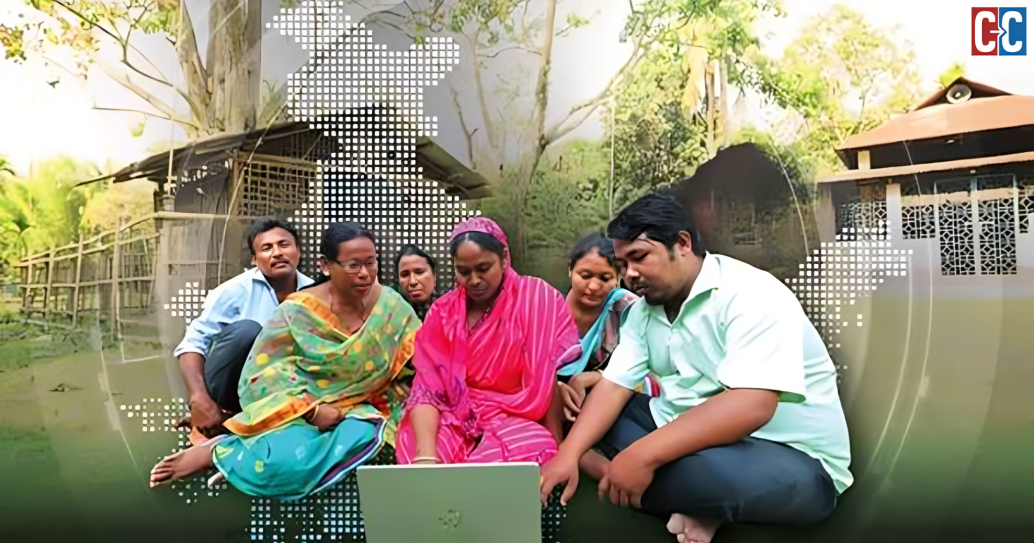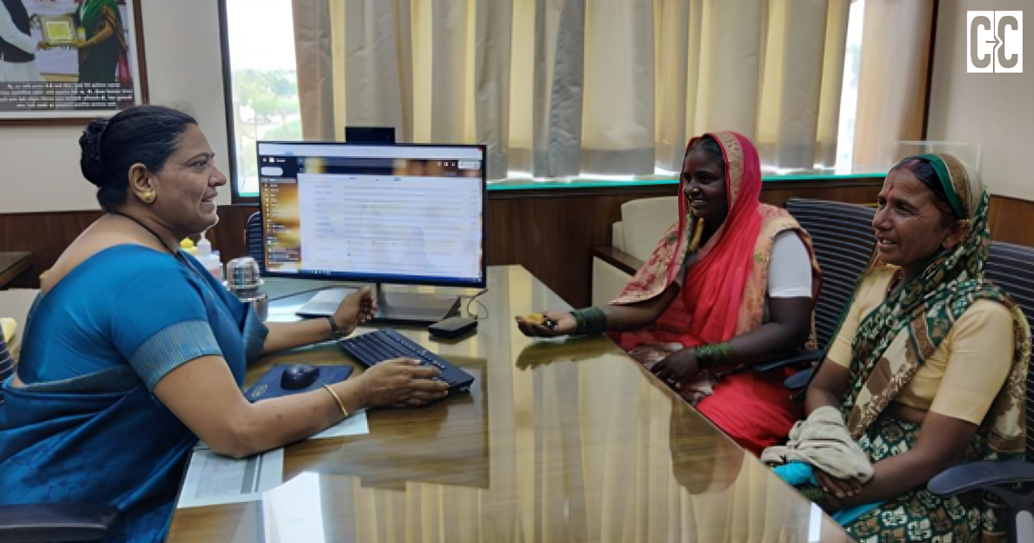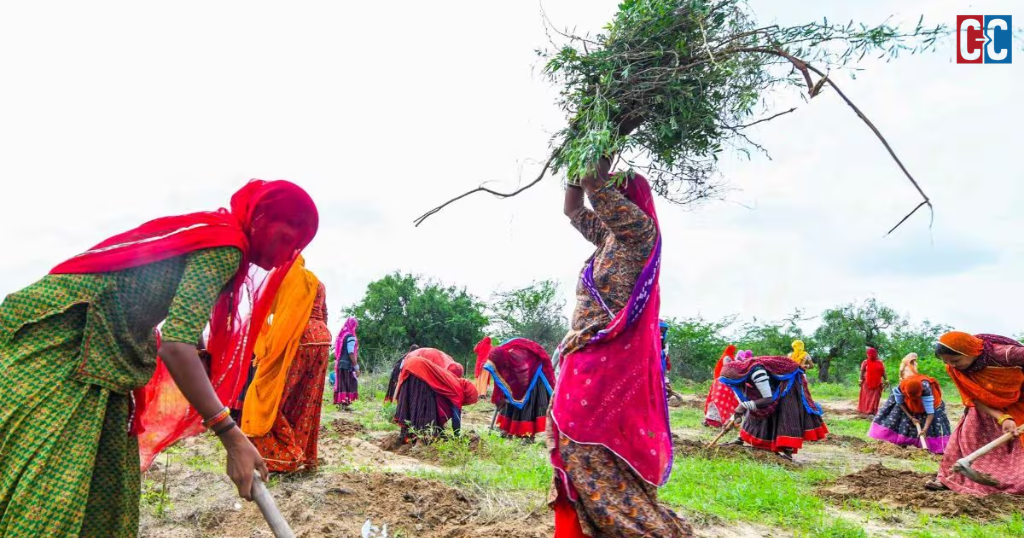
- VB-GRAM-G Scheme 2026 replaces MGNREGA by increasing the rural employment guarantee from 100 to 125 days, while introducing stronger digital governance, e-KYC, DBT, and face authentication for greater transparency.
- Backed by over ₹1.25 lakh crore, the scheme aims to strengthen rural livelihoods, create durable rural infrastructure, and ensure timely wage payments, though effective implementation and state preparedness remain key challenges.
For nearly 2 decades, the Mahatma Gandhi National Rural Employment Guarantee Act (MGNREGA) served as a safety net for distressed rural households. It promised 100 days of guaranteed work a year. As of today, that promise has a successor. In 2026, the GoI introduced the Viksit Bharat-Guarantee for Rozgar and Ajeevika Mission (VB-GRAM-G). The current scheme replaces MGNREGA to expand employment opportunities, strengthen rural livelihoods, and improve program implementation by increasing the use of digital governance.
The money on the table
A financial commitment from the Central Government supports the transition to VB-GRAM-G. An allocation of ₹30,000 crore was made under the outgoing MGNREGA framework. It was followed by an interim release of ₹95,692.31 crore to States and Union Territories, bringing the total to over ₹1.25 lakh crore. These funds are intended to support nearly 2.8 lakh Gram Panchayats. It will aim to finance rural infrastructure development, water conservation projects, natural resource management, and livelihood generation while ensuring continuous wage employment. Among the largest recipients of funds are Uttar Pradesh (₹9,721.48 crore), West Bengal (₹8,508 crore), Andhra Pradesh (₹7,707.21 crore), Tamil Nadu (₹7,585.49 crore), and Rajasthan (₹7,581.87 crore).
What actually changes
The most significant reform introduced under VB-GRAM-G is the increase in the annual employment guarantee from 100 days to 125 days per rural household. This enhancement is important due to growing climate-related uncertainties in agriculture. The program also places greater emphasis on digital governance, such as mandatory 100% e-KYC verification, strengthened Direct Benefit Transfer (DBT) mechanisms, SMS-based notifications, and face authentication systems. This improves transparency, reduces leakage, and ensures timely wage payments.
Challenges in implementation
Although the program has been launched nationwide, implementation readiness has varied across states. Reports indicate that 26 states completed the required budgetary preparations before the rollout. Meanwhile, Jharkhand, Karnataka, Telangana, and Mizoram were directed to expedite financial and administrative arrangements. Addressing these gaps is essential to avoid disruptions in wage payments and employment generation during the transition. To facilitate a smooth implementation, the National Rural Development Conference, held at the ICAR–Indian Agricultural Research Institute (Pusa), New Delhi, on 28th-29th June 2026, focused on reviewing state preparedness and strengthening coordination among stakeholders.
Accountability points
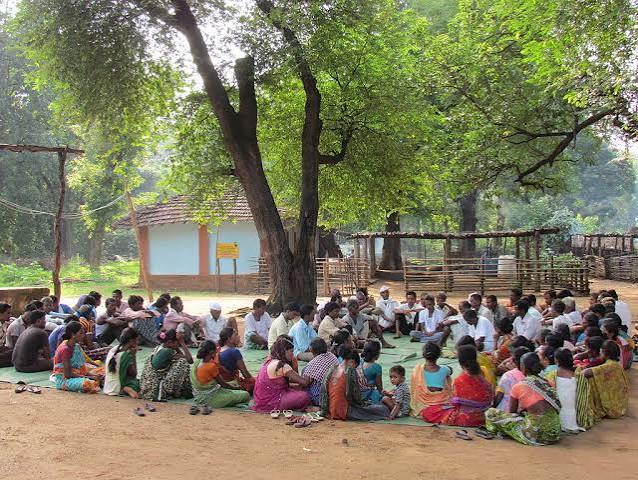
States that experience delays in financial or digital preparedness should establish clear timelines for corrective action and ensure wage payments are made within the legally prescribed period. The program should strengthen social audits, which have historically played a critical role in promoting transparency and public accountability. Additionally, Gram Sabhas should retain meaningful authority over the selection of development projects, supported by publicly accessible systems for fund utilization and project monitoring to enhance community participation and oversight.
Conclusion
VB-GRAM-G is being pitched as a pillar of “Viksit Gaon” within the larger Viksit Bharat vision. It is a recognition that a developed India is unimaginable without a rural economy that offers dignity, not just subsistence. The additional 25 days of guaranteed work, if implemented honestly and meaningfully, can cushion households against the erratic monsoons and price shocks that increasingly define rural life. But guarantees on paper have failed rural India before. The real test is in the compliance registers of panchayats and in whether wages reach bank accounts within the mandated window. India does not need another scheme with a new acronym. It needs a rural employment architecture that a labourer in Bundelkhand or Kalahandi can trust as much as the Minister’s assurance in New Delhi. That is the only metric on which VB-GRAM-G should ultimately be judged.
Clear Cut Livelihood Desk
New Delhi, UPDATED: August 03, 2026 06:00 IST
Written By: Tanmay URS