
Inside Balamala Malli’s Inspiring Leap from Surviving the Streets to Empowering Her Community as a Swachhta Udyami.
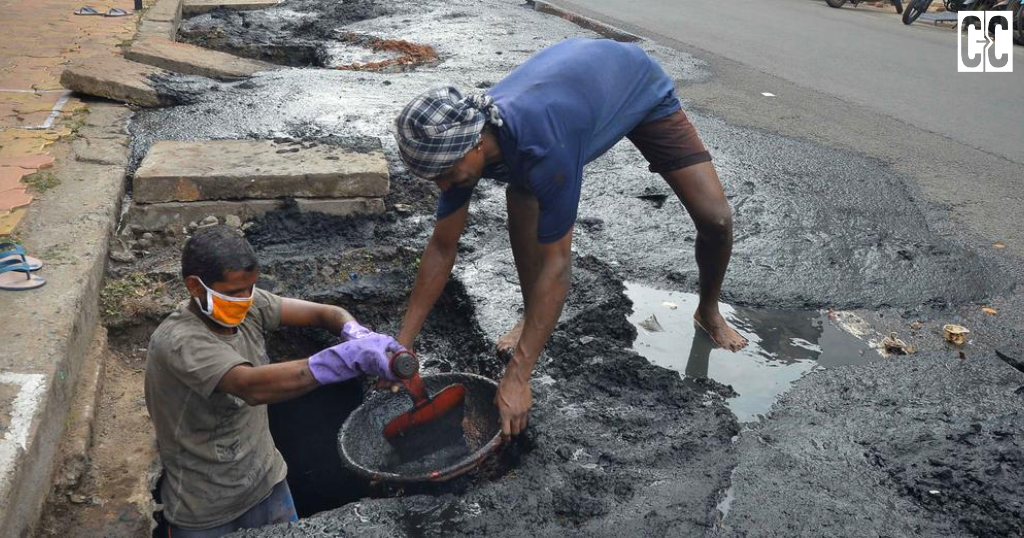
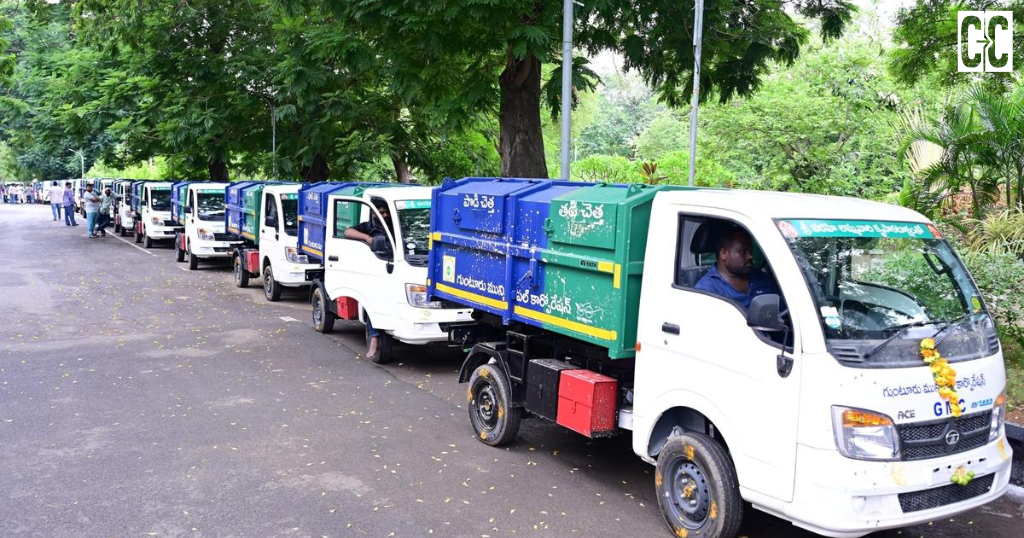
For a decade, Balamala Malli walked the streets of Guntur, Andhra Pradesh, as a waste picker. Poverty had denied him schooling, and the work he inherited from childhood brought social exclusion and meagre earnings of ₹150–200 a day. His monthly income hovered around ₹8,000. As a father of three school-going children, Malli wanted a different future for them—one free from the hazards and stigma of informal waste collection.

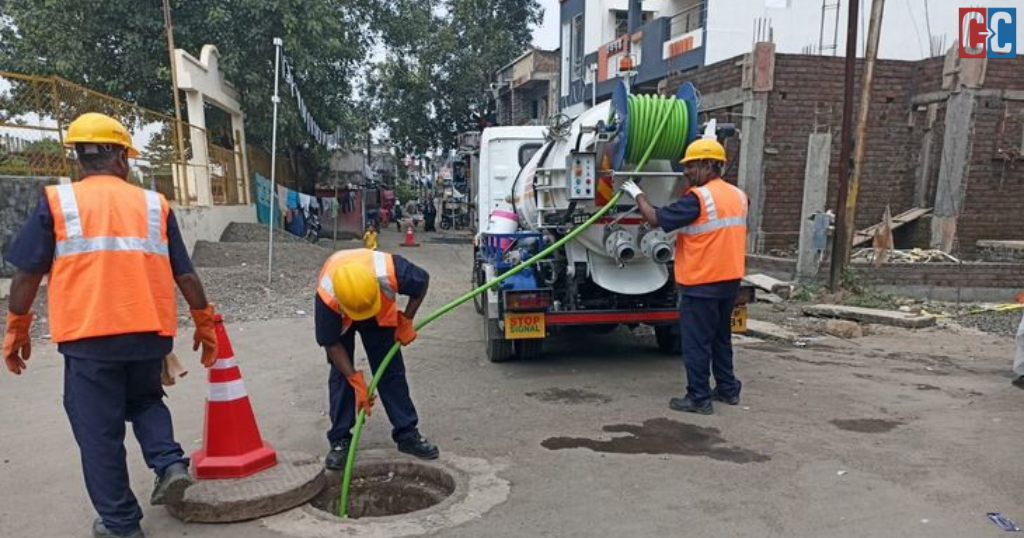
That turning point came with the Swachhta Udyami Yojana (SUY) under the Namaste National Action for Mechanised Sanitation Ecosystem scheme. Malli, along with four others, was trained and financed to buy a 3-in-1 Jetting, Grabbing and Rodding Machine that transformed the largely dangerous and labour-intensive work into mechanised sanitation services. His total monthly income has now increased to almost Rs 18,000, which also means occupational safety, ownership, the fulfilment of all household expenses, and investing in the education of his children.
Malli’s story illustrates the core intent of NAMASTE. Launched in 2023–24 as a Central Sector Scheme by the Ministry of Social Justice and Empowerment in convergence with the Ministry of Housing and Urban Affairs, and implemented by the National Safai Karamcharis Finance and Development Corporation (NSKFDC), the programme aims to ensure the safety and dignity of sanitation workers. Waste pickers were formally included as a target group from 2024–25.
The scheme seeks zero fatalities in sanitation work, the elimination of direct contact with human faecal matter, the formalisation of the workforce, and the promotion of mechanised cleaning.
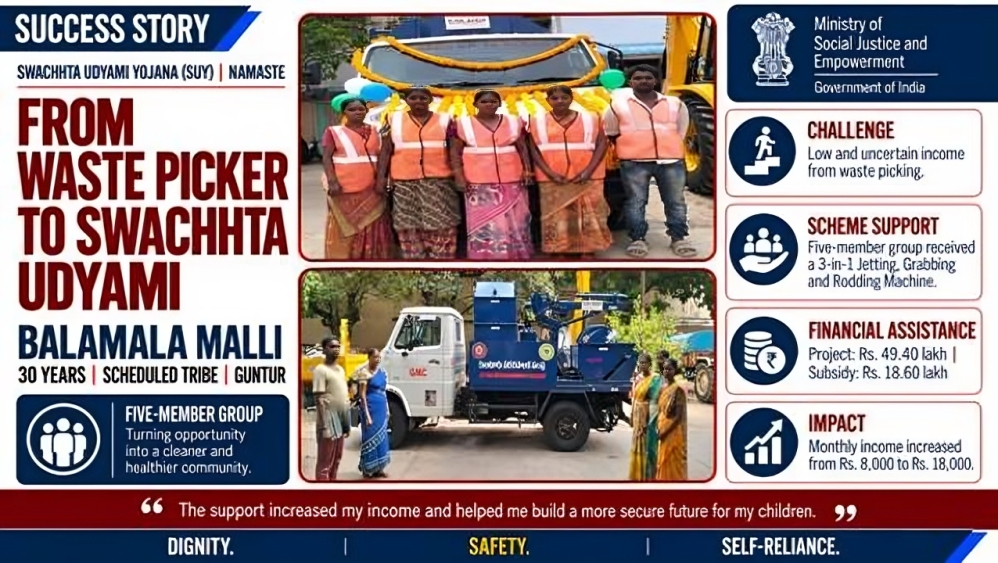
Under NAMASTE, identified workers receive occupational safety training, personal protective equipment (PPE) kits, health coverage under Ayushman Bharat–Pradhan Mantri Jan Arogya Yojana, and capital subsidy support through SUY for sanitation-related equipment and vehicles. The goal is to transform vulnerable workers into “Sanipreneurs”, entrepreneurs who own and operate mechanised services and to integrate them into formal solid waste and sanitation systems.
Government data shows consistent progress. By the middle of 2026, tens of thousands of sewer and septic tank workers and hundreds of thousands of waste pickers have been identified and verified; thousands of people have been provided with PPE kits and health cards; and Emergency Response Sanitation Units have been equipped with modern safety equipment. Officials stress that empowerment is not charity; it is a way to help people gain ownership and hope.
According to the experts and scheme guidelines, the Ministry of Social Justice and Empowerment highlights: “NAMASTE generates an environment where sanitation workers are recognised as major players in urban infrastructure and helps break inter-generational transmission of dangerous work through skill development, social security and enterprise creation. Mechanisation is not just technology, but it is a dignified livelihood.”
Malli’s journey from scavenging for waste to working with mechanised equipment in a sanitation business exemplifies this transition. Higher income, better working conditions, and the ability to put his children in school are proof of how a well-targeted capital subsidy, coupled with a skill-linked livelihood intervention, can transition precarious informal work into a formal business and self-reliant livelihood. Human stories like his prove that sanitation transformation is about dignity as much as it is about cleaner cities. In Guntur and across urban India, such journeys are gradually rewriting the narrative of sanitation work from inherited hardship to owned opportunity.
Clear Cut WASH Desk
New Delhi, UPDATED: September 19, 2026 14:30 IST
Written By: Yatharth Pathak