- India’s Female Labour Force Participation Rate (FLFPR) has increased significantly, from 23.3% in 2017-18 to 41.7% in 2023-24, with rural women driving much of the growth.
- However, many women remain concentrated in agriculture, self-employment and unpaid family work, while domestic responsibilities and limited formal job opportunities continue to restrict participation.
- Expanding childcare, skill development, workplace safety and formal employment opportunities will be crucial for improving both the quality and sustainability of women’s workforce participation.
India has witnessed a significant rise in Female Labour Force Participation Rate (FLFPR) over the past several years, reflecting notable changes in women’s engagement with the labour market. According to the Periodic Labour Force Survey (PLFS), the FLFPR increased from 23.3% in 2017-18 to 41.7% in 2023-24, representing one of the fastest increases among developing economies. However, more recent monthly PLFS estimates indicate that female labour force participation declined slightly from 35.3% in February 2026 to 34.4% in March 2026, illustrating that labour market participation continues to fluctuate in the short term. Understanding these trends requires examining not only the participation rate but also the nature and quality of employment available to women.
Growth by rural India
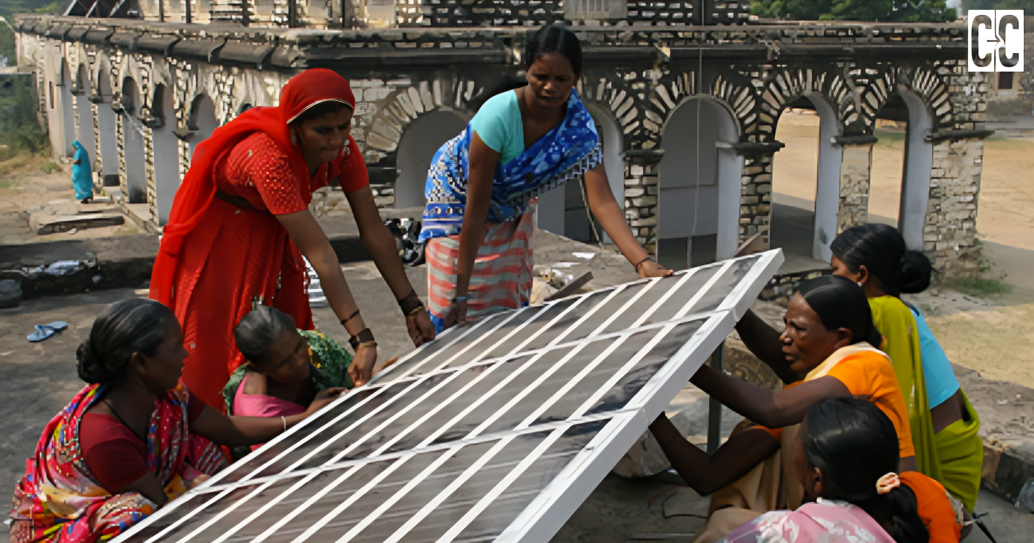
The increase in female labour force participation has been driven predominantly by rural India. Between 2017-18 and 2023-24, the rural FLFPR increased from 24.6% to 47.6%, substantially exceeding the growth observed in urban areas. As of December 2025, rural female labour force participation stood at 40.1%, compared with 25.3% in urban areas, highlighting a notable rural–urban disparity. Improvements have also been observed across educational groups. Labour force participation among women with postgraduate education or higher increased from 34.5% to 39.6%, while participation among women with primary-level education rose from 24.9% to 50.2% during the same period. In addition, earnings among female self-employed workers have shown gradual improvement.
Nature of women’s employment
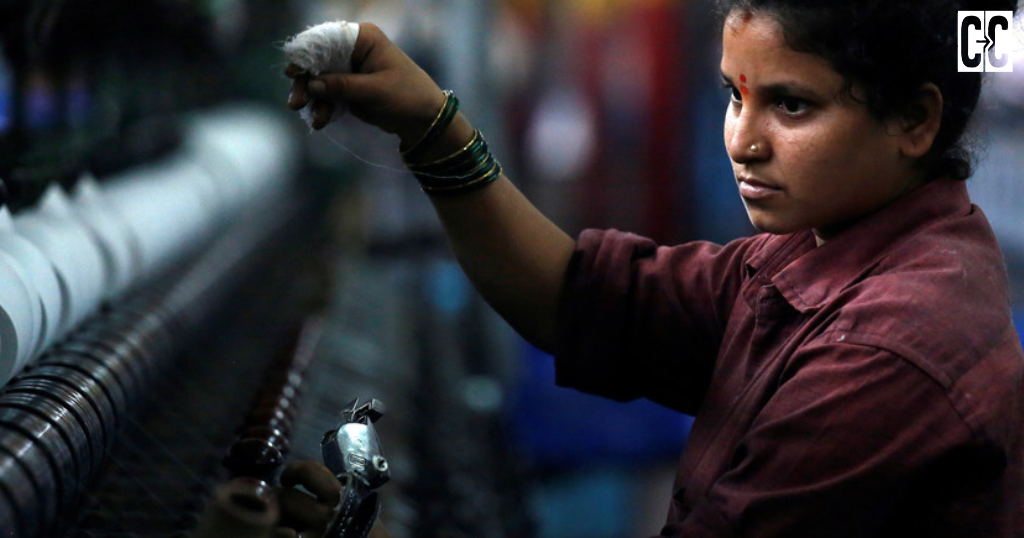
Although the rise in FLFPR represents an encouraging trend, the composition of female employment suggests that important structural challenges remain. Approximately 77% of working rural women continue to be employed in the agricultural sector, with comparatively limited growth in manufacturing and service-sector employment. A substantial proportion of this increase is associated with self-employment and unpaid family work rather than formal wage employment. Consequently, several labour market analysts have suggested that part of the increase in women’s labour force participation may reflect economic necessity arising from household income pressures, agricultural uncertainty, and rising living costs, rather than expanded access to secure, well-paid employment opportunities.
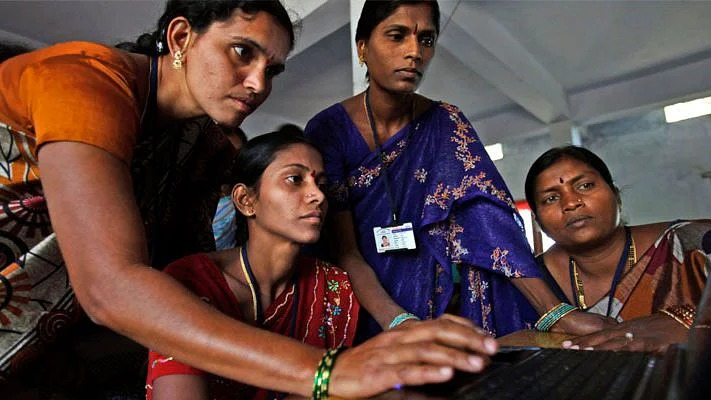
In addition to employment quality, domestic responsibilities continue to limit women’s participation in the labour market. Government survey data indicates that household duties and childcare responsibilities remain the most frequently reported reasons for women staying outside the workforce, accounting for more than 40% of non-participation, while continuing education also represents an important factor among younger women. These findings highlight the continuing influence of unpaid care work on women’s economic participation.
Policy priorities
Improving women’s participation in the workforce requires policy interventions that extend beyond increasing employment opportunities. Labour statistics should continue to distinguish between regular wage employment, self-employment, and unpaid family work to provide a more comprehensive understanding of labour market trends. Expanding affordable childcare and eldercare services can reduce the burden of unpaid domestic work and enable greater participation in formal employment. Furthermore, strengthening workplace safety, promoting equal pay for equal work, improving maternity support, and increasing employment opportunities in manufacturing and service sectors will be essential for improving both the quantity and quality of women’s employment.
Conclusion
The substantial increase in India’s Female Labour Force Participation Rate represents an important development in the country’s labour market. However, sustained progress will depend not only on increasing the number of women entering the workforce but also on improving the quality, security, and diversity of employment opportunities available to them. Greater access to formal employment, supportive care infrastructure, skill development, and gender-inclusive workplace policies will be critical to ensuring that women’s participation contributes meaningfully to both individual economic empowerment and India’s long-term economic growth. As highlighted by the World Bank, narrowing the gender gap in labour force participation has the potential to significantly strengthen India’s economic productivity and inclusive development.
Clear Cut Gender, Livelihood, Research Desk
New Delhi, UPDATED: August 08, 2026 09:00IST
Written By: Tanmay J URS