
In Braj, a study of sacred ponds asks what should count as successful water body restoration: a finished structure, or a pond that fills with rain, holds water and remains useful to the people who depend on it?
A photograph taken after a pond renovation can show new steps, a repaired embankment and a full pond. It cannot tell us where the water came from. Did rain from the surrounding land fill it? Was the water pumped from a borewell? And how much will remain by May?
These questions are at the heart of a study of traditional water bodies in Braj, published on 4 November 2026. Aman Sharma and colleagues drew on 41 interviews with residents, officials, religious figures and others, along with field observations from 2022 to 2024. Their account offers a way to judge pond restoration that goes beyond the condition of the banks on the day the work is handed over.
What happens outside the pond matters
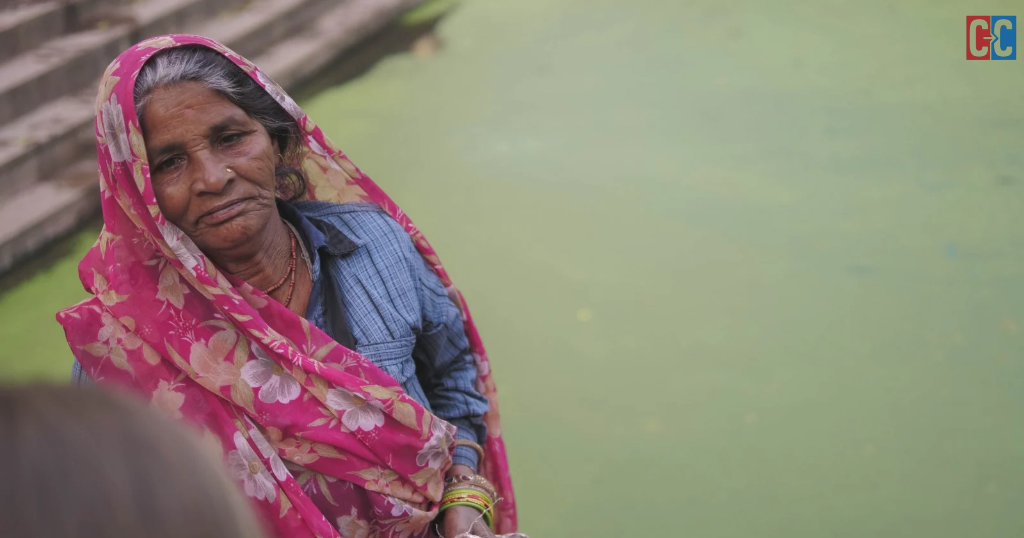
In Braj, traditional ponds known as kunds are part of religious life. People interviewed for the study also remembered them as part of a local water system. Rain flowed into the ponds from surrounding land. The ghats served different purposes, and communities helped manage the water bodies. Participants described some renovated kunds as more reliant on borewells, with older water connections weakened and access restricted at some sites.
Rainwater flows into the pond from the surrounding land. You can deepen a pond and repair its steps, but those works will do little to bring rainwater in if the channels that once carried it are blocked. A borewell can keep the pond looking full. Whether the pond can fill from rainfall, or contribute to groundwater recharge, still needs to be checked.
Some interviewees recalled water that they once described as sweet becoming brackish. The researchers did not test the water chemistry, so those accounts cannot establish whether salinity increased or what caused any change. They do, however, give officials a reason to test the water, particularly where people still come into contact with it during rituals.
Why pond restoration matters across India
India’s first Census of Water Bodies, released in 2023 with 2017–18 as its reference year, counted 24.24 lakh water bodies. Ponds made up nearly six in ten, and about 97% of all water bodies counted were in rural areas. The census tells us how common these water bodies are. It does not tell us whether a particular restoration has improved water storage or recharge.
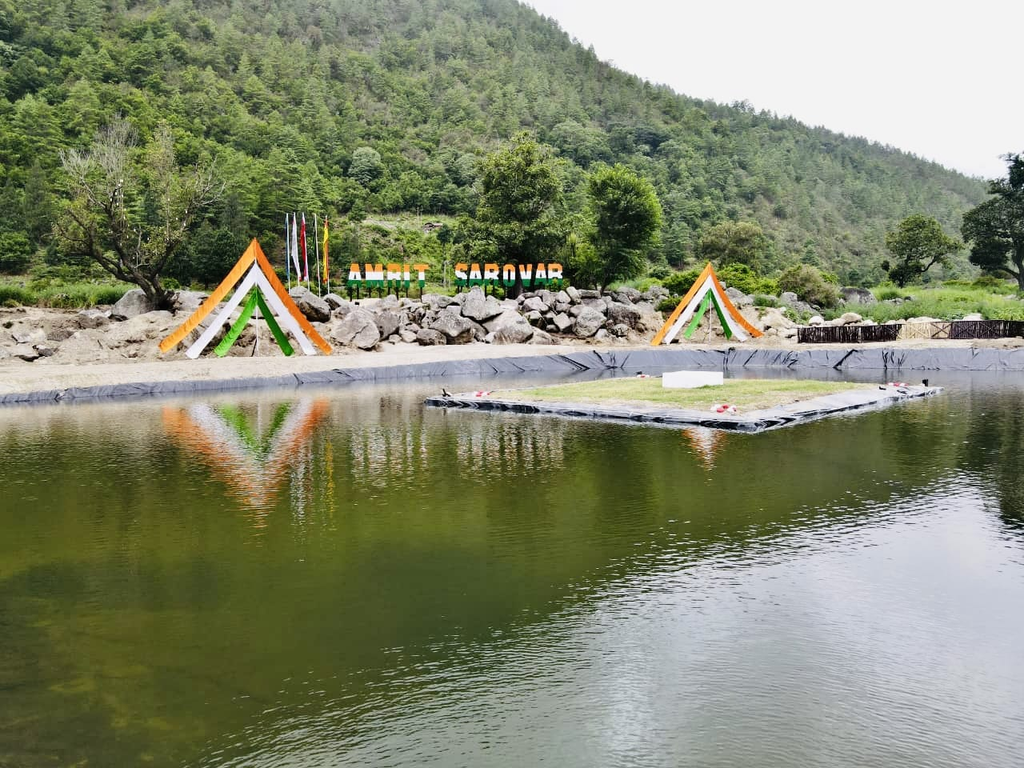
The government launched Mission Amrit Sarovar, in April 2022 to build new ponds and restore old ones. The second phase focuses on keeping water available and involving local communities. The Braj study did not assess the mission. But it raises a question for any pond restoration project: once the work is complete, who goes back to check whether the pond fills with rain and holds water through the dry months?
Go back after the monsoon, and again in summer
A district engineer or panchayat could start by walking the catchment with residents who know where rainwater used to flow. Which channels still reach the pond? Where has the flow been cut off? A map drawn before the work begins gives the team something to check against when the rains arrive.
Then come two visits. The first, after the monsoon, can show whether rain reached the pond and how much water it held. The second, near the end of summer, can show how much remained. Records of rainfall, water levels and pumping would make those observations easier to interpret. Where groundwater recharge is an objective, readings from nearby observation wells can add evidence. A full pond alone cannot establish that the groundwater beneath it has recovered.
The people who use the pond should also have a say in how it is assessed. Can they still reach the water from the ghats? Who clears an inlet when it silts up? Is there a budget for maintenance after the contractor leaves? The answers may differ even between neighbouring ponds. A site used mainly for religious gatherings will have different access and upkeep needs from one that also supports irrigation.
The next time a district reports that it has restored a village pond, ask for one more photograph. Take it in May, from the same spot. Then ask where the water in the picture came from.
Clear Cut Research, Climate Desk
New Delhi, UPDATED: November 10, 2026 14:32 IST
Written By: Paresh Kumar