
This year, one of the most significant cultural events in Uttar Pradesh is the Janjatiye Bhagidari Utsav, popularly known as the Tribal Participation Festival. It is organized jointly by the Uttar Pradesh Tourism and Culture Department, the Social Welfare Department, and the Folk and Tribal Culture Institute. It will be held in Lucknow from November 13 to 18, 2025.
More than a celebration, it is designed to bring the rich traditions of India’s tribal communities into focus and make them the fulcrum of the state’s socio-economic narrative.
A Festival That Unites People
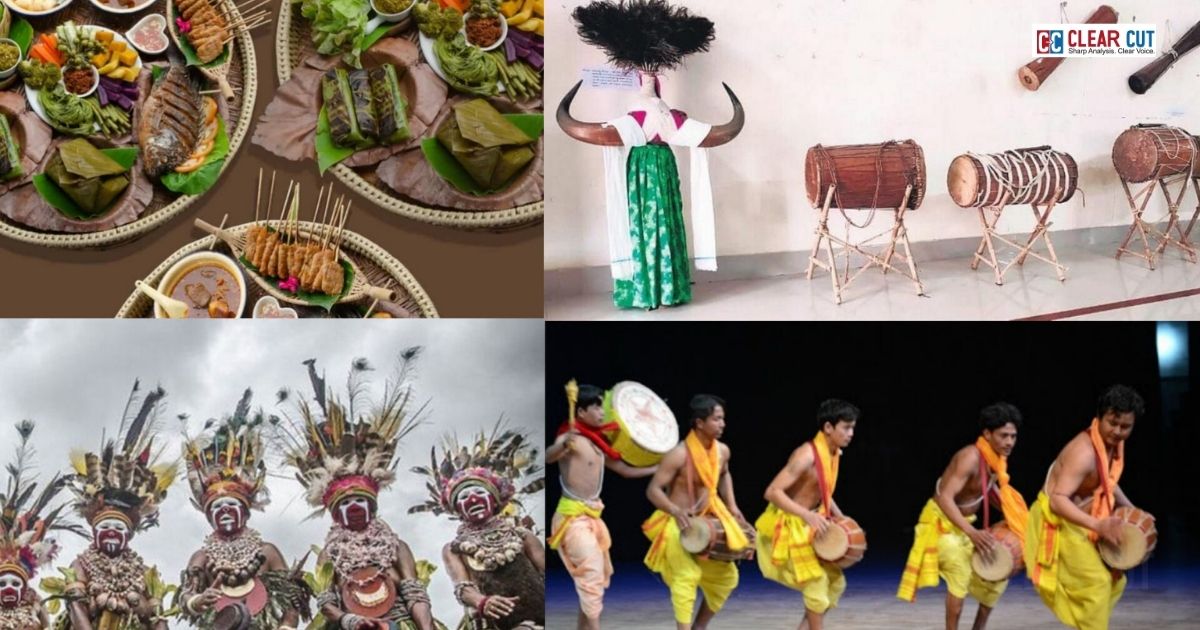
Janjatiya Bhagidari Utsav showcases the lives, art, food, and music of tribal groups from across the country. The festival is presenting exhibitions of traditional crafts, folk dances, musical shows, art exhibitions, and local cuisine. This year, tribal artisans of Arunachal Pradesh, Chhattisgarh, Madhya Pradesh, Jharkhand, and Odisha are participating in the festival, along with artisans of Uttar Pradesh’s own Tharu, Kol, and Baiga tribes.
The fair thus becomes much more than entertainment by bringing so many cultures under one roof; it becomes a platform for mutual learning. Visitors from cities witness the depth of India’s tribal heritage, while tribal artisans get to interact with buyers, tourists, and government officials who can help expand their markets.
For many of the participants, it is the first time that their craft or art has been exposed in a national setting. For others, it is an opportunity to keep traditional practices that are slowly disappearing due to urban migration and industrialisation.
How the Festival Is Organised
The fair is organised by different departments of the Uttar Pradesh government, from its promotion and logistics to performances and exhibitions by the Culture and Folk Art wings, to participation by tribal communities across the state ensured by the Social Welfare Department, including travel and boarding arrangements.
At Indira Gandhi Pratishthan, Lucknow, the event is held in temporary stalls, open-air stages, and craft corners. The district administration arranges for security, sanitation, and public services. Various schools and colleges are invited with students to turn the fair into an educational experience about diversity and inclusion.
Social and Cultural Significance
The fair gives recognition beyond stereotypes to the tribal communities. It presents them not as isolated groups, but as contributors to the state’s culture and economy.
The festival generates pride within these communities through its presentation of tribal art, dance, jewelry, masks, and handwoven fabrics. According to many artisans, the festival helps them receive respect and recognition that they often lack in mainstream markets.
Socially, it builds understanding between urban and rural populations: visitors learn about sustainable lifestyles, traditional knowledge of the forests and medicinal plants, and indigenous designs passed down for generations. It reminds people that India’s development must include those who live at its margins.
Economic and Development Impact
While the festival celebrates culture, it also has a strong economic angle. Each artisan or performer gets space to sell directly to buyers without middlemen. This direct trade helps them earn more and also introduces them to digital-payment systems promoted by state agencies under the Digital India mission.
In 2024, similar cultural fairs generated more than ₹7 crore in sales of handicraft and handloom products in Uttar Pradesh. The organisers expect this year’s edition to surpass these numbers. Tourism officials estimate that the event could attract over 50,000 visitors over six days and benefit hotels, restaurants, and local transport operators in Lucknow.
The state government also uses this platform to register artisans under various welfare schemes, imparting skill-upgradation training and linking up with the ODOP initiative. This helps tribal artisans get long-term access to markets even after the fair ends.
Challenges and Opportunities
In spite of the enthusiasm, organisers face many obstacles. There are constant issues about fair pricing, preventing exploitation by traders, and quality control. Indeed, infrastructure and crowd management have to be coordinated minutely.
However, every year the festival is getting better than the previous one. Digital stall registration, QR-based ticketing, and transparent vendor payments are helping make the event more professional. Experts say that the data of artisans and consumer feedback can make the fair a sustainable annual platform rather than a one-time celebration.
Why It Matters
The Janjatiye Bhagidari Utsav represents much more than a program of cultural display; it represents a step toward inclusive development. This event will bridge the gap between rural and urban society, provide a boost to livelihoods, and boost cultural pride. For Uttar Pradesh, a state with more than 20 recognised tribal groups, this is an opportunity to show that development and diversity together can go hand in hand. At its heart, the fair represents a very simple idea: culture is not something to be displayed; it’s a resource to draw upon for growth. Where traditional knowledge meets modern systems and public participation, festivals like this become living examples of how heritage can drive both identity and income.
Clear Cut Award Desk
New Delhi, UPDATED: Nov 11, 2025 02:35 IST
Written By: Janmojaya Barik