The Indian Institute of Management Visakhapatnam (IIMV) is cementing its place as an elite institution leading thought leadership into urgent current issues through its long-running conclave CRISP 2025 “Conference on Responsible Innovation & Sustainability Practices” this year in the company of an inspiring representation of academics, industry leaders, policymakers, researchers, and students. An event with an underpinning ethos to prioritize responsible innovation and resonate with global calls for sustainable economic growth and societal public good. Coordinated by the Centre for Responsible Innovations and Sustainable Practices (CRISP) within IIMV, this episode as an annual staged event, organized by faculty in teams of academic scholars, research fellows, administrators and student volunteers, led and supported by the Director of the Institute and an active advisory board of appointed members from academia and industry. Their collective aim was to promote efforts which not only enable technology and business, but equally maintain ecological sustainability and ethics in innovation.
CRISP 2025 investigated a wide range of innovations that demonstrate responsible behavior to people, the planet, and profit. The event featured themes of social innovations, green innovations, and digital innovations, underpinned by inclusivity and sustainability. Social innovation was present in the case presentations relating to rural health care delivery systems using telemedicine and AI-based diagnostic tools, that were developed due to partnerships between NGOs, government departments, and university start-ups. These examples of social innovation demonstrated aspects of responsible innovation, such as mobile health vans with IoT devices placed in remote villages in Andhra Pradesh, and bringing healthcare services to poor communities with little ecological footprint.
Green innovations were also a central theme of CRISP 2025. Attendees explored innovations in renewable energy systems, including solar microgrids for rural electrification, and new building materials from waste products that drastically reduced carbon footprint of construction projects. One of the innovations showcased during the conference was an affordable solar panel installation initiative that helped small holder farmers to sustainably power existing irrigation systems, increasing crop yields, while displacing inferior forms of energy. Biodegradable packaging, developed through collaborative research between IIMV students and local entrepreneurs, was highlighted for developing responsible waste management in coastal Visakhapatnam.
During the CRISP 2025 symposium, the issues of responsibly applied artificial intelligence, and the matter of data privacy within India’s forthcoming fintech and educational technology sectors, were discussed in the context of digital innovation. Examples were offered by thought leaders to illustrate responsible application of digital solutions, such as for supply-chain tracking using Blockchain technology, which yields improved transparency of transactions and reduced fraud or waste of resources. Discussions surrounding the digital delivery of education included the use of AI-powered Adaptive Learning Platforms, by startup ventures incubated at IIMV, and made accessible to partially funded public schools, also an example of responsible application of digital solutions for equitable development.
The issues of responsible innovation and sustainability – two key themes at CRISP 2025 – were considered on both theoretical and practical base. The order of urgency is clear–while uncheck innovation is contributing to economic growth, it is also resulting in environmental degradation, rising inequality, and ethical dilemmas. Responsible innovation aims to mitigate these tensions, and do so by embedding accountability, foresight, and inclusiveness into the design and rollout of new products, services, and business models. The Covid-19 pandemic, climate crises, and accelerations of digital transformation, have illustrated the limitations and consequences of our conventional approach to growth and in turn, brought attention back to the need for new frameworks to guide businesses and governments towards fairer, greener, and sustainable options.
Most importantly, the conference emphasized the interdependence of sustainability and innovation, contending that creating value in any industry today demands not only competence in technology but also a moral framework. Leaders from corporations and government sectors reinforced that responsible innovation strengthens brands, stakeholder confidence, and long-term stability. Case studies at CRISP 2025 showcased how companies in India use the circular economy, green supply chains, and employee-led sustainability efforts to differentiate themselves in competitive marketplaces. At the same time, academic presentations discussed policy incentives, skill development practices, and campus sustainability projects that support a new generation of responsible innovators.
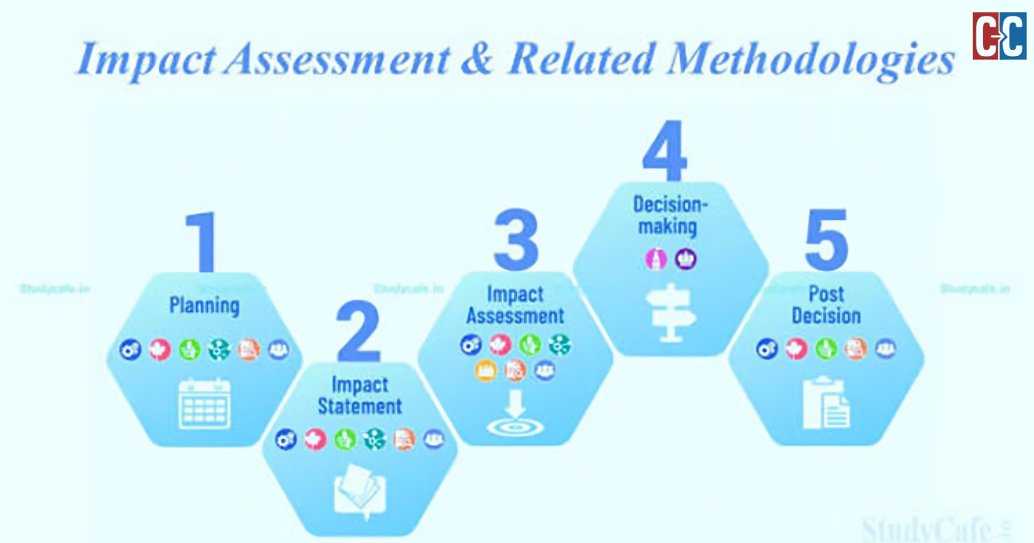
As a dynamic forum for experiential learning, networking, and community engagement, CRISP 2025 extended beyond technical business discussions. The exhibition halls displayed prototypes – electric two-wheelers produced using recycled products, AI-enabled water monitoring sensors, and scalable waste-to-energy initiatives demonstrating real-world applicability and scalability of responsible innovations. Practical workshops on impact assessment tools and design thinking for sustainability equipped participants with applicable strategies to incorporate responsible innovation into their respective ventures and organizations.
The conclave came to a conclusion with a call to action to all stakeholders: to create a collaborative ecosystem where innovation is based on sustainability goals, diversity, and ethical management of resources. As India seeks to fulfill its aspirations for inclusive, resilient, and environmentally responsible growth, initiatives such as the CRISP 2025 forum at IIM Visakhapatnam are critical for shifting mindsets, forging partnerships, and promoting responsible innovation at the heart of progress. The success of the conclave is not just the academic and policy discussions, the impact is real – it can inspire ideas and actions which will spread across sectors, communities, and society.
Photo Credit: Antara Mrinal
Clear Cut CSR Desk
New Delhi, UPDATED: Nov 11, 2025 03:48 IST
Written By: Antara Mrinal