
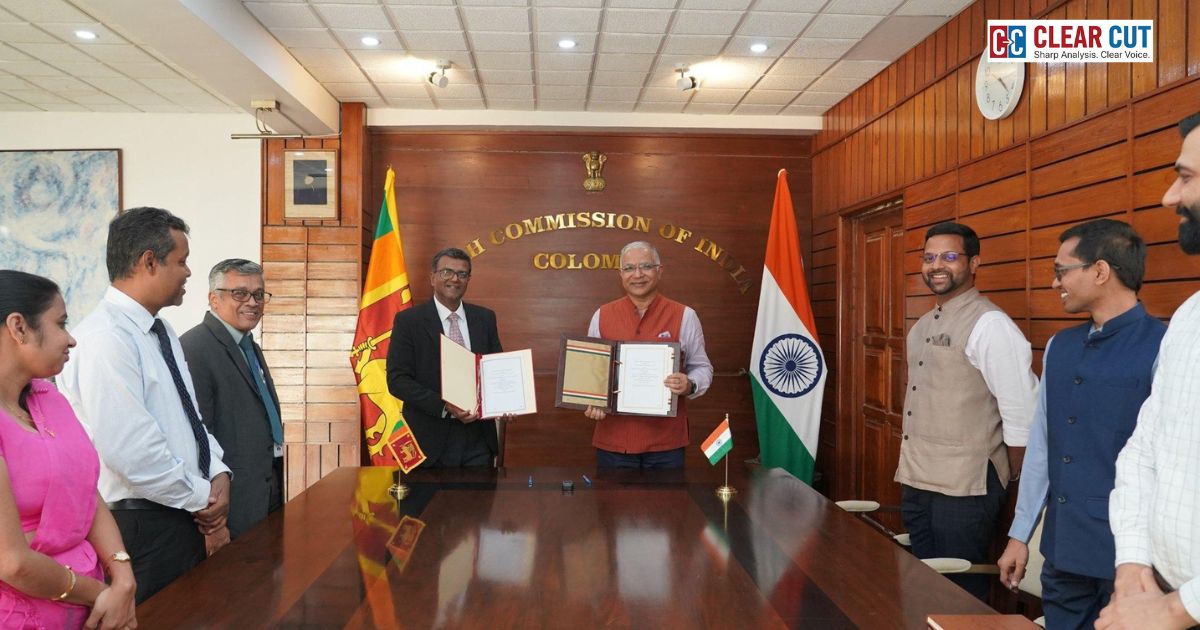
India and Sri Lanka have agreed to extend their High Impact Community Development Projects framework for five more years, in a renewed push for neighborhood development cooperation. An official statement was issued in this regard by the High Commission of India in Colombo in early November 2025. The extension keeps one of India’s most long-running grant-assistance programmes active in Sri Lanka, covering education, health, livelihood support, and community infrastructure.
A Partnership Built on Local Needs
The framework, HICDP, thus provides an opportunity for India to extend grant assistance to small and medium community projects in Sri Lanka. Each project is capped at 600 million Sri Lankan rupees, while the total approved portfolio can go up to 10 billion rupees. Unlike large infrastructure loans or commercial investments, these projects will be targeted at local communities with the aim of strengthening daily public services.
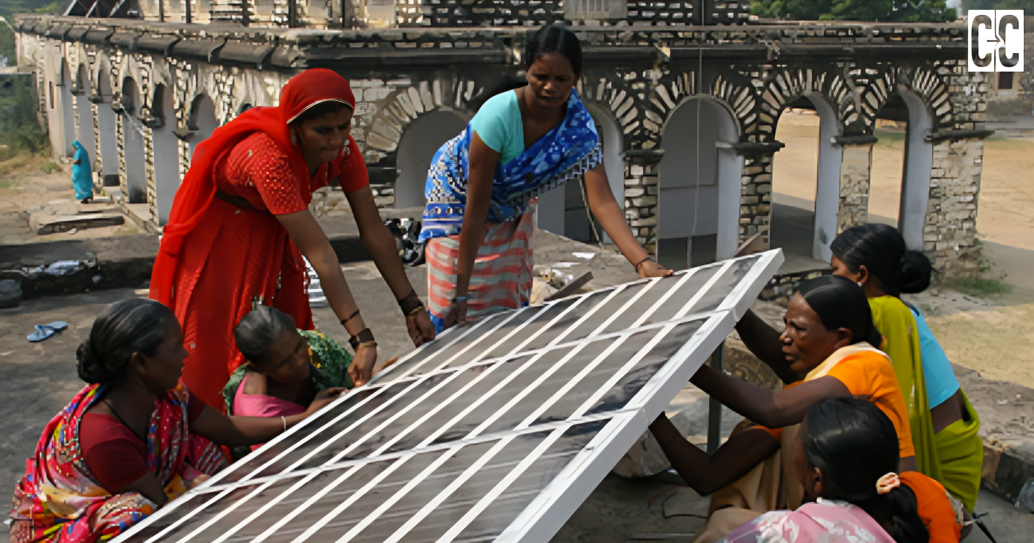
Over 50 projects have been successfully completed since this model was put into operation in 2005. These include the construction and upgrading of schools, pre-schools, and crèches in estate areas; building multi-purpose community halls; improving health centres; and developing livelihood facilities for rural women. Many of these programs serve tea estate workers, fishing communities, and low-income rural households.
This new extension indicates that both governments view small projects-which directly touch the lives of ordinary people-as something for which there is continued value.
Why This Extension Matters Now
Sri Lanka is still recovering from the economic crisis that began in 2022. The country has faced reduced public spending, pressure on basic services, and rising inequalities. In this context, extending HICDPs becomes important because they fill gaps left by limited government funding.
For India, the extension reinforces its strategy for the development of neighbours. New Delhi has placed much more focus on cooperation that is community-oriented rather than large infrastructure-based. By funding small-scale improvements in schools, health centres and women’s livelihood centres, India positions itself as a steady partner in Sri Lanka’s social recovery.
Policy researchers also observe that such projects generally enjoy high visibility and long-term social value. A renovated school or a functional rural health clinic engenders trust in the communities and offers benefits well beyond political cycles.
What kind of Projects Can Be Expected

Photo Credit: High Commission of India
Projects for HICDP over the coming five years are likely to remain within the same areas that have performed well to date. These include:
- Education support in rural and estate areas
- Upgrading of health posts and maternity care facilities
- Community halls, youth training centres, and cultural spaces
- Livelihood programmes directed at women and small entrepreneurs
- Improving water-supply and sanitation in less fortunate regions
Since each project is capped at 600 million rupees, the model avoids dependence on large contractors and instead encourages local participation. Community groups and district administrations often help in implementing the projects, increasing transparency and ownership.
A Broader Message for the Region
The extension of HICDPs sends a message beyond Sri Lanka. It reflects India’s growing effort to use development partnerships as a tool for regional stability. Small, fast-executed projects can help undergird social resilience in places like South Asia that have repeatedly suffered through economic shocks in recent years, when governments battle budget cuts or debt to international creditors.
For Sri Lanka, continued partnership consolidates a sense of regional support at a time when the country is still rebuilding confidence in its public systems. Many of the projects under HICDP are located in areas that have traditionally received low state investment, such as plantation communities and rural districts. This makes the impact more meaningful.
Challenges and the Road Ahead
While the HICDP model has been quite successful, its future impact does depend on implementation capacity. Delays in procurement in some districts or shortages of skilled workers have hampered progress. Monitoring of outcomes presents a challenge in quite remote areas. Ensuring that community buildings constructed are well maintained remains another concern.
But a five-year extension gives the governments a period to improve coordination. Indian officials have hinted that more emphasis will now be placed on transparency, local consultation and timely reporting.
Conclusion
The renewal of the High Impact Community Development Projects represents the continuance of a commitment between India and Sri Lanka on community-level development. At this time of economic pressure, these projects represent steadfast reassurance for schools, health centres, livelihoods, and local infrastructures that people rely on daily. The extension is more than a diplomatic gesture. It is a reminder that regional cooperation works best when it begins at the level of ordinary citizens.
Clear Cut Livelihood Desk
New Delhi, UPDATED: Nov,17 2025 03:05 IST
Written By: Janmojaya Barik