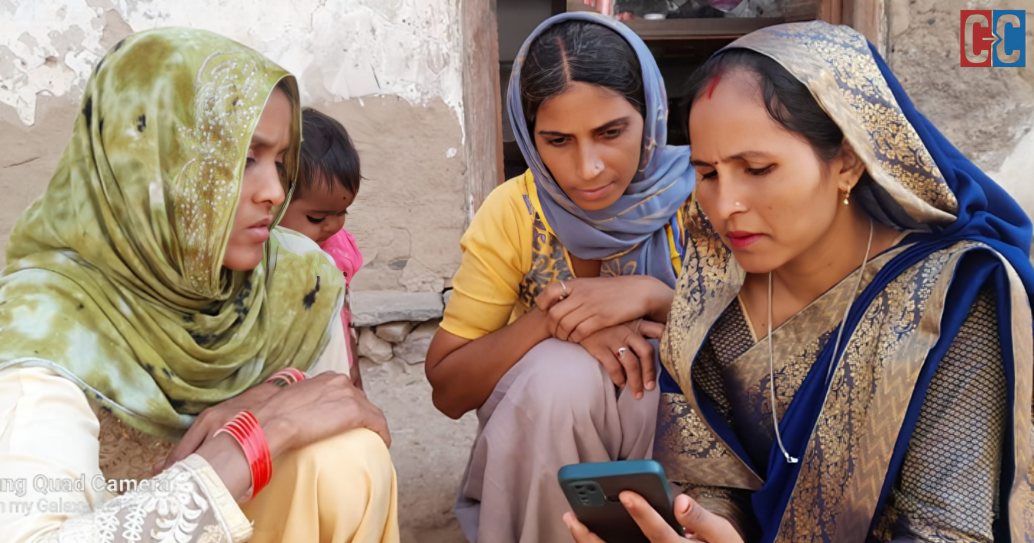


India’s latest Economic Survey has highlighted the potential of the new labour codes to transform the workforce by promoting gender parity, formal employment, and worker protection. In simple terms, the Survey argues that by simplifying labour laws and improving compliance, India can bring more women into the workforce, reduce informality, and create safer and more dignified working conditions.
The analysis places labour reforms not just as an economic necessity, but as a social intervention that can reshape how work is organised and who gets access to it.
What the Economic Survey Says
The Economic Survey, prepared under the guidance of the Ministry of Finance and tabled in Parliament ahead of the Union Budget, examines how India’s labour market has historically remained fragmented and informal. It notes that women are disproportionately affected by this informality, often working without contracts, social security, or workplace protections.
According to the Survey, the four labour codes consolidate 29 earlier laws into a simpler framework. This consolidation, it argues, can reduce compliance burdens for employers while improving transparency and enforcement for workers.
The Four Labour Codes Explained Simply
India has introduced four labour codes:
- The Code on Wages
- The Industrial Relations Code
- The Code on Social Security
- The Occupational Safety, Health and Working Conditions Code
Officials involved in drafting the reforms have stated that these codes aim to create a balance between worker welfare and economic flexibility. By standardising definitions of wages, employment, and benefits, the codes seek to make formal employment more attractive for both employers and workers.
Why Gender Parity Is Central to the Reform
The Survey points out that India’s female labour force participation rate remains significantly lower than that of men. One major reason is the lack of safe, predictable, and secure working conditions.
The labour codes address this gap by mandating:
- Clear wage definitions to reduce gender pay gaps
- Expanded social security coverage for informal and gig workers
- Improved safety norms, including provisions relevant to women workers
Policy advisors associated with the Survey have emphasised that formalisation is essential for women to enter and remain in the workforce.
Formalisation as a Path to Inclusion
A key argument in the Survey is that informality keeps workers invisible. Informal jobs often lack written contracts, maternity benefits, health insurance, or grievance mechanisms. Women, especially from lower-income backgrounds, are overrepresented in such roles.
By encouraging registration of establishments and workers, the labour codes aim to bring more people under formal systems. Labour department officials note that once workers enter formal frameworks, they gain access to legal remedies, social security schemes, and institutional protection.
This shift could significantly improve economic security for women workers.
Social Security and the Care Economy
The Code on Social Security has particular relevance for women. It expands coverage to categories such as gig workers, platform workers, and unorganised labour, where women’s participation is growing.
Economists involved in policy discussions have pointed out that recognising these forms of work acknowledges the changing nature of employment. It also opens pathways for maternity benefits, healthcare access, and old-age security, which are critical for women’s long-term participation in the workforce.
Workplace Safety and Dignity
The Occupational Safety, Health and Working Conditions Code strengthens norms around workplace safety. It requires employers to meet minimum standards related to health, working hours, and conditions.
For women, safer workplaces directly influence participation decisions. Surveys consistently show that concerns around harassment, unsafe transport, and poor facilities limit women’s mobility and employment choices. Officials associated with labour reform consultations have stated that clearer safety standards can help address these barriers.
Economic Growth and Productivity Gains
Beyond social outcomes, the Economic Survey links labour reforms to productivity and growth. A more formal workforce improves data quality, tax compliance, and skill development.
By increasing women’s participation, the economy can tap into an underutilised talent pool. Policy analysts within the government have noted that higher female workforce participation correlates with stronger household incomes and broader development outcomes.
Challenges in Implementation
While the Survey presents an optimistic picture, it also acknowledges challenges. Labour is a concurrent subject, and states play a key role in implementing the codes. Differences in state readiness, administrative capacity, and political priorities could affect outcomes.
Trade unions and worker groups have raised concerns about job security and enforcement. Government officials have responded by stressing the need for dialogue, phased implementation, and robust monitoring mechanisms.
The Social Dimension of Labour Reform
At its core, the Survey frames labour codes as tools for social transformation. Formal work provides dignity, predictability, and protection. For women, it can mean financial independence, reduced vulnerability, and stronger bargaining power within households.
By linking labour reform with gender parity, the Survey signals a shift in policy thinking. It recognises that economic growth and social inclusion must move together.
Key Highlights from the Economic Survey
- Labour codes can promote gender parity by formalising work
- Simplified laws improve compliance and transparency
- Expanded social security benefits women and informal workers
- Safer workplaces encourage higher female participation
- Effective state-level implementation remains crucial
Looking Ahead
The Economic Survey positions labour reform as a foundation for India’s future workforce. If implemented effectively, the labour codes could reduce informality, narrow gender gaps, and strengthen worker rights.
For women, the promise lies not just in new laws, but in consistent enforcement and cultural change. As India navigates its growth path, the success of these reforms will depend on whether policy intent translates into safer, fairer, and more inclusive workplaces across the country.
Clear Cut Review Desk
New Delhi, UPDATED: Jan 31, 2026 09:00 IST
Written By: Samiksha Shambharkar