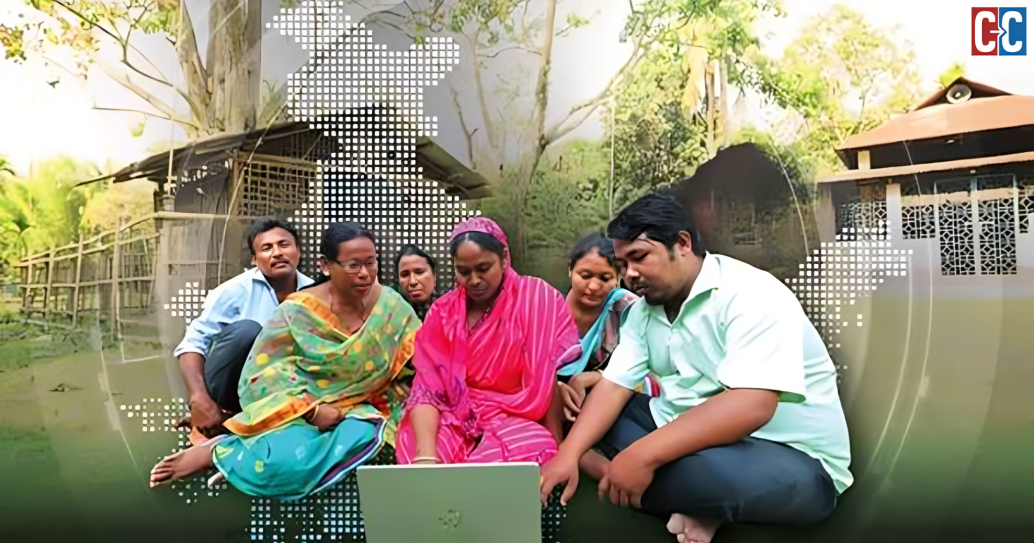

NITI Aayog and UNICEF India have partnered to improve maternal and child nutrition in Aspirational Districts through strengthened Anganwadi centres, frontline worker training, and CSR-supported initiatives. The collaboration aims to boost health outcomes and create scalable models for underserved regions.
India’s policy think tank NITI Aayog has signed a Statement of Intent with UNICEF India to strengthen health and nutrition outcomes in the country’s most underserved regions. The collaboration focuses on improving maternal and child nutrition across Aspirational Districts and Aspirational Blocks. These areas were identified by the government as regions that need accelerated development across key social indicators.
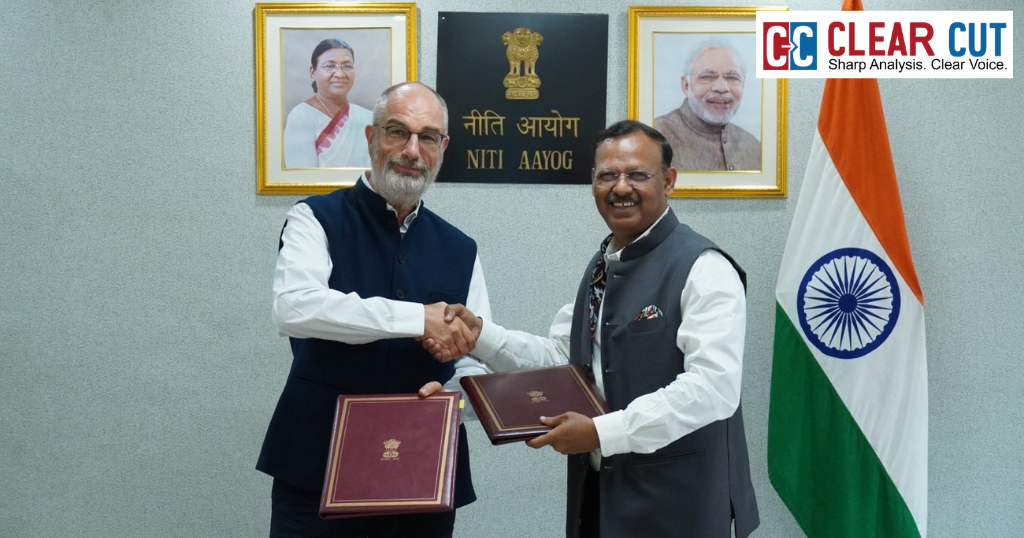
The agreement was signed by Rohit Kumar, Additional Secretary and Mission Director of the Aspirational Districts and Blocks Programme at NITI Aayog, and Arjan de Wagt, Deputy Representative at UNICEF India. Officials say the partnership will combine policy support, technical expertise and private sector participation to improve nutrition outcomes and strengthen health systems in these priority regions.
The collaboration also aims to strengthen implementation systems at the block level and expand community participation in nutrition programmes.
CSR Funding and Private Sector Participation
A central pillar of the partnership is UNICEF’s IMPAct4Nutrition platform. This initiative will help mobilise Corporate Social Responsibility investments from companies and industry associations to support nutrition initiatives. These funds will help expand infrastructure, training and awareness programmes across the targeted districts.
According to NITI Aayog, the initiative will focus on improving Anganwadi infrastructure, strengthening nutrition literacy among families, and increasing the utilisation of services under the Integrated Child Development Services scheme. The programme will also support training and capacity building for frontline workers such as ASHA and Anganwadi staff.
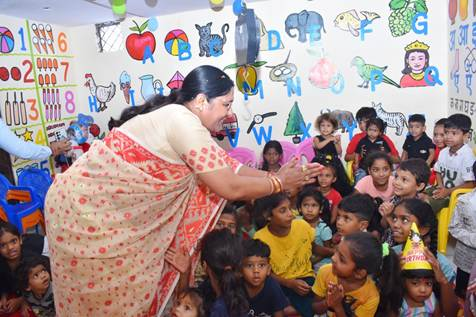
These workers play a critical role in delivering healthcare, nutritional supplements and early childhood care in rural communities. Strengthening their training and resources is expected to improve the quality of last-mile service delivery.
Focus on Aspirational Districts Programme
The partnership builds on the government’s Aspirational Districts Programme, launched in 2018 to accelerate development in districts with weaker socio-economic indicators. The programme focuses on sectors such as health, nutrition, education, agriculture, infrastructure and financial inclusion.
Rohit Kumar of NITI Aayog highlighted the importance of partnerships in addressing developmental challenges. He said the Aspirational Districts and Blocks Programme has demonstrated how convergence and data-driven governance can accelerate development outcomes. Kumar also stated that collaboration with organisations like UNICEF will strengthen efforts to address critical health and nutrition challenges and improve last-mile service delivery in high-priority regions.
Arjan de Wagt of UNICEF India also emphasised the importance of multi-stakeholder collaboration in addressing malnutrition and child health challenges. He noted that UNICEF’s technical expertise and partnerships with businesses will help scale effective nutrition interventions across underserved regions.
Strengthening Grassroots Health Systems
Officials say the partnership will prioritise grassroots service delivery. Community awareness campaigns will educate families on healthy diets, breastfeeding and child nutrition. Knowledge-sharing platforms will also help identify successful models and replicate them across other districts.
The agreement also aims to create a stronger link between government programmes, private sector investments and community participation. This integrated approach is expected to strengthen the delivery of nutrition services and improve child growth indicators in the long term.
Global and National Support for Nutrition Initiatives
International organisations have repeatedly highlighted the importance of improving nutrition outcomes for long-term development. UNICEF Executive Director Catherine Russell stated in a global nutrition briefing that “investing in child nutrition is one of the most powerful investments countries can make in human capital and economic growth.”
Similarly, United Nations Secretary-General António Guterres has said at global health forums that ending malnutrition is critical for achieving the Sustainable Development Goals. He noted that stronger partnerships between governments, international organisations and the private sector are essential to accelerate progress.
In India, policymakers have also emphasised the role of collaborative initiatives in tackling malnutrition. NITI Aayog Vice Chairman Suman Bery said during a policy discussion last year that improving health and nutrition outcomes is essential for building a productive workforce and sustaining economic growth.
Development experts also view CSR participation as an important step. Industry leaders participating in the IMPAct4Nutrition platform have noted that private sector involvement can help scale innovations in nutrition awareness, food fortification and community health programmes.
A Step Toward Stronger Human Capital
India continues to face significant challenges in maternal and child nutrition, especially in remote and economically weaker districts. Experts say the new partnership between NITI Aayog and UNICEF could help bridge these gaps by combining government programmes, technical expertise and corporate funding.
By strengthening Anganwadi centres, training frontline health workers and mobilising private sector resources, the initiative aims to improve nutrition outcomes where they are needed most.
If implemented effectively, the collaboration could help transform health services in Aspirational Districts and create a scalable model for addressing malnutrition across developing regions.
Clear Cut Health, CSR Desk
New Delhi, UPDATED: March 12, 2026 05:00 IST
Written By: Ayushman Meena