


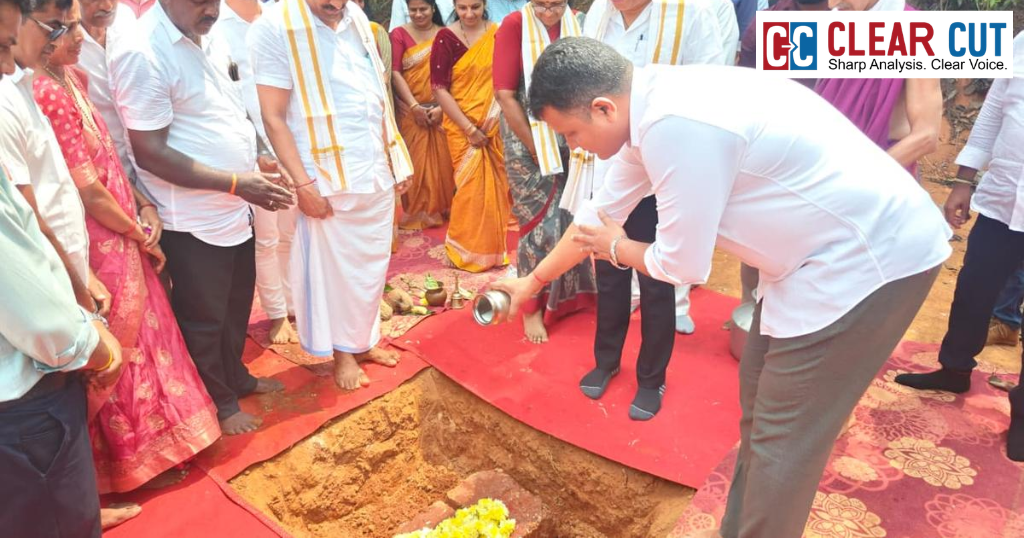
The Centre has approved over ₹80 crore to establish 124 Ayushman Bharat Health and Wellness Centres in Dakshina Kannada to strengthen primary healthcare access in rural areas. The centres will provide consultations, diagnostics and preventive services closer to local communities.
The Union government has approved more than ₹80 crore to establish 124 Ayushman Bharat Health and Wellness Centres (HWCs) in Karnataka’s Dakshina Kannada district. The move aims to strengthen primary healthcare infrastructure and expand access to medical services in rural areas.
According to media reports, the new centres will be distributed across six taluks in the district. Puttur will receive 18 centres, Beltangady 26, Sullia 27, Bantwal 33, Moodbidri 12 and Mangaluru eight centres. Each facility will receive roughly ₹65 lakh for construction and infrastructure development.
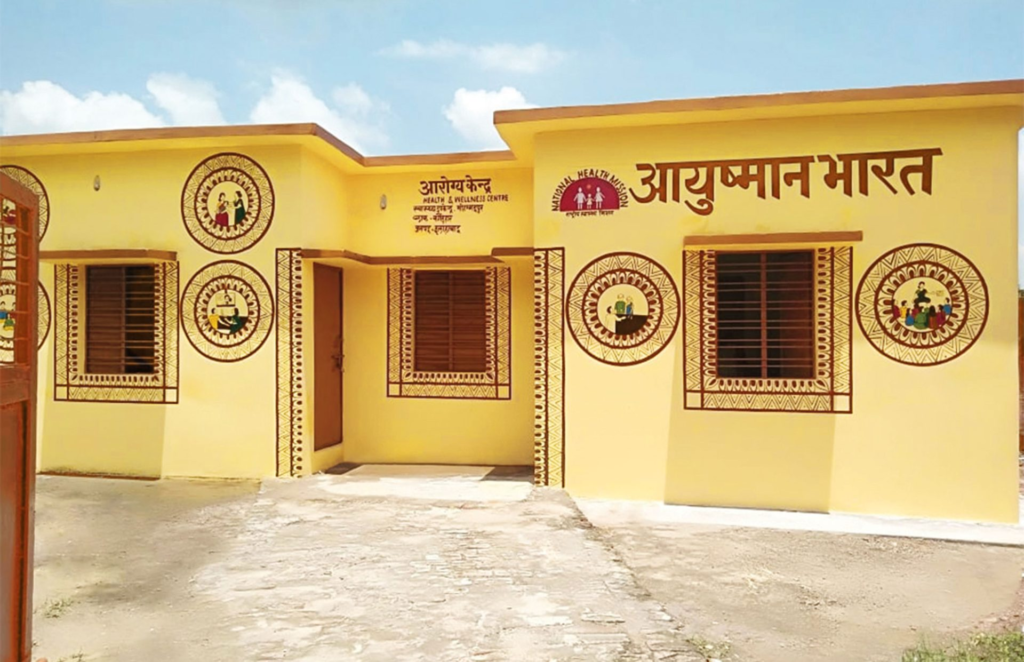
Officials said the centres will typically span about 2,000 square feet. The buildings will include clinical consultation rooms, diagnostic areas, wellness spaces and basic residential quarters for staff. Authorities believe these facilities will help bridge healthcare gaps in rural communities where hospitals remain distant.
Implementation Work Underway
Local representatives confirmed that construction activity has already begun at several locations. Work has started at multiple sites in Bantwal taluk, while tenders and planning processes continue for the remaining centres.
Dakshina Kannada Member of Parliament Capt Brijesh Chowta said the funding reflects the Centre’s commitment to improving grassroots healthcare infrastructure. He explained that the project is supported through multiple government initiatives including allocations under the 15th Finance Commission and the Pradhan Mantri Ayushman Bharat Health Infrastructure Mission.
Chowta said the initiative will help ensure healthcare access reaches remote communities. He noted that many residents in rural areas often travel long distances for basic treatment and diagnostic services.
Role of the Ayushman Bharat Programme
The project forms part of the broader Ayushman Bharat healthcare reform programme, one of India’s largest public health initiatives. The programme focuses on two major pillars. The first pillar provides health insurance coverage through Pradhan Mantri Jan Arogya Yojana, while the second focuses on strengthening primary healthcare through wellness centres.
Prime Minister Narendra Modi has frequently highlighted the importance of expanding preventive healthcare infrastructure. During the launch of a national health infrastructure programme, he stated that healthcare systems must focus on early diagnosis and accessible services. “Health and Wellness Centres will bring free consultation, medicines and diagnostic services closer to people’s homes,” Modi said while outlining the government’s healthcare vision.
Union Health Minister Mansukh Mandaviya has also emphasized the growing scale of the wellness centre network. While speaking at a national healthcare conference, he said India has rapidly expanded its primary healthcare system through these facilities. “Health and Wellness Centres are the foundation of preventive healthcare in India and a major step toward universal health coverage,” Mandaviya stated.
Focus on Preventive and Community Health
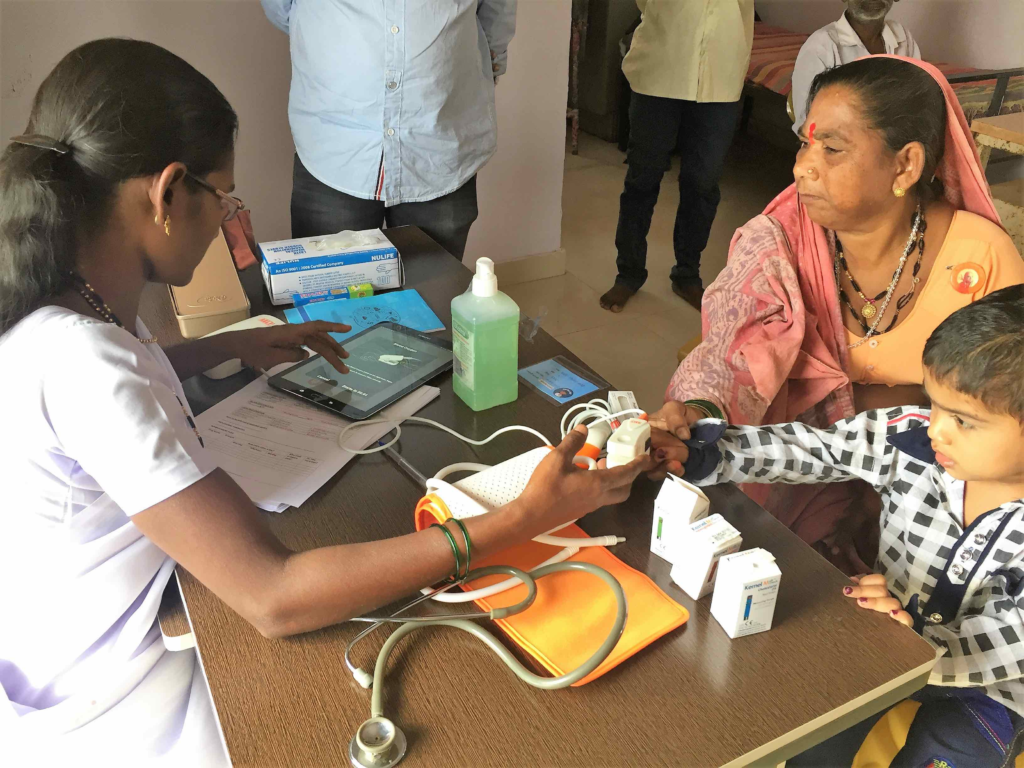
Health and Wellness Centres aim to go beyond the traditional model of primary health centres. These facilities offer services such as screening for non-communicable diseases, maternal and child healthcare, essential diagnostic tests and routine medical consultations.
They also promote wellness activities such as yoga, lifestyle counselling and preventive health check-ups. Public health experts believe this model can reduce the long-term burden on hospitals by identifying health problems at an early stage.
Dr Tedros Adhanom Ghebreyesus, Director-General of the World Health Organization, has repeatedly highlighted the global importance of strong primary healthcare systems. Speaking during a global health assembly, he said, “Primary healthcare is the most inclusive and cost-effective approach to achieving universal health coverage.”
National Efforts to Expand Healthcare Access
India has significantly expanded healthcare infrastructure over the past decade. The government has increased the number of medical colleges, expanded insurance coverage for vulnerable populations and invested in local health infrastructure.
During a healthcare event in northern India, Chief Minister Yogi Adityanath noted that national healthcare programmes have improved medical access for millions of citizens. He said the expansion of health facilities under central schemes has brought treatment closer to communities that previously lacked reliable services.
International health experts have also recognised the role of primary healthcare expansion in strengthening health systems. Dr Soumya Swaminathan, former Chief Scientist at the World Health Organization, said during a public health conference that community-level healthcare infrastructure plays a crucial role in improving national health outcomes. “Strong primary healthcare systems ensure early diagnosis, continuous care and better health outcomes for populations,” she noted.
Strengthening Healthcare at the Grassroots
The establishment of 124 Health and Wellness Centres in Dakshina Kannada represents a significant step toward strengthening community level healthcare. Once operational, these centres will bring essential medical services closer to people by offering consultations, basic diagnostic facilities and preventive screenings to thousands of residents across the district.
The initiative is expected to improve access to care in villages while easing the burden on urban hospitals. By making primary healthcare more accessible within local communities, it will help ensure that people receive timely medical attention without the need to travel long distances.
More importantly, the expansion reflects a broader vision of building a stronger and more inclusive healthcare system. By investing in primary healthcare infrastructure, policymakers aim to create a system where quality medical services are available to communities across the country, including those in rural and remote areas.
Clear Cut Health Desk
New Delhi, UPDATED: March 14, 2026 01:00 IST
Written By: Ayushman Meena
wish you best and best
Thank you! Your support means a lot. Stay connected for more updates.