
India’s GDP ranking decline in 2026 is mainly due to rupee depreciation and data revisions, even though real economic growth remains strong. However, the real concern is that despite this growth, there has not been significant improvement in nutrition, employment, and overall social development.
The Ranking and the Reaction
The IMF’s April 2026 World Economic Outlook came out with a new set of numbers, and right away, people noticed India had slipped to sixth place in the global economy rankings, based on nominal GDP now at $4.15 trillion. This put India just behind the UK at $4.26 trillion and Japan at $4.38 trillion, both of which India had recently overtaken. Of course, the US stayed at the top with a massive $32.38 trillion, followed by China at $20.85 trillion and Germany at $5.45 trillion.
The political fallout was immediate. Opposition parties jumped on the ranking, calling it proof that the government was bungling economic management. Government economists shot back with the actual reasons for the fall: the rupee had dropped by about 11 percent against the dollar in 2026, which pulled down the GDP when you measure it in dollars. Plus, the government changed the GDP base year to a more recent period ( 2022-23 instead of 2011-12 ) which clipped about four percent off the official size. Chief Economic Adviser V. Anantha Nageswaran explained that while the revision made India look smaller on paper, it painted a more accurate, modern picture of the economy. The IMF, meanwhile, focused on the bigger story: real GDP growth of 6.5 percent, the fastest among major economies. The Fund projected that India would bounce back to fourth place by 2027, with GDP heading to $4.58 trillion.
The Numbers No One Talked About
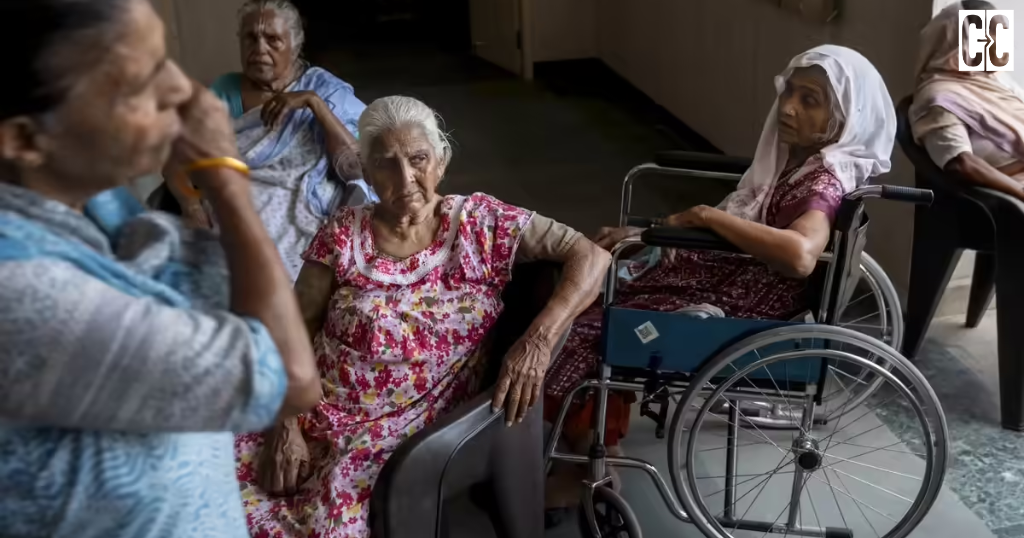
Most of the talk that week obsessed over the rankings. What barely got a mention was all the new social development data released at the same time. Year after year of around 6.5 percent real growth has made India wealthier, but that hasn’t translated into big gains for the poorest: rates of poverty, child malnutrition, and basic development in the hardest-hit areas haven’t shifted much. The latest Global Social Progress Index highlighted slipping scores on personal rights, health, safety, and environment worldwide, and said India’s acceleration in the economy isn’t matched by progress in human development.
The IMF didn’t ignore the global headwinds either, they pointed at the war in West Asia, warning of more uncertainty, commodity price spikes, and financial stress. For India, that means higher fuel bills, uncertain remittance inflows from workers in the Gulf, and a jittery market for exports. And the fallout isn’t the same for everyone: rising fuel costs hit informal workers’ paychecks hard, while investors with money in the stock market face a totally different set of risks.
What Growth Numbers Leave Out
India’s real problem isn’t that growth is too slow. It’s that the benefits of all that growth are unevenly spread and the country isn’t investing enough to fix the deeper, structural gaps. Sure, the IMF expects India to clinch fourth place again in nominal GDP by next year, but underneath, some vital numbers barely budge. The most recent Family Health Survey shows that over a third of Indian children under five are still stunted. That’s hardly changed, no matter how big the economy gets. Female workforce participation is stuck at about 35 percent, far behind where the country needs to be. Reports estimate India will need to put 400 million women in quality jobs by 2047, but, for now, the country’s on track to add only a fraction of that.

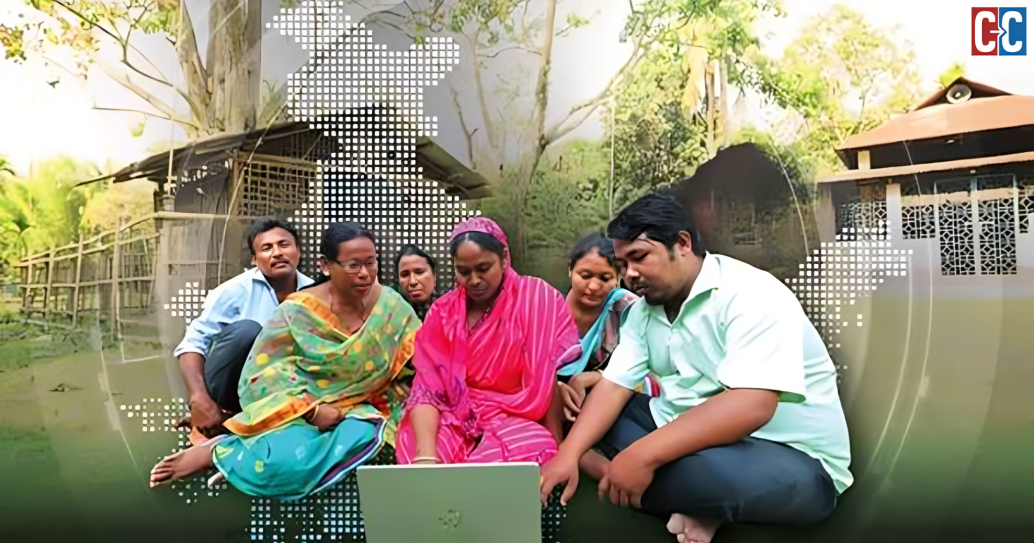
These aren’t side issues but they’re at the heart of the growth story. Being ranked fourth or sixth in the world economy might make headlines, but it doesn’t tell you anything about a child’s nutrition in rural Jharkhand or a woman’s shot at a better job in Rajasthan. Those stories are hidden behind the headlines and barely got a mention in the wave of commentary about India’s new spot in the GDP league table.
Conclusion
In the end, the IMF’s ranking change mostly came down to accounting moves such as rupee depreciation, a base year update, more than any major shift on the ground. The real growth rate is still strong. The political fuss over the ranking shows how easy it is to confuse GDP numbers with actual progress for ordinary people. What matters much more than where India lands in the next round of rankings are the challenges hiding in the nutrition figures, the job numbers for women, and the glaring gaps between headline growth and real, lived experience across districts. That’s the story that’s getting drowned out in the race to climb the charts.
Clear Cut Research, Livelihood Desk
New Delhi, UPDATED: April 28, 2026 01:00 IST
Written By: JAY