
Sudan’s crisis is not “forgotten” but deliberately abandoned, with millions in need while global funding and action fall drastically short. Despite clear evidence of war, famine, and displacement, the gap in aid reflects a political choice rather than a lack of awareness.
The Word She Chose
On April 13, 2026, Denise Brown, the UN Humanitarian Coordinator in Sudan, spoke to journalists in New York from Khartoum. She didn’t just give the usual update, she wanted to set the record straight. “Please don’t call this a forgotten crisis,” she said. “I’m referring to this as an abandoned crisis.” She didn’t pick that word by accident. When you say “forgotten,” you’re saying the world just lost track. But “abandoned” is harsh for a reason. It means people saw what was happening, understood it, and then looked away. That’s not a slip but it’s the view of someone who knows the system inside out.
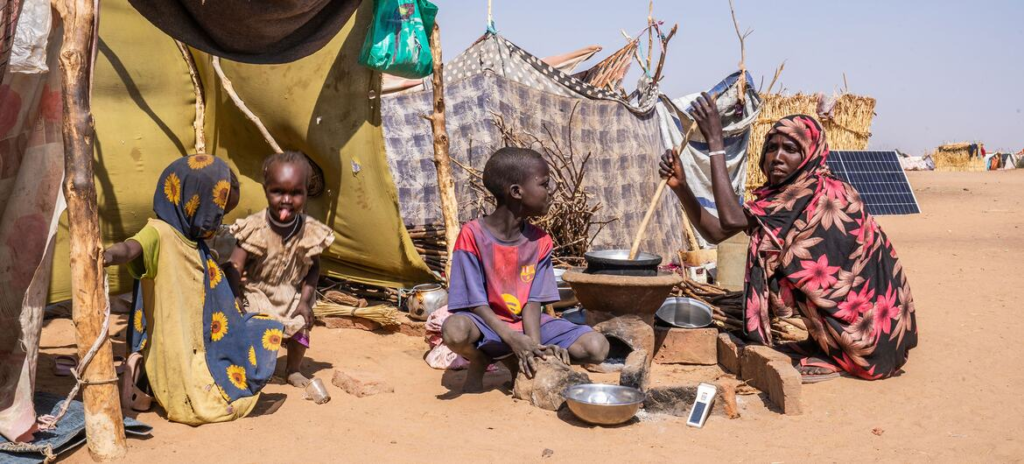
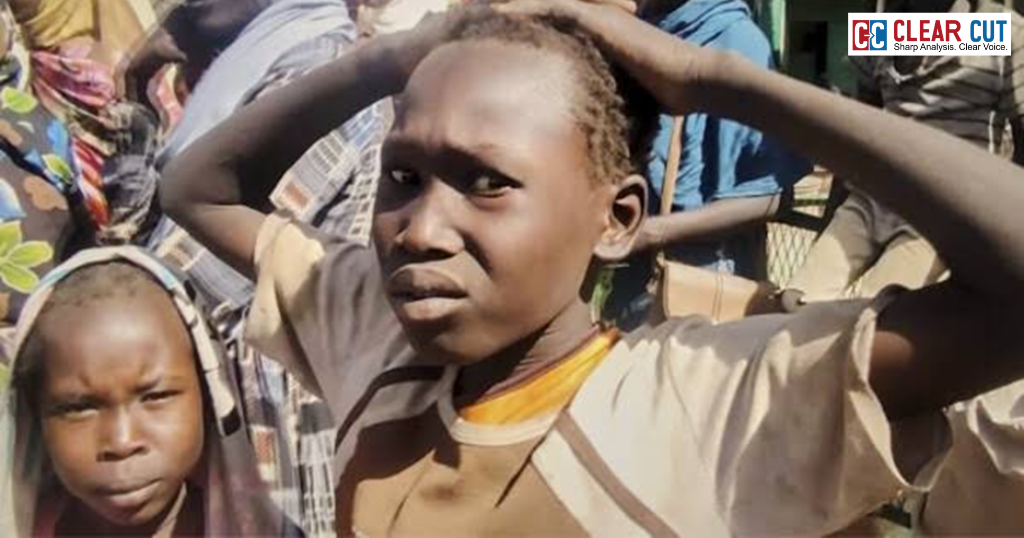
Sudan’s civil war, now in its fourth year, has dragged on since April 2023, pitting the Sudanese Armed Forces against the Rapid Support Forces. According to the International Rescue Committee, the fighting has killed more than 150,000 people, and human rights groups have recorded attacks on civilians over and over. The IRC says 33.7 million people, which is about two-thirds of Sudan’s population, need humanitarian aid. Think about that: Sudan makes up 10 percent of the world’s total humanitarian needs. Nine million people are displaced inside the country, and another 4.5 million mostly women and kids have fled to nearby countries like Chad, South Sudan, Libya, and Egypt.
Why “Abandoned” Fits
These numbers turn “abandoned” from a word into a brutal fact. Last year, Sudan’s humanitarian response plan only got a third of the funding it needed. This year, as Denise Brown put it on April 13, it’s even worse: just 16 percent funded out of a $2.8 billion appeal. Amy Pope, the head of the IOM, summed it up even more clearly the next day: “Right now, needs are outpacing our ability to respond, and that gap is measured in human lives. Every day assistance is delayed, families go without food, water, or safety.”
The Berlin International Sudan Conference on April 15 brought in a big pledge from Europe which is over €812 million, according to the European Commission. That sounds huge, and it matters. The EU will send €215.5 million to help people inside Sudan, and €145.3 million for refugees in neighboring countries. But stack that up against a $2.8 billion target with only a fraction covered, and the hole becomes obvious. Even big gestures from Europe and the US don’t answer the real question — why, three years into what the UN calls the world’s largest displacement emergency, does so much of the appeal still sit unfunded?
Life on the Ground
Behind these numbers are people caught in the gap. The OCHA April 2026 report lays it out: over a third of Sudan’s health facilities aren’t working, says the WHO. There have been 217 verified attacks on health infrastructure, leaving more than 2,000 dead and hundreds more wounded including health workers and patients themselves. One attack on El Daein Teaching Hospital in East Darfur killed at least 64 people, among them children and medics, and shut down the region’s key referral hospital. Dr Tedros Adhanom Ghebreyesus, the WHO’s chief, didn’t mince words: “The war in Sudan is devastating lives and denying people their most basic rights, including health, water, food and safety. Ultimately, the best medicine is peace.”
Conditions in Darfur are so dire that aid convoys can’t get through to some areas. People flee bombardments day after day. Humanitarian groups have treated nearly 2,500 survivors of sexual violence in the last year. OCHA calls conflict-related sexual violence “rampant and relentless.” What does that mean? It means rape, gang rape, abduction, forced marriage, sexual slavery, even children just one year old among the victims. Over 4 million people are severely malnourished, and famine is now officially confirmed in several regions.
More Than a War — A Climate and Displacement Crisis
It’s not just the fighting. The IOM points out that climate disasters are making things worse: heavy rain, flooding, scorching heat—they’re all pushing people deeper into hunger and disease, as if the war wasn’t enough. Supply chains are breaking down too, partly thanks to the wider Middle East conflict that’s thrown off air routes and shipping lanes needed to bring in aid. The bottom line: Sudan’s suffering isn’t happening in a vacuum. The same politics and conflicts that choke off funding are scrambling the delivery of help.
And the aid gap? It’s not just a numbers issue. The IRC bluntly points to US aid cuts as a direct reason for scaling back critical services for refugees, especially in South Sudan. You don’t have to guess at the link between shrinking budgets and only 16 percent of Sudan’s humanitarian needs being met. Aid groups are making clear, difficult choices every day based on how much support they actually get.
A Political Choice
Denise Brown’s correction from “forgotten” to “abandoned” lands like a punch. Three years of war. 33.7 million people need help. Appeals for $2.8 billion, and just scraps of funding. Over 200 verified attacks on hospitals. Entire regions in famine. Sexual violence called “rampant and relentless.” The world knows exactly what’s happening in Sudan. It’s known for three years.
The real issue isn’t ignorance, or lack of information. The world is choosing not to act again and again. Governments with the power and the means have decided, for now, not to close the gap. Brown picked her words carefully. And she’s right.
Clear Cut Health Desk
New Delhi, UPDATED: April 28, 2026 09:00 IST
Written By: JAY