
India’s growing ESG regulations are transforming how NGOs and development organisations access CSR funding, pushing them toward stronger impact measurement and compliance systems. While ESG creates new opportunities for collaboration and blended finance, smaller grassroots organisations risk being excluded due to limited compliance capacity.
The Proposal She had to Rewrite Three Times
Deepika Nair has worked in rural livelihoods development in Odisha for eleven years. Her organisation is a small NGO with 28 staff members working with women. SHGs across six districts had a track record any donor would respect: 4,200 women trained, 312 micro-enterprises supported, measurable income improvement documented across three cohorts. In 2024, when she applied for funding from the CSR arm of a listed Indian manufacturing company, she was asked to submit an ESG impact matrix aligned with SEBI’s BRSR framework. She had never written one. Her first submission was returned. So was her second. By the third draft, she had learned a new language.
Deepika’s experience is not unique. It is emblematic of a tectonic shift reshaping the Indian development sector: the mainstreaming of Environmental, Social, and Governance (ESG) frameworks, driven by regulatory mandates, investor pressure, and corporate strategy, is fundamentally changing how funding flows, what programmes get built, and who gets to participate in the accountability conversation. The development sector like NGOs, civil society organisations, social enterprises, and implementing agencies are navigating this shift in real time, without a map.
What ESG Actually Means in Practice
India’s ESG regulatory architecture has moved fast. The Securities and Exchange Board of India mandated Business Responsibility and Sustainability Reporting for the top 1,000 listed companies by market capitalisation from FY 2022-23, with the BRSR Core framework extending third-party ESG assurance requirements to the top 150 companies from FY 2023-24. SEBI’s 2025 revisions tightened disclosure requirements while easing some withdrawal rules, and advanced plans for the Indian Carbon Market, which is expected to gain traction in 2025 with pilot carbon pricing programmes.
For the corporate sector, ESG is no longer a reputational exercise. Studies cited in India’s ESG ecosystem analysis indicate a negative correlation between strong corporate governance scores and stock price volatility. ESG performance is affecting capital access: investors are increasingly using ESG ratings to screen Indian companies, and companies with poor environmental or labour records face both reputational and financial consequences. The Times of India Social Impact Summit 2025, supported by EY, brought together corporate leaders, government stakeholders, and civil society to explore integrated ESG frameworks including blended finance, circular economy models, and just transition frameworks for labour.
The Development Sector in the Middle
The development sector sits at the intersection of this ESG wave, both as a beneficiary and as an actor under pressure. Around 62% of Indian NGOs work locally, providing deep community engagement that corporations cannot replicate. Long-term CSR partnerships of two to three years or more are now preferred by funders over project-by-project grants, reflecting an ESG-aligned preference for sustained, measurable impact over short-term charity. Companies are increasingly using NGOs not merely as service providers but as knowledge partners in ESG strategy, bringing ability in community engagement, gender equity, and environmental restoration that corporate teams lack.

But the ESG wave also creates barriers. Capacity gaps in smaller NGOs are real: many organisations struggle with documentation, compliance, and proposal writing in ESG terminology. The EY-supported analysis of India’s CSR and ESG convergence found that workforce diversity efforts in the corporate sector often lack an integrated approach, with gaps in equal representation across sectors. NGOs that work in disability inclusion, tribal livelihoods, or informal sector welfare are often most expert in exactly the communities that ESG frameworks claim to prioritise, but they lack the compliance infrastructure to access ESG-linked funding.
Where the Influence is most transformative
The most promising ESG-development convergence is in blended finance: instruments that combine public, philanthropic, and commercial capital to fund social and environmental outcomes at scale. Social impact bonds, development impact bonds, and green bonds are beginning to flow toward Indian development organisations with strong outcome measurement systems. The Directors Institute’s 2024 analysis documented how NGOs are increasingly acting as catalysts for new policy creation within the ESG space, collaborating with businesses and legislators to integrate sustainability principles into legal and regulatory frameworks.
Deepika’s organisation eventually got the funding. Her ESG impact matrix, built over three painful drafts, now serves as a template for five other NGOs in her network. The corporate partner extended the engagement for a second year — with a seat for Deepika at the company’s CSR advisory table. That is the ESG influence the development sector needs: not compliance as a gatekeeper, but collaboration as a system builder.
Conclusion
The rise of ESG in India’s development ecosystem is genuinely transformative. It is bringing rigour, measurement, and strategic intent to funding that was often episodic and opaque. It is creating channels for development organisations to connect with corporate resources at scale. And it is forcing a long-overdue conversation about what social impact actually means and how it should be measured.
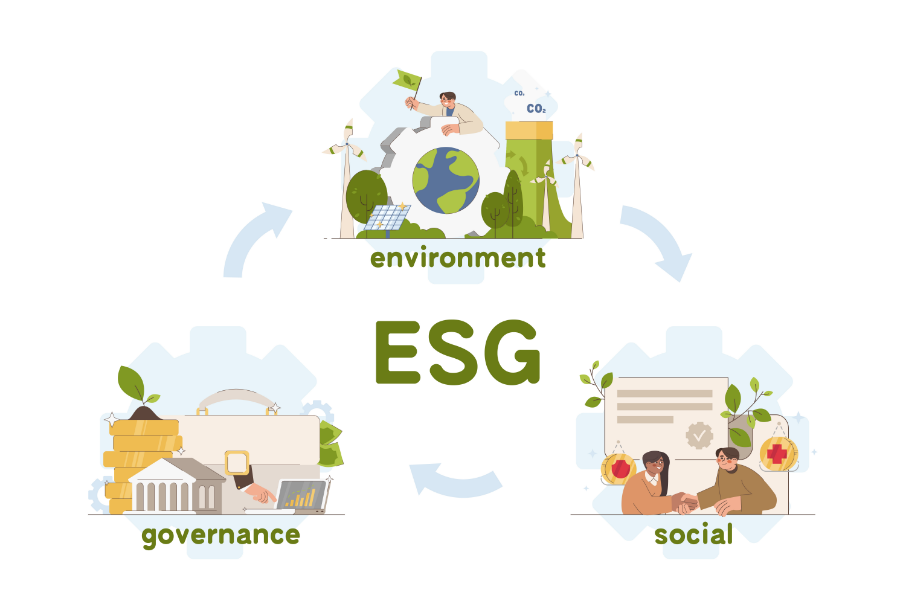
But ESG must not become a gatekeeping mechanism that concentrates development resources in organisations wealthy enough to afford ESG compliance infrastructure while locking out the grassroots groups closest to the most marginalised communities. SEBI, MCA, and the Ministry of Social Justice must co-create a simplified ESG disclosure framework for development sector organisations below a defined threshold. Capacity-building grants for ESG compliance must be a standard component of CSR-NGO partnership agreements. The development sector must help write the ESG standards it will be measured against — not discover them on page three of a returned grant application.
Clear Cut CSR, Research Desk
New Delhi, UPDATED: May 11, 2026 03:00 IST
Written By: JAY