
- India’s updated NDCs prioritize an “electrons-first” strategy, focusing on direct electrification through renewable energy while using green hydrogen and biofuels only for sectors that are difficult to electrify.
- The article argues that India’s climate transition must balance economic growth, energy security, and poverty reduction, offering a pragmatic model tailored to the needs of the Global South rather than replicating developed nations’ approaches.
Climate discourse often treats decarbonisation like a universal one-pot recipe: add renewables, subtract fossil fuels, stir in net-zero targets, and serve before 2050. But for countries in the Global South such as India, still navigating poverty alleviation, industrial growth, and reliable energy access simultaneously, the transition cannot be copypasted from the Global North template. India is not transitioning from abundance to sustainability; it is trying to maintain a proper balance between growth and climate action to meet the twin objectives of addressing energy poverty alongside environmental sustainability.
That distinction is crucial and is perhaps most visible in India’s recently submitted Nationally Determined Contributions (NDCs) to the United Nations Framework Convention on Climate Change (UNFCCC). The revised climate commitments represent one of the most pragmatic and forwardlooking climate strategies among major economies, as they attempt to meet the climate goal while also grounded enough to withstand reality. India now aims to reduce the emission intensity of its GDP by 47% from 2005 levels by 2035, building upon the nearly 36% reduction already achieved by The country is also targeting 60% non-fossil installed power capacity by 2035, after already crossing the 50% mark much ahead of schedule.
Alongside this, India intends to create an additional carbon sink of 3.5-4 billion tonnes through forests and tree cover. These headline numbers reflect a systems-based approach rather than an ideological climate policymaking – an approach that we at Chintan Research Foundation have been attempting to advance in framing the debate for the Global South by asking not merely “What is green?” but also “What works, where, and for whom?
At the heart of this approach is the “electrons-first” strategy. The motto for Global South, should be to electrify wherever possible and use molecules-based fuels only where necessary. Moreover, this clear distinction is advantageous not only from an economic and climate perspective but also rooted in thermodynamic efficiency. Direct electrification through electric vehicles, railways, heat pumps, electric furnace and electric cooking can achieve high end-use efficiencies of 70% to more than 90%. By contrast, use of electricity to produce molecules such as hydrogen, or using fossil molecules involves substantial losses across electrolysis, storage, transportation, and reconversion, often pushing overall efficiency below 40%.
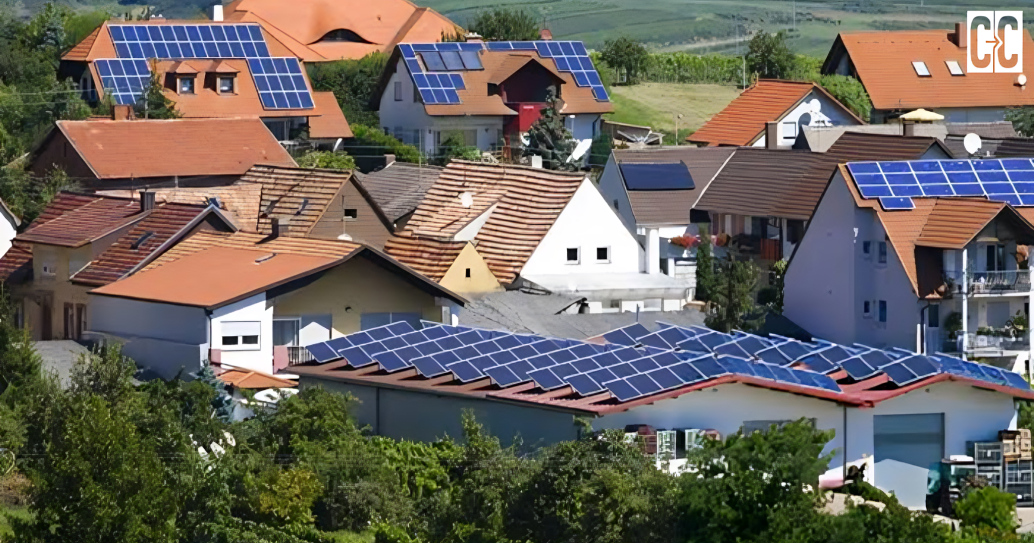
This is why India’s clean energy transition should increasingly centre around expanding renewable energy-based electricity systems to achieve its both green and growth ambition – and India is on the right path. Cross-country empirical analyses show that electricity availability functions as a necessary precondition for faster economic growth. In India, solar and wind are now among the cheapest sources of electricity. Massive investments are underway in transmission corridors, battery storage, and long-duration storage systems. Indian Railways is nearing full electrification. Electric mobility adoption is accelerating. Distributed solar for agriculture is growing. These are not isolated initiatives; they are part of a coherent architecture aimed at increasing electricity’s role in final energy consumption.
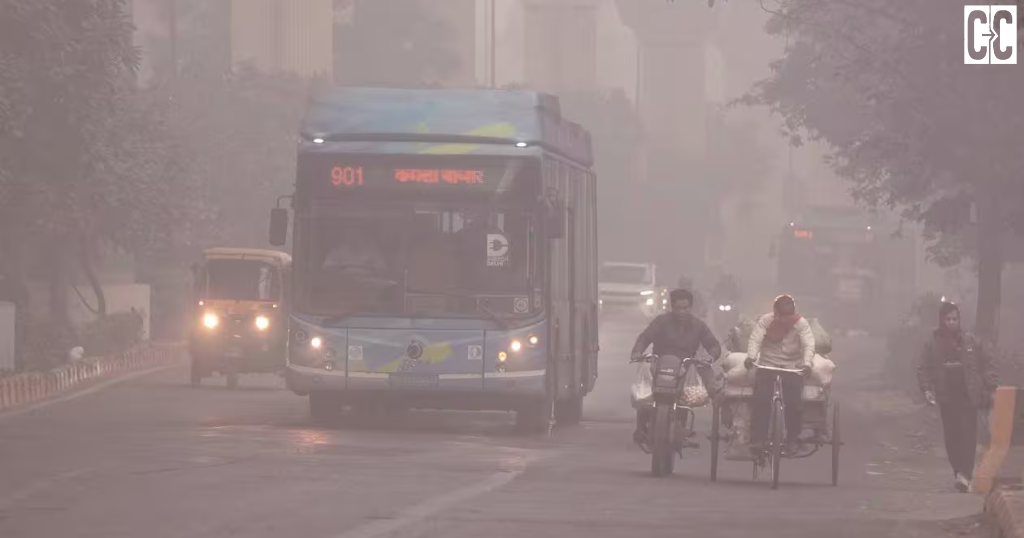
And importantly, this approach is environmentally sensible beyond carbon metrics alone. Direct electrification reduces local air pollution, lowers dependence on imported fossil fuels thereby increasing energy security, and avoids locking countries into energy-intensive fuel conversion chains. In urban India, where air quality remains a public health emergency, electrification ensures there are no tailpipe emissions and, therefore, is a climate intervention and a health imperative packaged in one.
At the same time, we should also recognise that not every sector can be electrified efficiently, and that molecules will matter for hard-to-abate sectors and long-haul transportation, such as steelmaking, fertiliser production, long-haul freight, shipping, and aviation. This is where green hydrogen, advanced biofuels, and synthetic fuels will come into play as targeted solutions. For instance, using green hydrogen in passenger vehicles would require significantly more electricity per kilometre than battery-electric alternatives. But in steelmaking, especially through direct reduced iron pathways, hydrogen offers one of the few viable decarbonisation routes. Similarly, biofuels produced from agricultural residues can help decarbonise aviation and heavy transport while also addressing challenges of crop residue burning and rural waste management. This layered strategy can reflect an important maturity in India’s climate thinking. The transition should move beyond a battle between technologies to an exercise in better optimisation.
Of course, none of this is effortless. Biomass feedstock aggregation remains difficult. Storage and grid integration have challenges. Financing gaps persist. Technology access and costs remain volatile. And here the most underappreciated aspect of India’s updated NDCs is that they acknowledge these constraints rather than pretending they do not exist. That realism is precisely what makes the India’s commitments credible. This becomes even more significant when viewed against the backdrop of recent global disruptions. The COVID-19 pandemic, the Russia– Ukraine conflict, and ongoing instability in West Asia have collectively exposed the fragility of global energy systems. For India, which imports nearly 85% of its crude oil and around half of its natural gas requirements, such shocks translate directly into inflationary pressures, fiscal stress, and energy insecurity. Yet despite these pressures, India has not diluted its climate commitments. If anything, it has strengthened them.
This stands in contrast to several developed economies that are deciding to reopen their coal plants, delayed phase-out commitments, struggled to meet their own climate finance promises or have even backed out completely. India’s approach has instead focused on balancing four competing priorities simultaneously: expanding energy access, ensuring affordability, maintaining energy security, and reducing carbon emissions. And perhaps that is the broader lesson India offers the world this World Environment Day. In evelopingcountries, environmentalism and energy transitions need to be carefully balanced and sequenced. Electrification should happen first where it delivers the greatest gains. Alternatively, molecules should be deployed where direct electrification is unviable. Climate action must reduce vulnerability, not deepen it. India’s updated NDCs represent a transition strategy that is designed to endure.
About Author:
Dr Akanksha Jain is a Research Consultant, and Dr Debajit Palit is the Centre Head at the Centre for Climate Change and Energy Transition in Chintan Research Foundation. Views expressed are personal.
Clear Cut Climate Desk
New Delhi, UPDATED: July 08, 2026 09:00 IST
Written By: Akanksha Jain, Debajit Palit