

- India recorded 2,878 child victims of human trafficking in 2022, but many missing children are never officially identified as trafficking victims, highlighting significant gaps in detection and reporting.
- Poverty, migration, gender inequality, and weak enforcement continue to fuel child trafficking, while delays in investigations and trials limit justice for victims.
- Strengthening prevention, improving child protection systems, enhancing documentation, and ensuring faster legal action are essential to reduce child trafficking and protect vulnerable children.
In 2022, as per the National Crime Records Bureau, there were 2,878 children who were victims of human trafficking in India; however, several ministries at the Union level have stated in Parliament that there are thousands of children who go missing every year, but none of them are ever traced to the crime of human trafficking. This crime can be defined through its paradoxical nature – while being registered, it remains largely unseen.
What Child Trafficking Actually Is
According to India’s and international laws, trafficking is different from disappearance, kidnapping, and even the use of a child labor. This is because it involves three components: acts which include recruitment, transportation or harboring, means which include threat, deception or abuse of power and purposes which include exploitation. In case the victim is a child, then according to international conventions like the UN Trafficking Protocol, there is no need to have a “means” in the definition of trafficking – that is, recruitment of a child with intent to exploit is considered trafficking irrespective of whether the child was deceived or not.
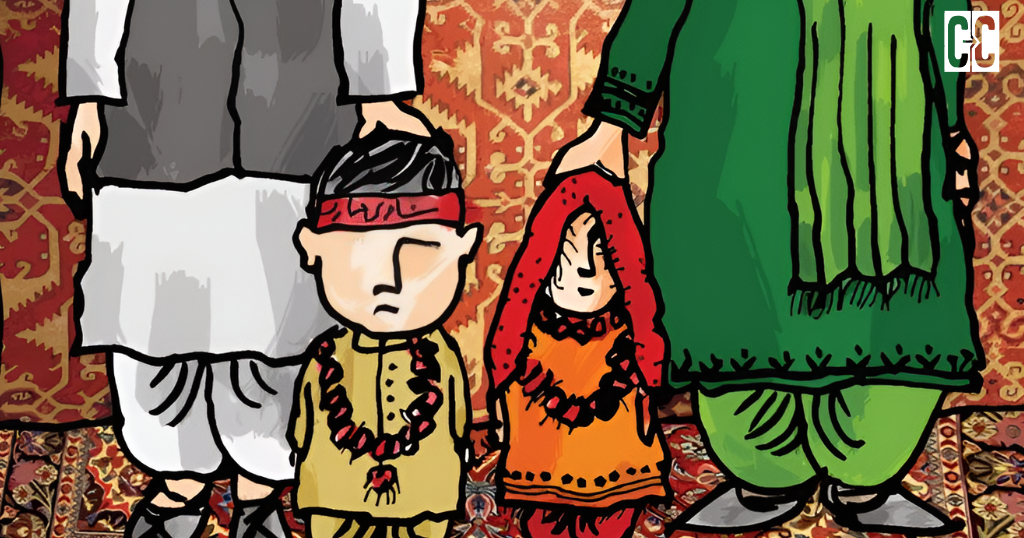
This is important to consider, since trafficking, child labor, child marriage, child begging, and child abduction tend to be used interchangeably when talking about this problem. However, all of these are separate crimes, and just because a child is missing does not mean that he or she was necessarily trafficked.
The Current Picture
As per the NCRB’s Crime in India 2022 – which is the latest edition – 2,250 human trafficking cases were registered nationally, a 2.8% rise over the 2,189 cases recorded in 2021. Of the 6,036 total victims identified that year, 2,878 were children. Government data placed in Parliament by the Ministry of Home Affairs shows that the number of child victims rescued has fluctuated rather than trended consistently upward: 2,484 in 2018, 2,746 in 2019, 2,151 in 2020, 2,691 in 2021, and 3,098 in 2022.
This was not due to an increase or decrease in the crime but rather to the variations in reporting and enforcement of the law between the different states. Children who come from economically disadvantaged homes are at higher risk of being abused because the crime is premised on the victim’s prior vulnerability.
Why It Persists: Structural Drivers
There is little chance of trafficking being the result of the activities of any one predator because it thrives on structural factors. Poverty and the practice of seasonal migration for employment purposes compel poor parents to place their children under the care of middlemen who promise employment. Gender discrimination and dropping out from school make girls susceptible to trafficking for marriage and labour. As policing is an issue under the jurisdiction of the states, there are great variations in terms of enforcement capacities, as admitted by the Home Ministry in its parliamentary answers. Poor birth registration, insufficient social protection in high out-migration districts, and unregulated recruitment via online mediums make up these disparities.
Institutional Response: Progress and Gaps
The institutions in India have a good structure on paper. For instance, the Juvenile Justice (Care and Protection of Children) Act, 2015 describes “children in need of care and protection” and establishes the Child Welfare Committees in each district. Furthermore, the Ministry of Women and Child Development runs the TrackChild website and the Khoya-Paya service within it to find the connections between missing children and those found. Also, the Childline toll-free number 1098 is provided in combination with the Emergency Response Support System-112, which was stated in parliament in March 2026.
But there is disparity between intention and implementation. Data from NCRB has shown in the past that, despite police filing of chargesheets in most of the registered cases, there is much lesser number of convictions as it takes long to conduct trials and present evidence in cases where child is the witness. Special courts dealing with child sexual offenses have also shown many pending cases.
Underreporting also occurs structurally because victims and their families may be afraid of the repercussions or of losing the one source of income that the arrangement promised, and there could be problems of jurisdictional loopholes when crossing state lines.
Looking Ahead
Closing this gap will require less emphasis on rescue alone and more on prevention — strengthening school retention, rural livelihood security, and birth and migration documentation — alongside faster trials, better-resourced Child Welfare Committees, and sustained community vigilance. None of this eliminates the crime overnight, but each measure narrows the space in which traffickers currently operate undetected
Clear Cut Child Protection Desk
New Delhi, UPDATED: July 07, 2026 02:30 IST
Written By: Dr. Jyoti Aggarwal
Designation: Senior Research Associate at Devinsights