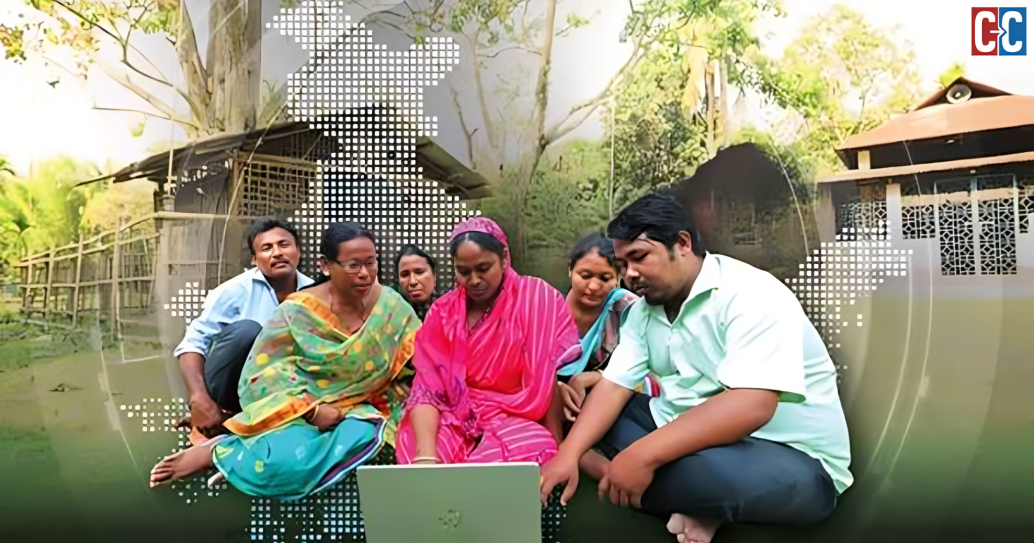
- The article highlights how the Brahmaputra Volleyball League in Assam is using grassroots sports to empower rural youth, especially girls, through education, confidence, and community development.
- It notes that while CSR funding for sports in India has grown, grassroots sports still receive a very small share of overall corporate social responsibility spending.
- The article concludes that sustained investment in grassroots sports can create lasting social impact by promoting gender equality, opportunity, and overall community development.
Sport in India is now transforming from solely an entertainment activity to an actual instrument for social development. From the upliftment of women to the enhancement of local relations, sports at the local level increasingly demonstrate how they lead to education, build self-confidence, and help individuals climb the socio-economic ladder. Let us take the example of the Brahmaputra Volleyball League in Assam. Grassroots sport programs can achieve significant positive change.
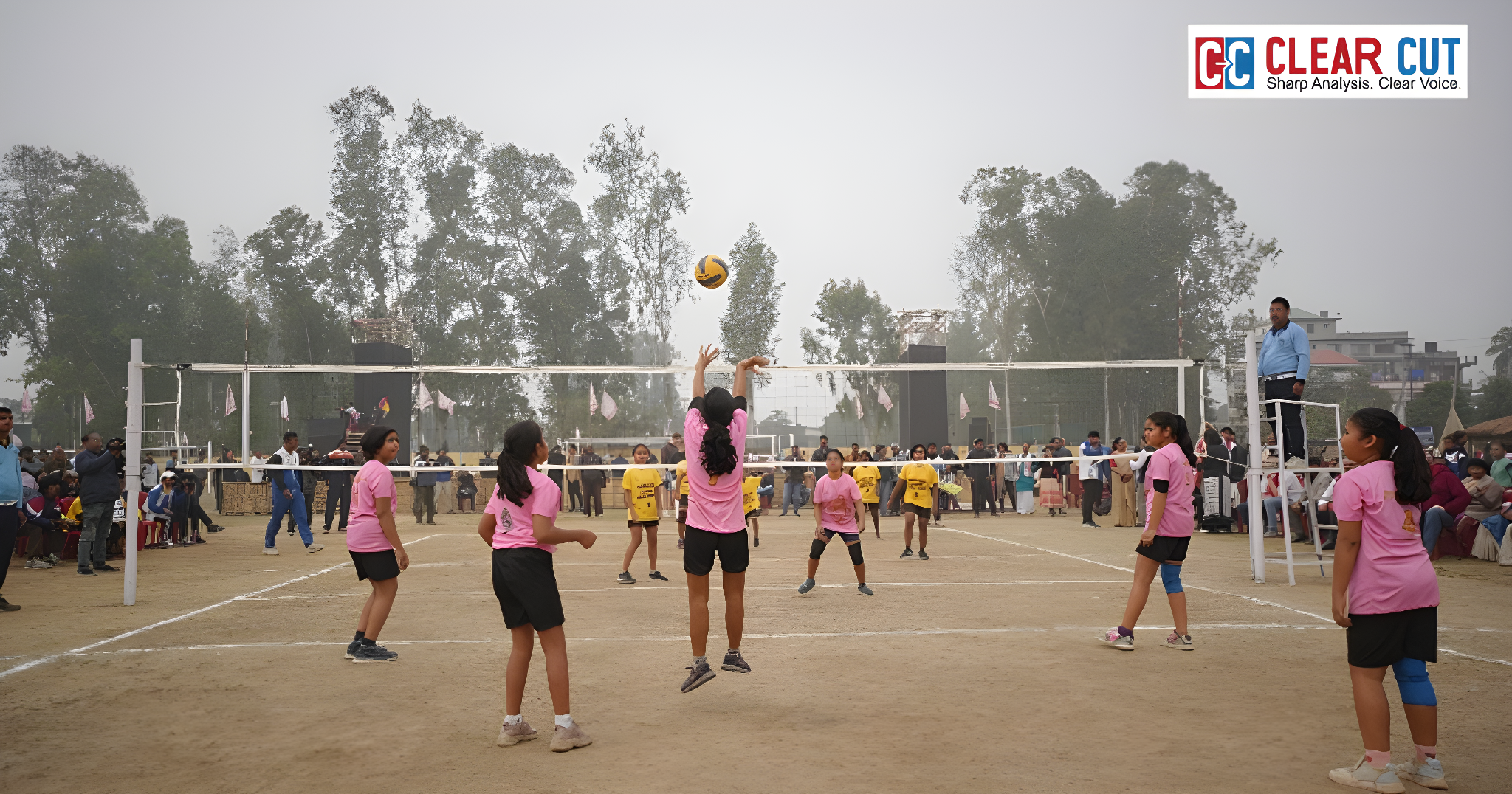
The League is bringing village sports to a wider audience – estimated to involve tens of thousands of boys and girls. Former Indian Volleyball captain, Abhijit Bhattacharya, has received an award from the IOC for his role in creating this grassroots landscape. His success story shows what local sport can achieve. One of the great aspects of this story is what it can do for girls in rural India. India Today- Abhijit Bhattacharya
The News Mill reported that the Brahmaputra League is helping to address inequality by opening up sports for the girl child. In villages across rural Assam, where girls face discrimination and have had difficulty entering sport, this local project is proving to be a pathway not only to sport but also to broader society.
The bigger picture in India’s sports space is also evolving. As the CSR and Sports Report points out, ‘training to promote sport’ was as high as 526 crores in 2022-23 (an 80 percent year-on-year increase and a nearly ten-fold increase compared to 2014-15). Even so, only around 1.8 percent of all CSR outlay went towards sport, a testament to how, while sports can become an attractive proposition, grassroots development remains severely underfunded. It is important because the benefits of sport-for-development programs extend far beyond developing athletes. They foster gender equality, teamwork, discipline, mental well-being, and a sense of community. As sports development experts maintain, maximum social gains emerge when sport is viewed not as a short-term event but as a tool for sustained development.
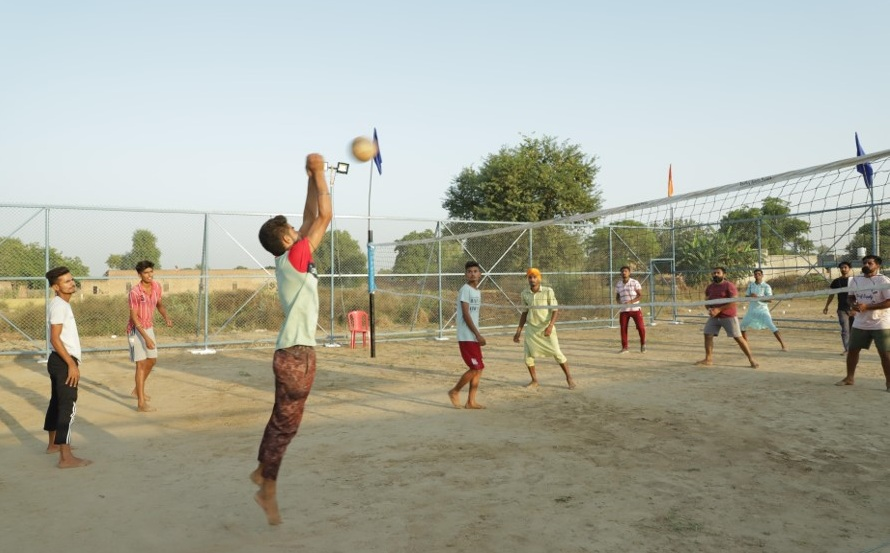
Why Grassroots Volleyball Matters in Assam
Because of its distinct population groups and the challenging geographical terrain of the Brahmaputra valley, the region of Assam presents a unique set of opportunities and challenges for sports development. Villages in remote regions have difficulty connecting to the outside world due to flooding and underdeveloped roads. Volleyball, being inexpensive and suited to open fields, fits well into the local circumstances. BVL used this fact to schedule competitions between villages located quite far apart, thus allowing interactions between different ethnic groups and helping maintain peace among communities.
After playing volleyball, children said their grades increased, that they developed bigger hopes, and their overall health and mental state improved. For many of the girls, this has meant postponed marriages, continued education, and increased familial backing. Now, the trainers and volunteers trained through the BVL initiative are expanding their influence even further by opening local sports clubs. The events that have taken place in Assam regarding the popularization of volleyball echo the desired influence of sport on society: most of these achievements were achieved on school grounds, dusty roads, and in communities, not on sports arenas or stadiums.
This experience empowers children, helps them develop resilience to failure, and, above all, opens wide horizons of opportunity.
The Longer Goal
To replicate these successes across the country, deeper public-private partnerships with the government, CSR funders, NGOs, and sports federations are a must. Businesses can come in by funding infrastructure, coaching the trainers, distributing equipment, and setting up robust monitoring & evaluation mechanisms to understand the social return on investment, beyond match points. Abhijit Bhattacharya, once a national captain and now an on-the-ground activist, personifies this. His work is a testament to the fact that with vision, intent, and local buy-in, sport can be a vehicle for social change.
As India charts a course towards becoming a global sporting powerhouse, we cannot afford to ignore grassroots initiatives such as the Brahmaputra Volleyball League, where we have toiled to leave no talent behind or untapped and to make sport a vehicle for inclusion.
The story of Assam volleyball, in a sense, mirrors the best description of how sport impacts society in India: that in the best case, sport’s biggest victories will not be on the scoreboard, but in a classroom, on a field, a compound, and in the dust of a village, which builds children’s self-confidence and offers opportunity.
Clear Cut CSR Desk
New Delhi, UPDATED: July 09, 2026 16:30 IST
Written By: Clear Cut Team