
The Ahmedabad Municipal Corporation has approved 33% reservation for women in future recruitments, marking a major step toward gender equity, inclusive governance, and institutional reform in urban administration.
The decision of the Ahmedabad Municipal Corporation to approve a thirty three percent reservation for women in all future recruitments marks a significant milestone in the city’s journey towards inclusive and equitable urban governance. At a time when urban local bodies are increasingly recognised as the primary interface between citizens and the state, this policy reflects a deliberate effort to ensure that women are not only recipients of civic services but also active participants in shaping and delivering them.
Urban employment within municipal administrations has historically remained male dominated, particularly in technical, supervisory, and decision making roles. Although women’s reservation in elected municipal bodies has been in place for several years, extending this principle to regular recruitment across departments signals a deeper institutional commitment to gender equity. By reserving one third of future positions for women, the civic body has taken a structural step towards correcting long standing imbalances within its workforce.

Why the Decision Matters
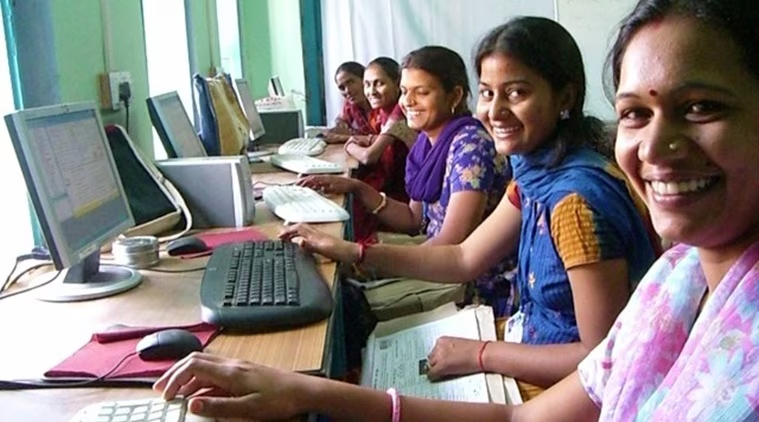
For many women, especially those from economically weaker and socially marginalised backgrounds, public sector employment represents stability, dignity, and long term security. Municipal jobs provide not only regular income but also social recognition and opportunities for professional growth. The decision taken by the Ahmedabad Municipal Corporation expands access to employment for women across educational and skill levels, including administrative, clerical, technical, health, and field based roles.
Policy Context and Implementation
The reservation policy will apply to all forthcoming recruitment processes under the Ahmedabad Municipal Corporation, with clear inclusion in job notifications to ensure transparency and compliance. This step aligns with existing provisions at the state level that permit reservation for women in government recruitment and formalises their application within municipal administration.
The approval of this policy alongside other development initiatives reflects an understanding that gender equity is not a standalone social measure but a core component of sustainable urban development. Embedding reservation within recruitment rules ensures that the policy moves beyond intent and becomes operational, creating the foundation for measurable and lasting change.
Beyond Numbers and the Role of Evidence
While the policy itself is progressive, its long term success will depend on the quality of implementation and monitoring. Reservation alone does not automatically translate into empowerment unless supported by enabling workplace environments, equitable promotion pathways, and institutional cultures that value inclusion.
This underscores the importance of rigorous evidence generation. Systematic monitoring and evaluation can assess whether reserved positions are filled as intended, whether women are retained and supported in their roles, and how increased representation influences service delivery outcomes. Evidence based insights allow institutions to refine recruitment strategies, training systems, and human resource policies using real world data rather than assumptions.
Strengthening Accountability and Learning
For a large urban institution like the Ahmedabad Municipal Corporation, accountability extends beyond internal administration to the citizens it serves. Transparent documentation of progress, learning from implementation challenges, and sharing best practices can strengthen public trust and institutional credibility. Evidence informed decision making at leadership levels ensures that gender focused policies contribute meaningfully to broader social and developmental goals.
In this process, organisations engaged in research, monitoring, and evaluation play a critical role. By conducting baseline, midline, and endline assessments and translating findings into actionable recommendations, such efforts help civic bodies move beyond procedural compliance towards continuous learning and improvement.
Potential Ripple Effects
The implications of this decision extend well beyond Ahmedabad. As one of the country’s largest and most visible municipal corporations, the Ahmedabad Municipal Corporation often serves as a reference point for other urban local bodies. Effective implementation of women’s reservation in recruitment has the potential to inspire similar reforms across cities seeking to build more inclusive and representative public institutions.
For young women aspiring to careers in public service, the policy also carries strong symbolic value. Visible representation of women across municipal roles, from offices to field operations, can challenge entrenched gender norms and encourage greater participation in civic life.
Looking Ahead
The approval of women’s reservation in municipal recruitments represents a decisive step towards reimagining urban governance through the lens of equity and inclusion. Its true impact will unfold over time, shaped by sustained institutional commitment, supportive systems, and a willingness to learn and adapt.
As Ahmedabad continues to grow and evolve, a more diverse civic workforce has the potential to transform not only organisational culture but also the everyday experiences of citizens. When representation is combined with evidence, accountability, and vision, policy decisions can move beyond paper commitments and become catalysts for long term social transformation, shaping cities that are efficient, inclusive, and responsive to all.
Clear Cut Genter, Research Desk
New Delhi, UPDATED: Feb 15, 2026 06:00 IST
Written By: Ruchira Das