

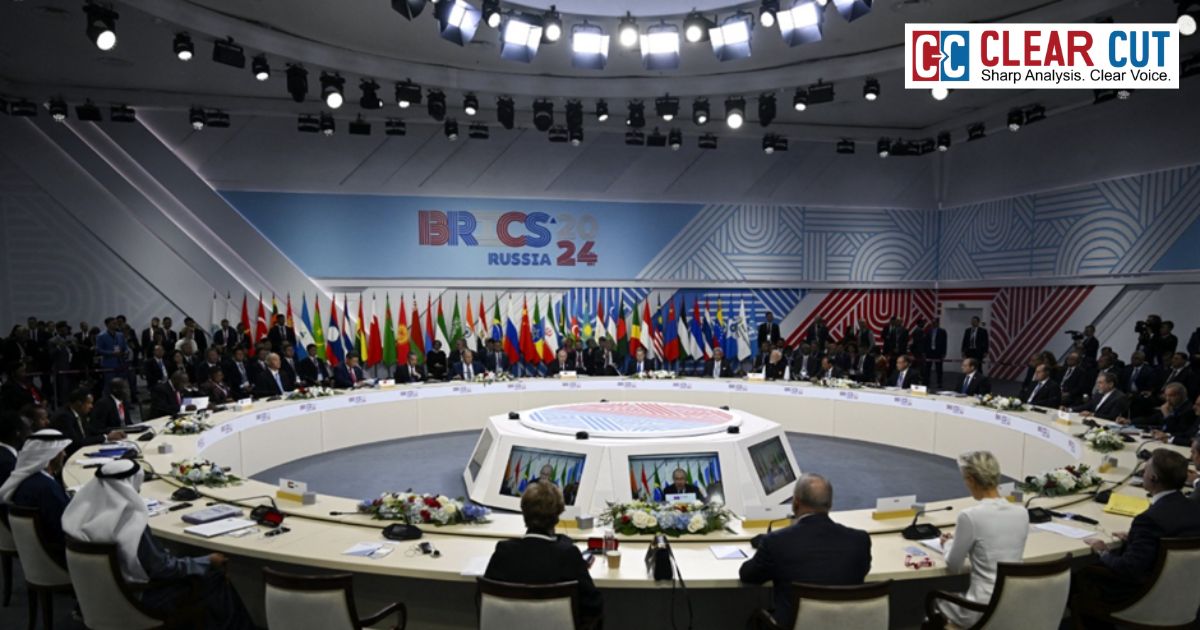
India’s central bank has put forward a major proposal to connect digital currencies of BRICS nations. The idea aims to make cross-border trade and tourism payments simpler and cheaper. This could reduce reliance on the U.S. dollar and support smoother financial flows among the group.
The Reserve Bank of India (RBI) has recommended that this proposal be added to the agenda for the 2026 BRICS summit, which India will host. If accepted, it would be the first formal attempt to interconnect the central bank digital currencies (CBDCs) of Brazil, Russia, India, China and South Africa.
RBI Deputy Governor T. Rabi Sankar has addressed digital currencies publicly before. He said CBDCs “do not pose many of the risks associated with stable coins.” He added that digital currencies can be safer, more regulated and help maintain monetary stability.
Leaders Speak on BRICS Cooperation and Currency Matters
Brazil’s President Luiz Inácio Lula da Silva has emphasised deeper economic cooperation within BRICS. He previously said stronger financial ties will help members withstand global shocks and reinforce trade. His comments underscore why India’s proposal carries strategic weight.
Russian officials have maintained that BRICS is not meant to oppose any country. Russian Deputy Foreign Minister Sergei Ryabkov said the group will not respond positively to threats or manipulations, reflecting a desire for stability and dialogue in financial cooperation.
At a previous BRICS summit, Russian President Vladimir Putin said the era of liberal globalisation is changing. He noted that emerging markets should enhance use of their own currencies for trade, hinting at broader support for currency innovation among member states.
Economic Views Within BRICS on Currency and Dollar Dominance
Not all BRICS leaders see a shared digital currency as replacing the dollar. The Central Bank of Brazil’s monetary policy director Nilton David said there is no realistic prospect of BRICS creating financial markets large enough to rival the dollar over the next decade. He noted that while alternative settlement tools might help trade, they are unlikely to dislodge the U.S. currency soon.
Still, BRICS members have repeatedly called for more use of national currencies in trade. Brazilian officials have said the focus is on making international payments smoother without aiming at any specific nation. They also stress adopting new technologies like blockchain to cut costs.
Why Linking CBDCs Matters?
Central bank digital currencies are digital forms of national money issued by central banks. India’s e-rupee, for example, is a digital rupee issued and regulated by the RBI. It has seen growing adoption since its launch and offers features like programmability and offline payment options.
All five core BRICS members are running pilot projects for their CBDCs. China is expanding international use of its digital yuan, and India has seven million users of its digital currency. Linking these systems could reduce friction in trade finance and tourism payments.
Analysts say the proposal still faces challenges. Members use different technology platforms, and agreement on governance and technical standards will be essential. Discussions may include foreign exchange swap arrangements to manage trade imbalances.
Looking Ahead to the 2026 BRICS Summit
The 2026 BRICS summit could be a key moment for advancing digital currency cooperation. If leaders accept India’s recommendation, working groups could start defining technical and policy steps toward linking digital money systems among member states.
As global financial systems evolve, this initiative could deepen economic ties among BRICS members and lay foundations for future innovation in cross-border payments.
Clear Cut Research Desk
New Delhi, UPDATED: Jan 20, 2026 01:10 IST
Written By: Ayushman Meena