

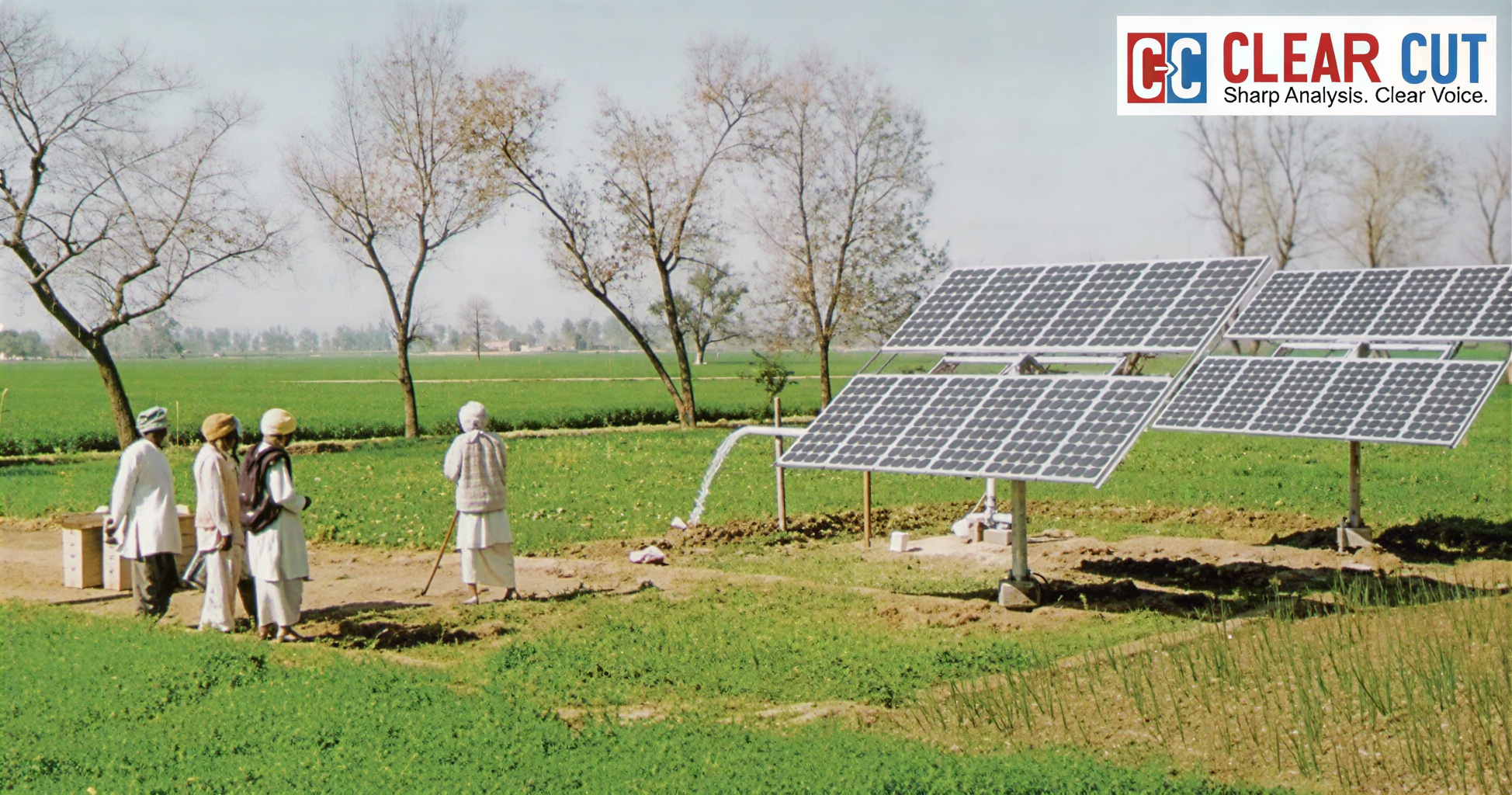
Innovation, agri-tech and renewable energy are transforming agriculture in rural India by improving productivity and market access for farmers. Experts say combining modern technology with traditional knowledge can strengthen rural economies and support sustainable development.
India’s rural economy is entering a new phase of transformation as innovation, renewable energy and modern agricultural technologies begin to reshape farming systems and rural livelihoods. Policymakers, experts and industry leaders increasingly view agriculture not only as a food production sector but as a driver of sustainable economic growth and rural development.
Experts say that combining traditional agricultural knowledge with modern technologies could significantly increase farmer incomes while strengthening India’s push toward becoming a developed economy by 2047.
Rural Economy Shows Signs of Resurgence
Recent assessments indicate that India’s rural economy is showing signs of revival. Surveys tracking rural economic conditions suggest growing optimism among farmers and rural households. However, structural challenges such as fragmented landholdings, limited market access and productivity gaps continue to affect long-term agricultural growth.
Agriculture remains central to rural livelihoods. A large share of rural households still depend on farming and allied activities for income and employment. Analysts say that improving productivity and strengthening value chains will be essential to ensure sustainable rural prosperity.
Experts argue that the future of agriculture will depend on how effectively innovation, finance and technology are integrated into the sector.
Technology and Agri-Tech Transforming Farming
Agricultural innovation is rapidly changing how farmers produce, process and sell crops. Technologies such as precision farming tools, satellite data, digital platforms and artificial intelligence are enabling farmers to make more informed decisions about irrigation, fertilizers and crop management.
Digital initiatives like ITC’s e-Choupal platform demonstrate how technology can connect farmers directly with markets and provide real-time information on weather and prices. The platform operates in thousands of villages and has improved transparency in agricultural supply chains.
Experts believe the expansion of agri-tech startups and digital marketplaces could help bridge productivity gaps and reduce inefficiencies in the agricultural ecosystem. By improving market access and reducing reliance on intermediaries, these technologies can increase farmers’ earnings and reduce post-harvest losses.
Renewable Energy Emerging as a Key Enabler
Renewable energy is becoming a major component of agricultural transformation. Solar irrigation pumps, agrivoltaics and bioenergy systems are helping farmers reduce costs while improving environmental sustainability.
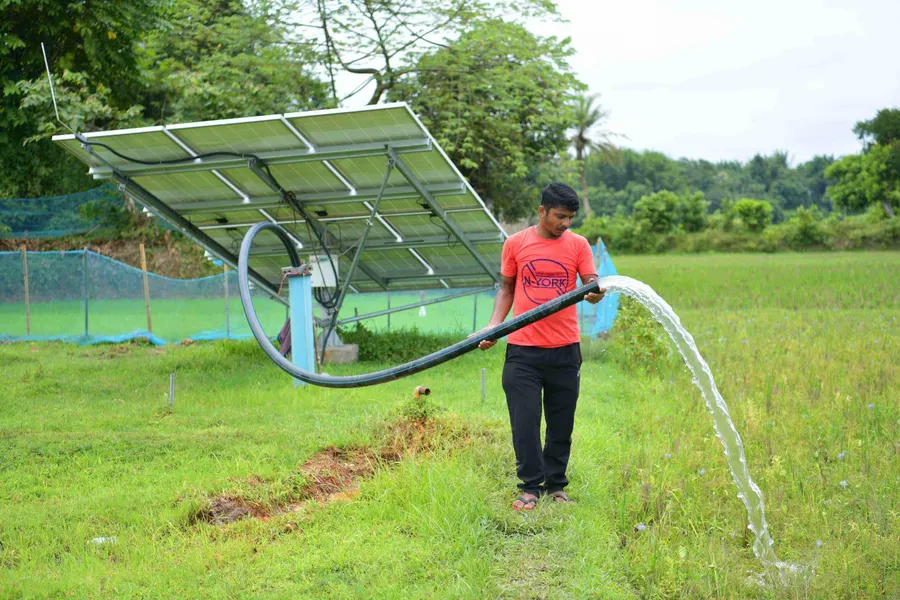
The Pradhan Mantri KUSUM scheme, launched by the Government of India, aims to promote solar energy in agriculture by supporting farmers to install solar irrigation pumps and generate additional income from solar power. The programme also seeks to reduce diesel use and strengthen water and energy security in rural areas.
Experts say renewable energy solutions could play a key role in lowering production costs and making agriculture more climate-resilient.
Integrating Traditional Knowledge with Modern Systems
While modern technologies are transforming agriculture, experts emphasise the importance of integrating them with indigenous technical knowledge developed by farming communities over generations.
Traditional farming practices often contain valuable insights on soil health, crop diversity and water conservation. Combining these practices with modern innovations can help create sustainable farming systems that preserve biodiversity while improving productivity.
Agricultural scientists also point to climate-smart farming methods such as agroforestry, which integrates trees with crops and livestock to improve soil fertility and environmental sustainability.
Such approaches can help address key challenges including soil degradation, climate change and declining water availability.
Policy Support Crucial for Agricultural Transformation
Government policies and investments will play a crucial role in shaping the future of rural agriculture. Experts suggest that increased funding for research, agri-infrastructure and farmer-producer organisations will help accelerate innovation in the sector.
Policy discussions around agricultural reforms increasingly focus on shifting from welfare-based support toward empowering farmers as entrepreneurs and value-chain participants. Strengthening rural infrastructure, improving credit access and promoting agribusiness startups are considered key priorities for long-term growth.
Leaders have also emphasised the need to align agricultural policies with India’s broader development vision. Prime Minister Narendra Modi recently highlighted the importance of reforms and innovation in agriculture during discussions on rural transformation and farm sector development.
Towards a Future-Ready Rural Economy
Experts believe that innovation driven agriculture can play a central role in advancing India’s broader development ambitions. With the integration of modern technology, renewable energy and supportive policy frameworks, rural India has the potential to evolve into a vibrant centre of sustainable economic growth.
Such a transformation in agriculture could also open new avenues for employment across the food value chain, including food processing, logistics and digital services. This shift is expected to strengthen rural economies, create new livelihood opportunities and enhance resilience within farming communities.
As India moves forward toward the vision of Viksit Bharat 2047, the agricultural sector is likely to remain a cornerstone of inclusive and sustainable development. Guided by innovation and clean energy, agriculture could shape the next phase of rural transformation while reinforcing food security and long term prosperity.
Clear Cut Livelihood, Climate Desk
New Delhi, UPDATED: March 16, 2026 05:00 IST
Written By: Ayushman Meena