Delhi plans to make leprosy a notifiable disease to improve surveillance, uncover hidden cases, and stop transmission. Despite being declared eliminated, rising cases and child infections show the disease still persists and needs urgent attention.
Even though some diseases are not the deadliest, governments keep a careful eye on them by mandating that all cases be formally recorded. These are referred to as notifiable diseases. Reporting is the first step in taking public health action; it is not merely a formality. Surveillance cannot exist without reporting, and prompt action is impossible without surveillance. Furthermore, a treatable condition may worsen into a larger crisis if action is not taken quickly. Delhi is currently working to include leprosy in this system, and the argument for doing so is more compelling than the title implies.
The Delhi Health Department has suggested that leprosy be added to the list of disorders that must be reported under the Delhi Epidemic disorders Act under Chief Minister Rekha Gupta. If authorized, each new case must be reported to the District Leprosy Officer by all healthcare providers in the capital, including private clinics, government hospitals, and independent practitioners. Delhi would follow West Bengal, Tamil Nadu, Maharashtra, and Karnataka in doing so.
Why The Numbers Still Matter
In 2005, leprosy was deemed “eliminated as a public health problem” in India. However, eradication did not result in the disease’s disappearance. It meant that attention was diverted in numerous directions, and from a health standpoint, this loss of focus has obvious consequences.
Leprosy “still occurs in more than 120 countries, with around 2,00,000 new cases reported every year,” according to the WHO. New case detections increased by 5% between 2022 and 2023, reaching 1,82,815 cases globally, according to the WHO’s Weekly Epidemiological Record (WER). The total was 1,72,717 in 2024, which is still a very high figure. Because private-sector reporting is sometimes lacking, health experts caution that this may be an underestimate. Most of the worldwide burden is shared by Brazil, Indonesia, and India, with India alone accounting for over 59% of new cases. The illness persisted. It attracted attention.
The persistence of leprosy is not coincidental. Close, frequent contact is how it spreads, particularly in crowded, poorly ventilated homes. Communities that are already economically marginalized are more vulnerable to these threats. People afflicted “tend to be among the most vulnerable and marginalized members of society,” according to the WHO’s World Leprosy Day 2026 message, and the disease is still “a problem of inequality and structural discrimination.” Because of this, the response cannot be solely medical. The factors that permit transmission must also be addressed.
State Hotspots: Elimination Vs Reality
The national average masks the more severe problem in certain states and districts. Two decades after India achieved national “elimination” status, only 31 of 36 states and union territories have fewer than one case per 10,000 people. Of the 759 districts, 129 still don’t. States with considerable tribal and other marginalized populations, like as Chhattisgarh, Jharkhand, and Odisha, continue to record prevalence levels that above the norm.
Delhi demonstrates why notification remains important even after “elimination.” PMC research has identified Delhi as one of the states/UTs that achieved early elimination but then had a reversal, with prevalence reaching above 1 per 10,000 once more. This is more than just a low-burden area that requires extra safeguards. It is a densely populated city, and some cases may go unreported.
Why Child Cases Are a Red Flag
In public health, incidents in youngsters serve as a warning indicator. The WHO regards kid detection rates as an important sign of continued transmission in a community. The argument is straightforward: children are unlikely to remember exposures from long ago. When a child is diagnosed today, it shows that the bacterium is currently circulating in the household or area.
In January 2023, the UN Special Rapporteur on Leprosy Discrimination stated that “under-detection leads to an increase in the rate of transmission and number of new cases among children.” In 2023, children accounted for 5.7% of new leprosy cases globally. In 2024, the WHO’s Global Leprosy Update reported 9,397 new child cases, with 289 already diagnosed with Grade 2 impairment, which is evident, irreversible deformity at the time of detection. The WHO Goodwill Ambassador’s World Leprosy Day 2026 message states that child and Grade 2 disability cases together “indicate ongoing transmission within the community and delayed diagnosis.”
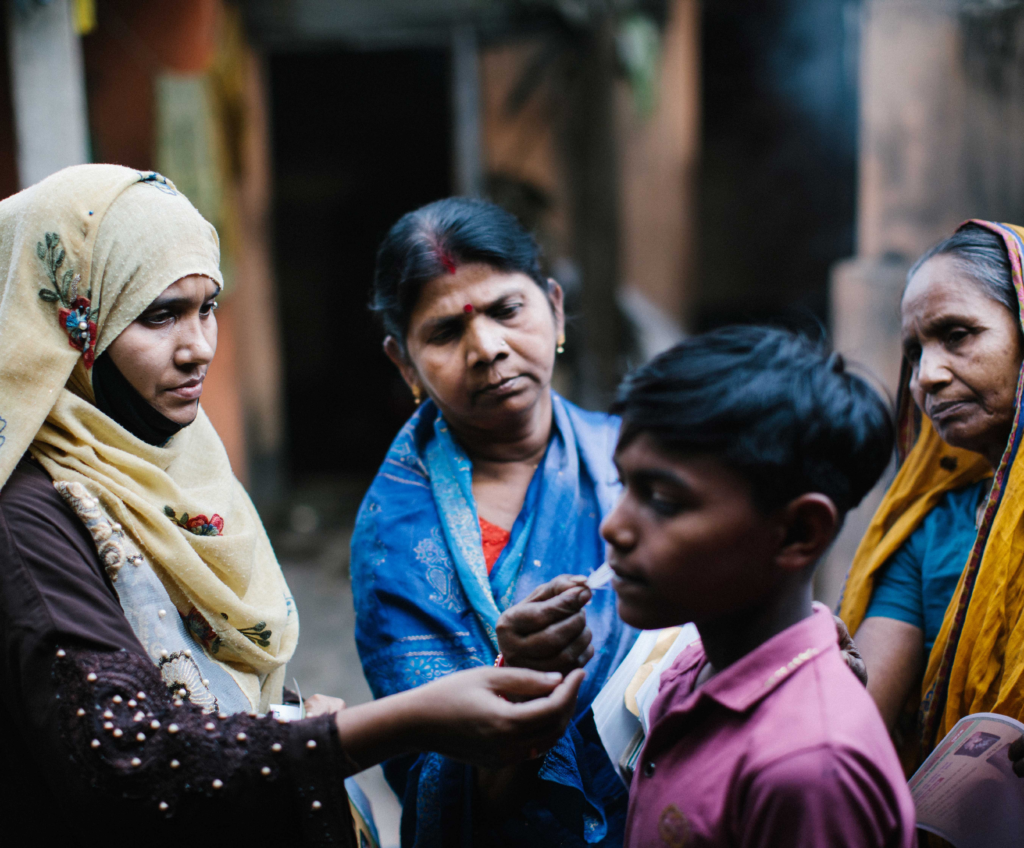
When a youngster enters a clinic with an irreversible handicap, it represents years of squandered chances. While the condition advanced uncontrolled, the youngster attended school, lived at home, and participated in community activities. Others may have been exposed at the same time. This is what weak surveillance looks like when it is exposed.
In India, eleven states report kid cases accounting for more than 10% of new detections. States like as Tamil Nadu, Punjab, Bihar, Mizoram, and Arunachal Pradesh have rates ranging from 14% to 23%. These data are a clear reflection of how well early detection is working—and in many cases, it is not working well enough.
Dr. Pankaj Kumar Singh, the Health Minister, stated that making leprosy notifiable “will help us find hidden cases, stop transmission, and ensure every patient gets standard treatment with dignity.” The strategy addresses a well-known gap: pan-India research discovered that 44.1% of leprosy patients are treated in private clinics and never reported to the National Leprosy Eradication Programme. These are “hidden” cases. When they are not reported, contacts are not traced, post-exposure prophylaxis is not administered, and transmission might continue undetected.
Mandatory notification helps to reduce the gap by demanding reporting from the private sector as well. Multi-Drug Therapy (MDT), a proven cure for leprosy, is already free of charge in government hospitals. The issue hasn’t been a lack of treatment. It has been able to identify patients early on, before the condition causes nerve damage, deformity, and irreversible loss of livelihood.
The WHO’s Global Leprosy Strategy 2021-2030 has specific goals: a 70% reduction in annual new cases, a 90% reduction in Grade 2 impairment, and 120 countries achieving zero new indigenous cases by 2030. The approach also highlights a fundamental impediment: little participation from the corporate sector. Delhi’s solution immediately addresses the issue by adding additional cases to the surveillance system.
India’s goal is to eliminate leprosy transmission by 2027, three years before the SDG 3.3 target. Hitting that aim will necessitate speed and accountability, which begins with knowing where the cases are.
Clear Cut Health Desk
New Delhi, UPDATED: May 04, 2026 03:00 IST
Written By: Muskan Pal